
Ručno i automatsko ravnanje nisu oznake kvaliteta. Bilo koja ruta može biti neprikladna kada je referentna točka obratka, metoda mjerenja, kontaktne zone, pravilo prihvatanja ili proces rukovanja je nedefinisan. Korisno pitanje je koji koraci trebaju ponovljivu kontrolu za definiranu familiju dijelova—a koji koraci još uvijek zahtijevaju kvalifikovano podešavanje, inženjersko odobrenje ili potvrda kupca.
Ovaj vodič je okvir za odabir, nije tvrdnja da StraighteningTech isporučuje određenu konfiguraciju automatizacije ili da automatizacija garantuje tačnost, vrijeme ciklusa, smanjenje radne snage ili ROI. Ti rezultati zahtijevaju provjereni opseg opreme i reprezentativne dokaze o proizvodnji.
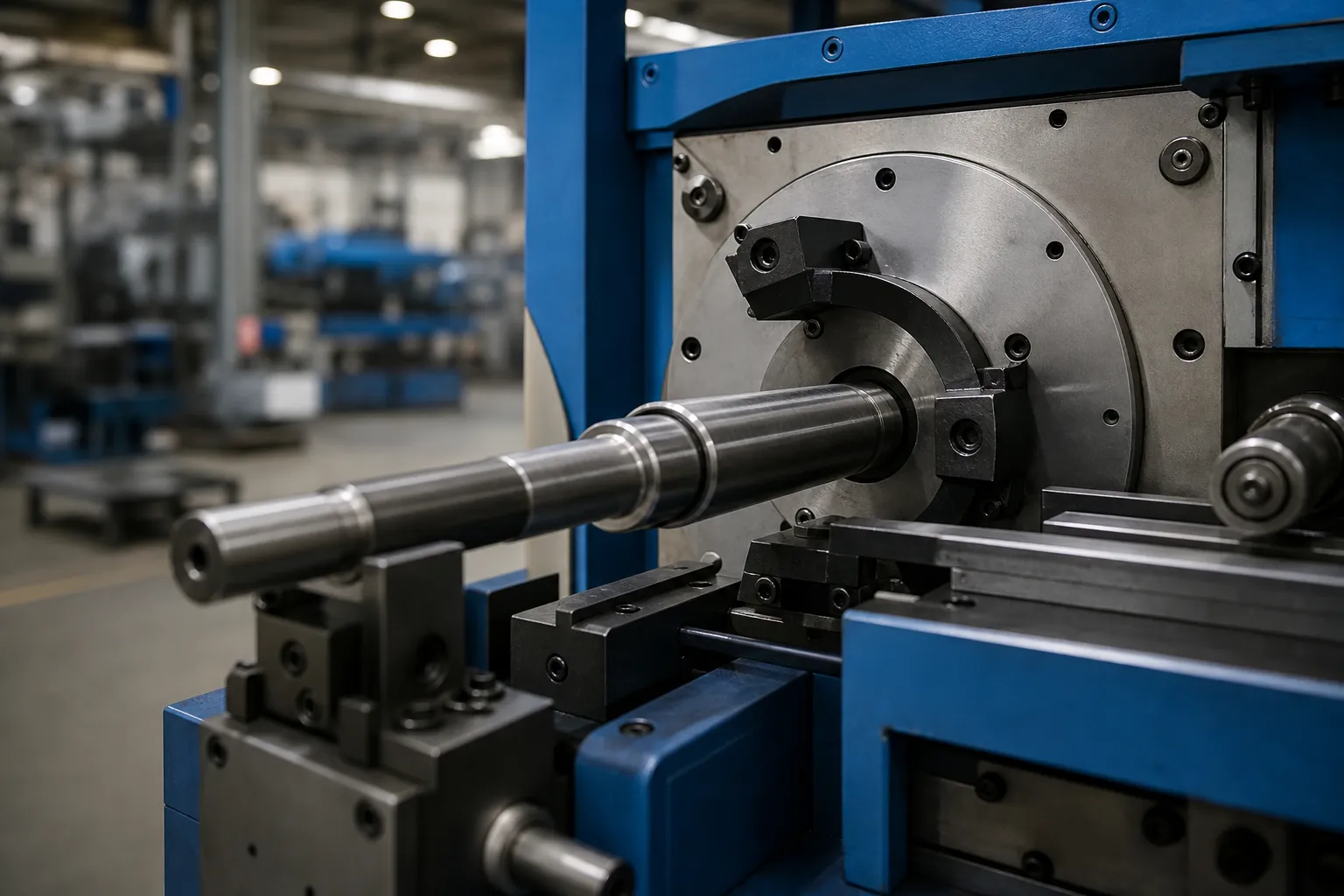
*Ilustracija inženjerskog koncepta. Pokazuje mogući kontekst automatiziranog rukovanja, nije dokaz o dostupnoj lokalnoj konfiguraciji ili proizvodnom rezultatu.*
Definirajte granicu automatizacije
“Automatski” može opisati jednu ili više različitih funkcija. Loading, identifikacija dijela, orijentacija, datum sjedišta, mjerenje, korekcija, istovar, izbor recepta, sljedivost i NOK sortiranje treba procijeniti odvojeno.
| Funkcija | Ručna ruta za evaluaciju | Automatska ruta za procjenu |
|---|---|---|
| Utovar i orijentacija | Rukovanje operaterom, potvrda učvršćenja i sigurna ergonomija | Identifikacija porodice, kontrolirana prezentacija i rukovanje validacijom |
| Measurement | Podešavanje operatera, očitavanje mjerača i ponovljivost | Kontrolisana sekvenca, hvatanje podataka i mjerna korelacija |
| Ispravka | Vješto prosuđivanje i inkrementalni odgovor | Petlja kontrolirana receptom i pragovi izuzetaka |
| Promjena | Disciplina fiksiranja/postavljanja i prvi pregled | Kontrola verzija, identitet alata i potvrda prvog dijela |
| Dispozicija | Fizička segregacija i dokumentovani pregled | Definisano PASS/NOK/prerada rutiranja s ljudskim ovlaštenjima |
Automatska linija i dalje može zahtijevati ručno odobrenje u kritičnom koraku. Ručna radna stanica i dalje može koristiti kontrolirane mjerače i sljedive zapise. Odabir treba da opisuje stvarni proces umjesto da koristi široku oznaku.
Započnite s miješanjem obradaka i prihvaćanjem
Velika varijacija, neizvjestan datum, složeno rukovanje ili česte inženjerske promjene mogu učiniti fleksibilnu ručnu ili poluautomatsku rutu prikladnom tokom razvoja. Stabilna porodica sa ponovljivim opterećenjem, definisano mjerenje i validirani odgovor korekcije mogu opravdati više automatizacije. Niti jedan zaključak se ne može donijeti samo iz obima proizvodnje.
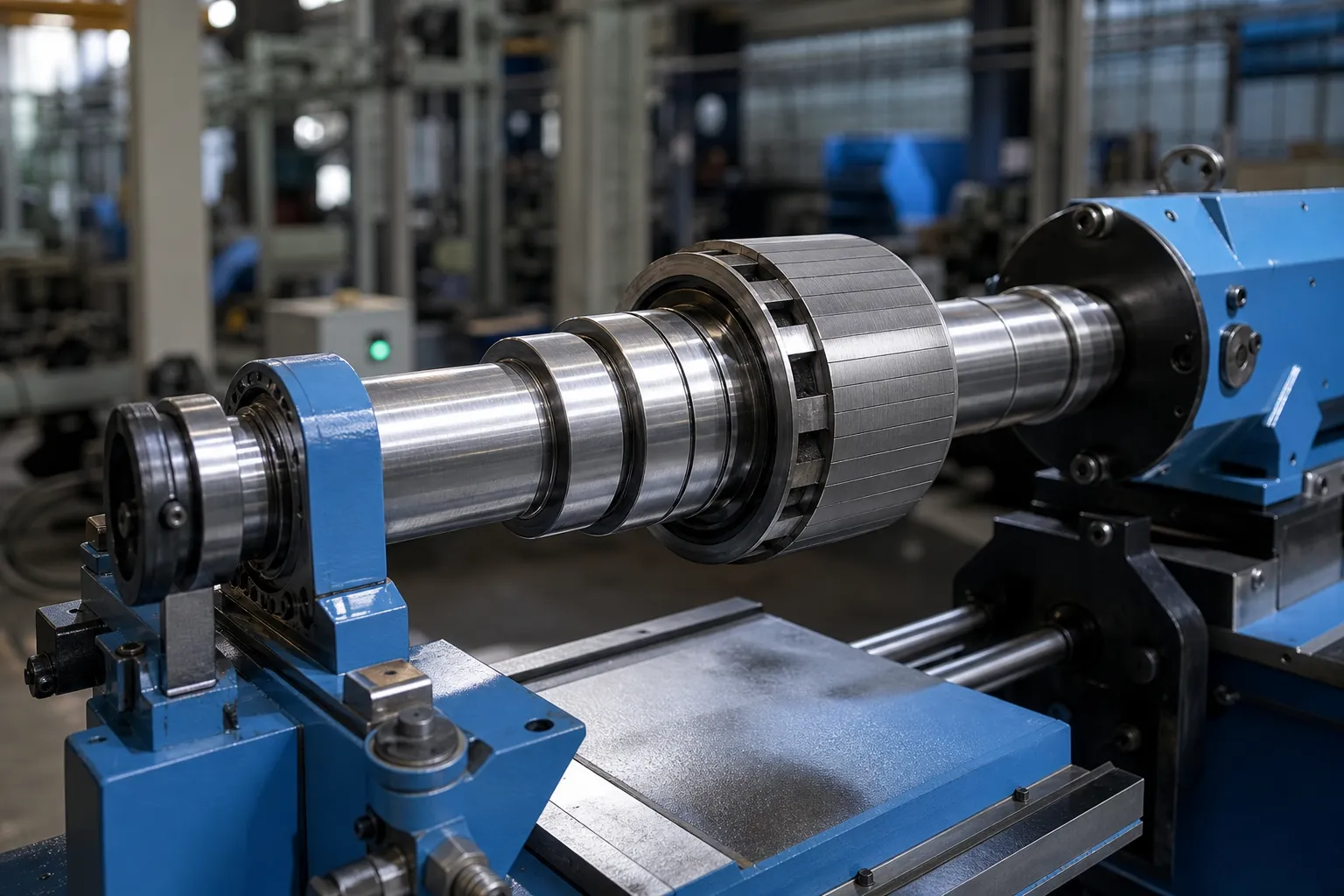
*Ilustracija inženjerskog koncepta. Predstavlja koncept korekcije zatvorene petlje; ne tvrdi da je data osovina motora ili funkcija automatizacije podržana.*
RFQ treba da specificira varijante radnog komada, faza materijala/procesa, distribucija dolaznih grešaka, datum, zaštićene zone, mjerač kupaca, ciljni miks i ograničenja rukovanja. Koristi osovina, izbor ravnala cijevi i profila prije nego uporedimo oznake automatizacije.
What Automation Actually Repeats
Strip away the robotics and an automatic straightening machine is a device for repeating a validated sequence: identify the family, seat the part, measure against a stored rule, apply a stored correction response, ponovo izmjeriti, route. Every one of those verbs was originally written by a person — an engineer who qualified the datum, an operator who proved the correction response on samples, a quality function that approved the acceptance rule. Automation does not create that knowledge; it preserves and executes it. This framing explains both the strength and the boundary. The strength: once validated, the sequence runs identically at hour eight of a shift as at hour one, unaffected by fatigue, and every part carries its data. The boundary: sve prije validacije — razvoj koncepta korekcije za novu porodicu, dijagnosticiranje nepoznatog signala, odlučivanje da li je anomalija greška u podešavanju ili deo problema - ostaje inženjerski i stručni rad, ma koliko automatska ćelija. Fabrika koja automatizuje pre validacije automatizuje svoju konfuziju brzinom linije.
Strukture troškova su različite, Ne samo etikete
Uspoređujući rute po nabavnoj cijeni ili broju zaposlenih, promašuje se gdje svaka ruta zapravo troši novac. Ručna ruta ga troši kontinuirano: Vještim operaterima treba vremena da se razviju i teško ih je zamijeniti, propusnost varira u zavisnosti od osobe u smjeni, a konzistentnost između operatera je stalni zadatak nadzora - komponenta ponovljivosti studije merenja postoji uglavnom zbog toga. Automatizirana ruta ga troši s prednjim opterećenjem i u grudvama: inženjerski napor da se potvrdi svaka porodica prije nego što je ćelija može pokrenuti, pribor i alat po porodici, i disciplina održavanja i kalibracije o kojoj ćelija ovisi, ali raspored proizvodnje rijetko slavi. Ekonomija promjene se invertuje između ruta - jeftina u vještini i spora u minutama na ručnoj klupi, brzo za nekoliko minuta, ali skupo u pripremi na automatskoj liniji. Ništa od ovoga apstraktno ne čini ni jednu rutu jeftinijom; to znači mješavina dijelova, učestalost promjene i raspoložive vještine odlučuju koja struktura troškova odgovara. The diskusija o strukturi troškova mašine tretira ove vozače bez pretvaranja da ima univerzalne brojeve povrata.
Uporedite petlje za mjerenje i korekciju
Ručno ravnanje može se oslanjati na operatera za opterećenje, mjera, odaberite tačku korekcije i ponovo izmjerite. Automatsko ravnanje može ponoviti pohranjeni niz. U oba slučaja, konačan rezultat zavisi od datuma sjedenja, mjerna korelacija, dozvoljen kontakt, inkrementalna korekcija i verifikacija oslobođenog stanja.
| Pitanje | Zašto mijenja odluku |
|---|---|
| Da li je ulazna geometrijska mapa ponovljiva? | Automatizacija ne može kompenzirati nedefiniran ili nestabilan signal |
| Da li su oslonci i tačke korekcije fiksirane od strane porodice? | Dijelu s visokom mješavinom možda će biti potreban tehnički pregled, a ne generički recept |
| Da li je mjerilo kupaca u korelaciji? | Očitavanja mašine ne zamenjuju automatski završnu inspekciju |
| Da li su izuzeci definisani? | Nekontrolirani ponovni pokušaj može sakriti problem procesa |
Za granicu procesa, vidi point-press ravnanje i ispitivanje i prihvatanje uzorka ispravljanja.
Evaluate Changeover, Podaci i izuzeci
Automatizacija može biti korisna samo kada je dio identiteta, fixture, verzija recepta, potvrda prvog komada, polja podataka i rute izuzetaka su kontrolirane. U pregledu treba navesti ko može promijeniti postavku, koliko je starijih verzija spriječeno da se izvode, kako se uređaj identifikuje, i šta se dešava nakon merenja ili upozorenja na procesni signal.
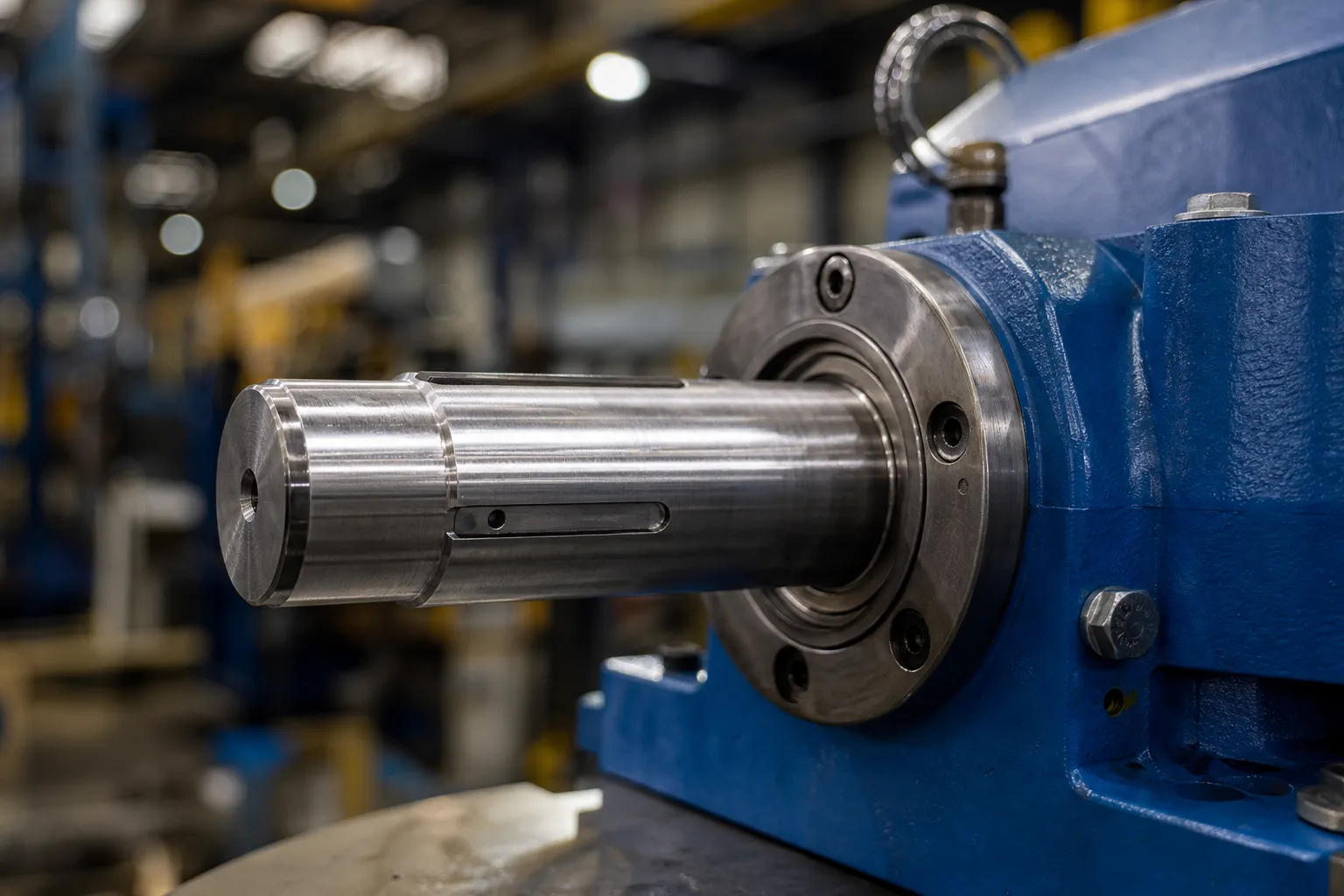
*Ilustracija inženjerskog koncepta. Naglašava verifikaciju puštenog stanja i dispoziciju koja se može pratiti, nije obećana automatska funkcija inspekcije.*
Put migracije za kojim niko ne žali
Odluka ručne nasuprot automatske rijetko je binarna u praksi, and the most common successful pattern is staged: automate the steps whose validation is complete and whose failure modes are understood, keep human hands and judgment on the steps that are not. A frequent first stage automates measurement and disposition — the machine gauges the part, the operator still loads and corrects — because measurement repeatability is usually the first bottleneck and its automation risk is low. A second stage adds automatic loading and part identification once the family presentation is stable, the domain covered for robot tending of straightening machines. Full closed-loop correction comes last, after the correction response has been validated across the incoming error distribution. Each stage is justified by the same evidence rule: a sample test on the specific step, run on representative and worst-case parts, with disposition routing demonstrated per the NOK discipline. Factories that follow this sequence buy automation where it is proven and keep flexibility where it is needed; factories that buy the last stage first spend their commissioning period discovering what they skipped.
Skills Each Route Consumes
Neither route is skill-free, and planning the wrong skill set starves the line quietly. The manual route concentrates skill in the operator: reading the error map, choosing correction points, judging incremental response — expertise that takes real time to build, lives in few people, and walks out the door with them. The automated route distributes skill across the organization: process engineers who validate families and maintain recipes, maintenance staff who can diagnose a sensor or fixture fault before it becomes scrap, and quality staff who own the correlation studies that keep the machine’s readings meaningful at acceptance. A buyer moving from manual to automatic who staffs only for operation — and not for engineering and maintenance — typically finds the cell’s recipes frozen, its correlation stale and its exceptions unowned within the first year. The automation boundary on paper should therefore be matched by a staffing plan for the skills each side of that boundary consumes.
Donesite odluku pomoću uzorka testa
Uporedite rute kandidata koristeći reprezentativne normalne i najgore moguće dijelove. Zabilježite ponovljivost učitavanja/podešavanja, geometrija prije i poslije, očitanja objavljenog stanja, stanje površine, rukovanje, zamjena, hvatanje podataka i usmjeravanje izuzetaka. Nemojte zaključivati godišnje uštede na radu, propusnost ili povrat od konkurentskog artikla ili hipotetičko vrijeme ciklusa.
FAQ
Da li je automatsko ispravljanje uvijek preciznije?
br. Preciznost zavisi od radnog komada, datum, mjerenje, korektivni odgovor i metod prihvatanja. Automatizacija može poboljšati ponovljivost samo kada su te osnove validirane.
Kada je ručno ravnanje bolji izbor?
Može biti prikladno za razvoj, nestabilne ili veoma varijabilne porodice delova, rad male količine, složena postavka, ili situacije u kojima je pravac korekcije još uvijek kvalificiran.
Može li ručni sistem imati sljedivost?
Da. Kontrolisana identifikacija, mjerne evidencije, Disciplina recepta/fiksa i evidencija o dispoziciji mogu se implementirati nezavisno od nivoa automatizacije.
Is semi-automatic straightening a compromise or a strategy?
A strategy, when it is staged deliberately. Automating measurement and disposition first, loading second, and closed-loop correction last matches automation investment to validated knowledge — each stage carries a sample test, and flexibility is retained where families are still developing.
What skills does an automatic line still need?
Process engineering to validate families and control recipes, maintenance able to diagnose sensor and fixture faults, and quality ownership of the gauge correlation. Operation labor drops; engineering and maintenance skill does not — it usually rises.
Does automation reduce the number of quality decisions?
It relocates them. Routine dispositions become automatic, but the definition of the routing rules, the approval of recipes and the response to exceptions remain human decisions with named authority. The boundary is between executing decisions and making them.