
إن بيضاوية الأنبوب واستقامة خط الوسط هما حالتان هندسيتان مختلفتان. تتعلق البيضاوية بشكل المقطع العرضي; تتعلق استقامة خط الوسط بمسار الأنبوب على طوله. يمكن أن يكون للأنبوب هندسة خط مركزي مقبولة ولكنه يكون خارج الدائرة عند محطة واحدة, أو يمكن أن تكون مستديرة عند كل قسم مُقاس بينما ينحني خطها المركزي عبر مسافة طويلة. إن التعامل مع هذه الشروط كقيمة "استقامة" واحدة يمكن أن يؤدي إلى اتخاذ قرار خاطئ بشأن العملية.
هذا الدليل هو إطار القياس والقبول. لا تدعي مجموعة أنابيب StraighteningTech, قدرة الجدار, كَيّل, الاستشعار, التسامح أو عملية التصحيح التحقق من صحتها. يجب أن تأتي المتطلبات النهائية من الرسم المتحكم فيه, الطريقة المرجعية والعينات التمثيلية.

*التوضيح المفهوم الهندسي. وهو يصور سياق عملية استقامة الأنبوب, ليس دليلاً على إمكانية معالجة عائلة أنابيب معينة أو حالة جدار معينة.*
حدد كل خاصية قبل قياس أي منهما
Ovality هي خاصية لكل محطة: كل مقطع عرضي يتم قياسه له قيمته الخاصة, والأنبوب الذي يتم فحصه في اثنتي عشرة محطة يحتوي على اثنتي عشرة قيمة بيضاوية يمكن أن تختلف. استقامة خط الوسط هي خاصية الطول الكامل: وهو مشتق من المسار الذي رسمته المراكز المتعاقبة لتلك المقاطع العرضية. ولا تصف السمتان عيوبًا مختلفة فحسب، بل إنهما تعيشان في مستويات مختلفة من سلسلة القياس, ويتم حساب المستوى الأعلى من المستوى الأدنى.
هذه التبعية هي الاقتران الخفي. لا يتم قياس خط الوسط مباشرة; يتم حسابه, محطة بعد محطة, من الأقسام التي ليست مستديرة تمامًا أبدًا. أيًا كانت القاعدة، فهي تحول مقطعًا مُقاسًا إلى نقطة مركزية واحدة — متوسط قطرين, مركز دائرة المربعات الصغرى, مركز دائرة المنطقة الدنيا, أو أن المركز الذي يحدث فيه مقياس من نقطتين - يصبح جزءًا من تعريف الاستقامة. لذلك يمكن أن تختلف طريقتان للفحص حول الخط المركزي لنفس الأنبوب المادي بينما تكون كل منهما متسقة داخليًا, لأنهم قاموا بتضمين قواعد مختلفة للعثور على المركز.
يجب أن تنص وثائق القبول, لكل صفة: الصيغة (البيضاوية على أساس القطر, البيضاوي القائم على الانحراف الشعاعي, أو التسامح الكامل للشكل), قاعدة العثور على المركز تغذي حساب خط الوسط, ومجموعة المحطة التي تنطبق عليها كل قيمة. واحد “الاستقامة موافق” السجل الذي لا يذكر القواعد التي تم إنشاؤها، لا يمكن نقله بين مقاييس المورد والعملاء.
قياس المقطع العرضي والهندسة الطولية باستخدام الدعامات المناسبة
يمكن أن تؤثر مواقف الدعم على خط الوسط الظاهر من خلال الترهل; يمكن أن يؤثر التثبيت على قسم رقيق الجدار; يمكن أن يؤثر اتصال المسبار على استجابة السطح أو الجدار. ولذلك يجب أن يحدد الإجراء الشروط الخاصة بكل خاصية وفحص التكرار/إعادة التثبيت عند الحاجة.
| مراقبة القياس | لماذا يهم |
|---|---|
| محطة المقطع العرضي والتوجيه | يمكن أن تختلف البيضاوية على طولها وحول المحيط |
| الامتداد الطولي والدعامات | يمكن أن تتضمن قراءات الخط المركزي تأثيرات الجاذبية والتثبيت |
| مسند وحالة النهاية | يحدد ما إذا كانت النتيجة تتعلق بالوظيفة المقصودة |
| الاتصال أو الطريقة البصرية | يمكن تقديم سطح مختلف, حدود الوصول وعدم اليقين |
| حالة الافراج | يمنع الإبلاغ عن التقييد المؤقت كهندسة نهائية |
يدعم التباعد مرشحات إشارة الخط المركزي
على مدى مقاس, تعمل الدعامات كمرشح ميكانيكي لقراءة الخط المركزي: يتم قمع محتوى الانحناء بطول موجي أقصر من تباعد الدعم جزئيًا بواسطة المقاطع المقوية, بينما يمر القوس ذو الطول الموجي الأطول إلى القراءة. وبالتالي، يمكن للأنبوب نفسه أن يُبلغ عن انحناء مختلف على مدى تثبيت قصير مقارنةً بقوس طويل دون أن تكون القراءة خاطئة. إن نطاق الدعم ليس من وسائل الراحة في الإعداد - فهو جزء من تعريف الاستقامة, ويجب أن تتطابق, أو أن تكون مرتبطة بشكل صريح, المدى الذي يستخدمه مقياس العميل.
يلعب تباعد المحطات دورًا مشابهًا في مجال أخذ العينات. تقوم المحطات المتباعدة على نطاق واسع بأخذ عينة أقل من مسار الخط المركزي ويمكن أن تفوت شبكة محلية بين المحطات; تبدأ المحطات الكثيفة جدًا في مزج تباين سماكة السطح والجدار في المحور المحسوب. يجب أن توضح خطة أخذ العينات مكان وجود المحطات - وليس فقط عددها - لأن المحطات الإعلامية هي نقاط الدعم, نقاط التثبيت, نهايات الأنبوب وأحياء قمم الانحناء المتوقعة.
على الأنابيب ذات الجدران الرقيقة تحمل الدعامات ثانية, تأثير غير مرغوب فيه: رد فعل الدعم يمكن أن يجعل القسم بيضاويًا محليًا, وبالتالي فإن البيضاوية المقاسة في محطة الدعم تتضمن مساهمة مستحثة بالقياس. تعتبر مقارنة القراءات في المحطات المدعومة مع القراءات المأخوذة خارج نطاق تأثير الدعم بمثابة فحص رخيص لهذا الغرض; حيث يكون الفرق كبيرا, يجب تقييم قبول البيضاوية في محطات مجانية محددة. للتمييز المحمل مقابل المفرج عنه في القبول النهائي, يرى قياس الاستقامة المحملة مقابل الصادرة.
لا تقم بتصحيح خطأ واحد وتفترض أن الخطأ الآخر قد تم حله
قد تؤدي عملية التصحيح التي تهدف إلى تقليل الانحناء إلى تغيير الشكل البيضاوي أو حالة الجدار. قد لا تؤدي العملية التي تهدف إلى تحسين شكل القسم إلى إنشاء استقامة خط الوسط. يجب أن تحدد خطة العينة الشكل الهندسي الذي يتم التحكم فيه, ما هي الخصائص الثانوية التي يتم فحصها, حيث يُسمح بالاتصال وعندما تكون هناك حاجة إلى عملية مستقلة.
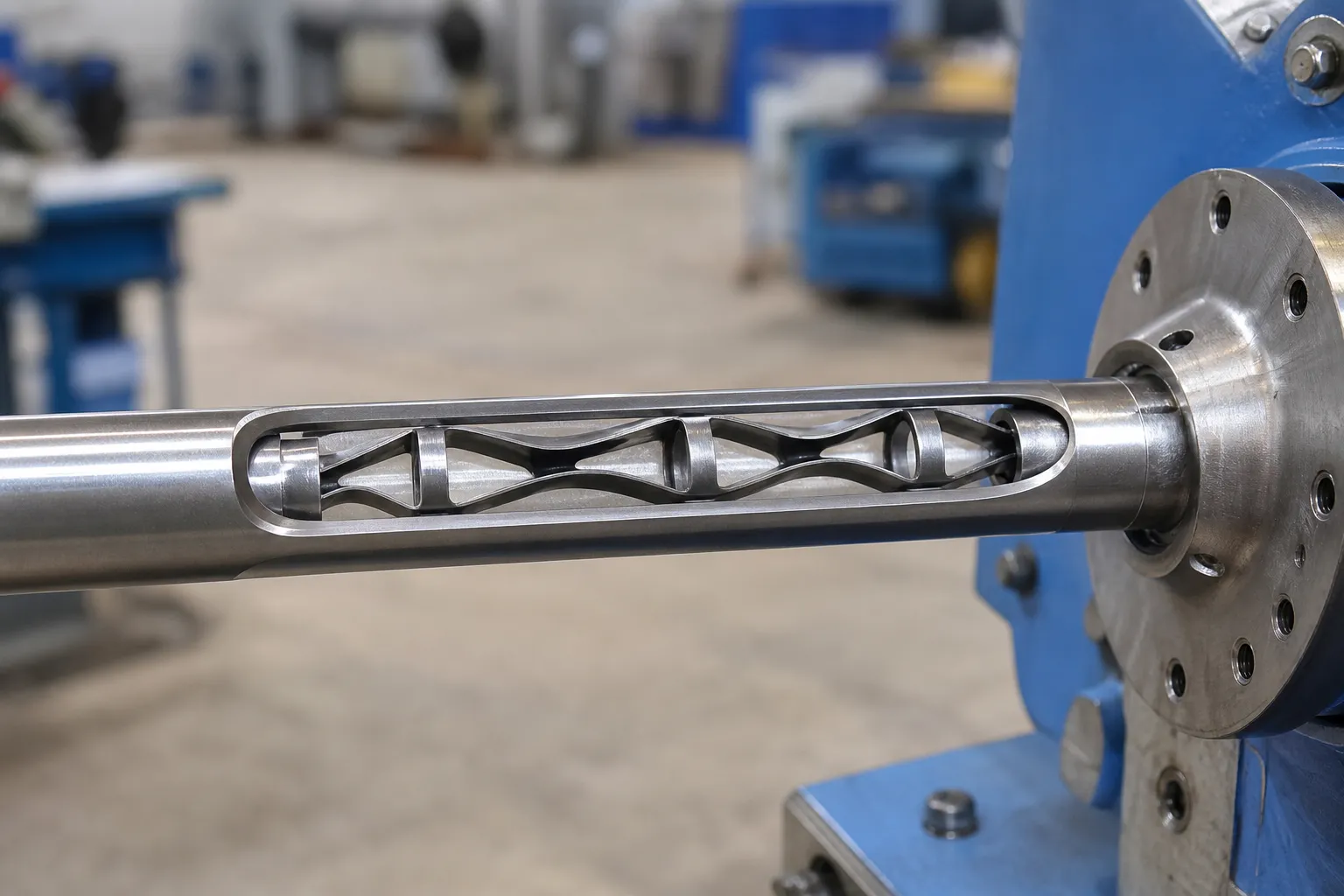
*التوضيح المفهوم الهندسي. ويقدم الدعم الداخلي كسؤال هندسي مرشح; وهذا ليس ادعاءً بأن الأدوات الداخلية قياسية أو مناسبة لكل أنبوب.*
للأقسام المجوفة غير المستديرة, انظر استقامة الأنبوب المربع والمستطيل. للأجزاء الدوارة المجوفة, يرى استقامة العمود المجوف ذو الجدار الرقيق.
افصل بين الإشارتين قبل قبول أي قراءة
The two characteristics contaminate each other's measurements in specific, طرق قابلة للتشخيص. في تتبع مسبار واحد دوار في محطة واحدة, تحتوي الإشارة الشعاعية على الأقل على خطأ النموذج المحلي للقسم وإزاحة مركز القسم من محور الدوران. يظهر خطأ الشكل الذي يهيمن عليه البيضاوي في المقام الأول باعتباره التوافقي الثاني - يتكرر الأثر مرتين في كل دورة, مع المحور الرئيسي البيضاوي تحديد المرحلة. تظهر إزاحة المركز على شكل توافقي أول - نتوء واحد لكل ثورة. وفي أثر واحد يمكن فصل الاثنين من حيث المبدأ, لكن التوافقي الأول في حد ذاته غامض: ينتج عن الانحناء الحقيقي وإزاحة الجلوس أو الرمي نفس توقيع المحطة الواحدة. يعيش التمييزيون خارج الأثر الواحد. عبر المحطات, يغير الانحناء السعة مع الوضع الطولي ويتبع مستوى الانحناء, بينما يحافظ إزاحة الجلوس على سعة ثابتة وطور مغلق على محور الدوران. هذا المنطق متعدد المحطات, جنبًا إلى جنب مع البصمات التوافقية لتأثيرات الفصوص والمسند, تم تطويره في الاستدارة مقابل الانحناء في قياس الدوران.
ويسير التلوث أيضًا في الاتجاه الآخر. يقوم المسبار الممسوح ضوئيًا على طول الأنبوب بقراءة السطح المحلي, وليس المحور: أنبوب مستقيم على خط الوسط ولكنه ينجرف في اتجاه بيضاوي على طوله وينتج أثرًا طوليًا يشبه القوس. إن الفحص العملي ثنائي المسح لا يكلف سوى القليل: مسح الطول في اتجاه واحد, ثم في الاتجاه المتعامد — عن طريق تدوير الأنبوب تسعين درجة مقابل نفس المسبار, أو باستخدام مسبار ثانٍ بزوايا قائمة. قارن بين الأثرين. يتحلل القوس المركزي إلى الاتجاهين كإسقاطات لمتجه واحد: والآثاران متشابهتان في الشكل وواحدة في الإشارة, كل منهما نسخة مصغرة من الآخر. شكل القسم يفعل العكس: حيث يقع المحور البيضاوي الأكبر في اتجاه المسح الأول ويقع عبره في الاتجاه الثاني, لذا فإن القمة في أحد الآثار تتوافق مع الوادي في الآخر. الآثار التي لها نفس الشكل ونفس الإشارة لها انحناء; الآثار التي تكون ذات علامة معاكسة في محطات معينة لها شكل وتنوع في الجدار. الفئة الأولى فقط هي التي يجب أن تذهب إلى قرار التصحيح.
يضيف الانحراف المركزي لسماكة الجدار طبقة ثالثة على الأنبوب المسحوب أو المدرفل: السطح الخارجي والتجويف ليسا متحدين المركز, لذا فإن خط الوسط المحسوب من قياسات القطر الخارجي وخط الوسط المحسوب من قياسات التجويف لن يتطابقا. لا يوجد خطأ; يجيبون على أسئلة وظيفية مختلفة. أيهما يحكم القبول يجب أن يتبع وظيفة الجزء في تجميعه - والرسم, ليس أي مقياس متاح, يحدد ذلك. سلوك الجدران الرقيقة أثناء التصحيح له أوضاع الفشل الخاصة به, مغطاة استقامة أنبوب رقيق الجدار دون انهيار.
بناء خطة ارتباط قياس العملاء
يجب أن تستخدم التجربة أنابيب تمثيلية عادية وأسوأ الحالات, قراءات أولية لكلا الخاصيتين, شروط الدعم والإفراج المتفق عليها, كرر الإعداد, فحص السطح/الجدار, والمقارنة بمقياس العملاء. يجب أن يوضح السجل ما إذا كانت القراءة هي قيمة عملية آلية, قيمة قبول العميل أو نتيجة مرتبطة.
يستخدم مقياس الماكينة مقابل ارتباط مقياس العميل و استقامة اختبار العينة والقبول لتحديد حزمة الأدلة.
قم بتشغيل سلسلتي قبول منفصلتين, ليس واحدا
لأن التعاريف, يختلف الدعم وأوضاع الفشل, يحتاج كل من الشكل البيضاوي واستقامة الخط المركزي إلى سلسلتهما الخاصة من لغة الرسم إلى السجل الموقع. انهيار كلاهما في عام واحد “الهندسة موافق” يترك كل رابط أدناه غامضا:
| رابط السلسلة | سلسلة البيضاوية | سلسلة خط الوسط |
|---|---|---|
| مميزة وصيغة | أي حكم الانحراف, تطبق لكل محطة | أي فترة تحكم, وما هي قاعدة العثور على المركز التي تغذي المسار |
| الطريقة المرجعية | قياس القسم في محطات محددة | مسح طولي أو تتبع دوار على دعامات محددة |
| الدعم والإفراج | تتميز المحطات المجانية عن المحطات المدعومة | تم تعريف النطاق; معالجة آثار الترهل والتثبيت أو الارتباط بها |
| أخذ العينات | مواقف المحطة التي تحددها المواصفات, ليس عن طريق الراحة | المسافة بين المحطات قصيرة بما يكفي لحل أقصر انحناء متوقع |
| القدرة على القياس | تم إثبات التكرار ضد تباين النموذج داخل الجزء | تم إثبات إمكانية التكرار ضد تباين جزء إلى جزء والإعداد |
| علاقة | مقياس الماكينة مقابل مقياس العميل في نفس الأقسام | مقياس الماكينة مقابل مقياس العميل على نفس النطاق والدعامات |
| سِجِلّ | قيم كل محطة مع القاعدة وهوية المحطة | تم ذكر نتيجة المسار مع مدى الدعم والتصفية |
كل رابط هو مكان تنكسر فيه السلسلة بصمت. الصيغة غير المعلنة تصنع مقياسين' أرقام لا تضاهى. تعمل حالة الدعم المحددة على الجهاز ولكن ليس على العميل على إنشاء إزاحة منهجية في كل محاولة ارتباط. مجموعة محطات غير محددة تجعل الحكم يعتمد على المكان الذي قام المشغل بالقياس فيه. وتقوم قدرة القياس غير المثبتة بتحويل ضوضاء القياس إلى انجراف واضح للعملية, والتي تطاردها بعد ذلك حلقة التصحيح. تمت تغطية التحقق من صحة نظام القياس قبل الثقة بأي من هذه الأرقام غيج ر&R لتسوية الخطوط.
التعليمات
هل يمكن أن يكون الأنبوب مستقيمًا ولكن خارج الدائرة؟?
نعم. إن استقامة الخط المركزي والبيضاوي هما حالتان مختلفتان وتتطلبان قياسًا منفصلاً. ومن الناحية العملية، ينتمي الاثنان إلى نفس سجل التفتيش ولكن تحت أرقام مميزة مختلفة, لكل منها صيغتها الخاصة, مجموعة المحطة وقياس الارتباط.
هل يثبت المقطع العرضي المستدير أن الأنبوب مستقيم على طوله؟?
لا. قد يكون الأنبوب مستديرًا في المقاطع المقاسة بينما يكون خط الوسط الخاص به مقوسًا أو اكتساحًا. يقرأ المسح الطولي السطح بدلاً من المحور, لذا فإن المقارنة المتعامدة بين المسحين أعلاه هي ما يبقي تأثيرات الشكل خارج حكم الاستقامة.
هل يمكن لعملية التصحيح أن تضمن كلا النتيجتين؟?
ليس بدون التحقق من صحة قطعة العمل المحددة. يجب أن تقيس العملية وتتحقق من كل خاصية يتطلبها الرسم. بخاصة, عملية التحقق من صحة القوس لا تقول شيئًا عن تأثيرها على نموذج القسم عند جهات الاتصال, الدعم والمحطات المجانية - تلك تحتاج إلى قراءاتها الخاصة قبل وبعد.
كيف يمكننا معرفة ما إذا كانت قراءة الاستقامة ملوثة بالبيضاوية؟?
كرر المسح الطولي في الاتجاه المتعامد وقارن الآثار. نفس الشكل ونفس العلامة عبر المسحين هو توقيع القوس المركزي; تشير العلامة المقابلة في محطات معينة إلى شكل القسم أو اختلاف الجدار. تضيف آثار المحطة الواحدة الدوارة اختبارًا ثانيًا: يغير الانحناء السعة بين المحطات, في حين أن إزاحة الجلوس لا تفعل ذلك.
هل يجب قياس البيضاوية في كل مقطع عرضي؟?
فقط المواصفات يمكنها الإجابة على ذلك. ما يجب أن تضمنه خطة القبول هو أن يتم إصلاح مجموعة المحطات مسبقًا - بما في ذلك الدعم عادةً, المشابك, النهايات وأحياء القمم المنحنية - لذا فإن الحكم لا يعتمد على المكان الذي قام فيه المشغل بالتحقق.
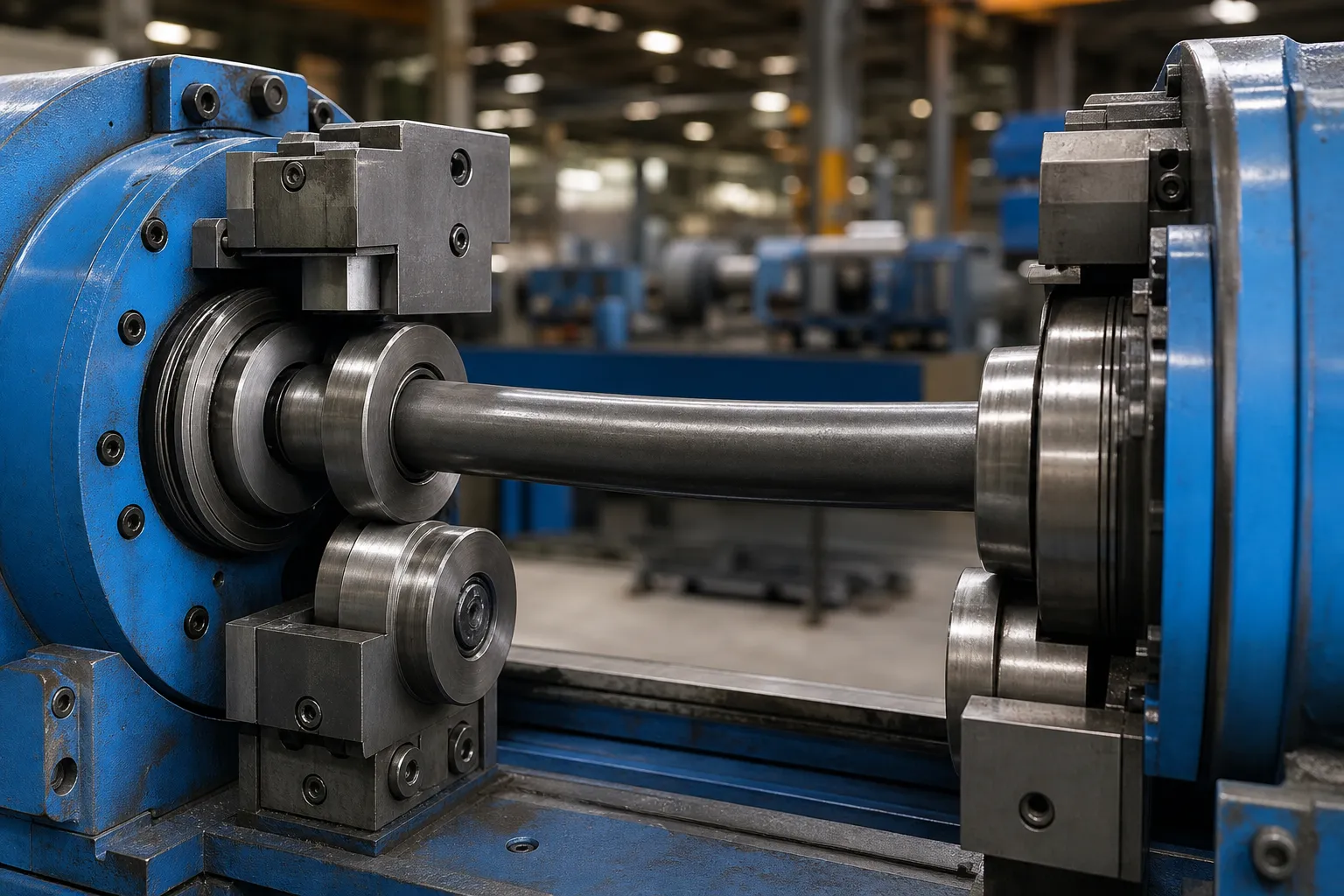
*رسم توضيحي للمفهوم الهندسي.*