
Manuell och automatisk uträtning är inga kvalitetsmärkningar. Båda vägarna kan vara olämpliga när arbetsstyckets utgångspunkt, mätmetod, kontaktzoner, acceptansregeln eller hanteringsprocessen är odefinierad. Den användbara frågan är vilka steg som behöver repeterbar kontroll för en definierad delfamilj - och vilka steg som fortfarande kräver skicklig installation, tekniskt godkännande eller kundmätare verifiering.
Den här guiden är ett urvalsramverk, inte ett påstående om att StraighteningTech tillhandahåller en viss automationskonfiguration eller att automatisering garanterar en noggrannhet, cykeltid, arbetsreduktion eller ROI. Dessa resultat kräver verifierad utrustningsomfattning och representativa produktionsbevis.
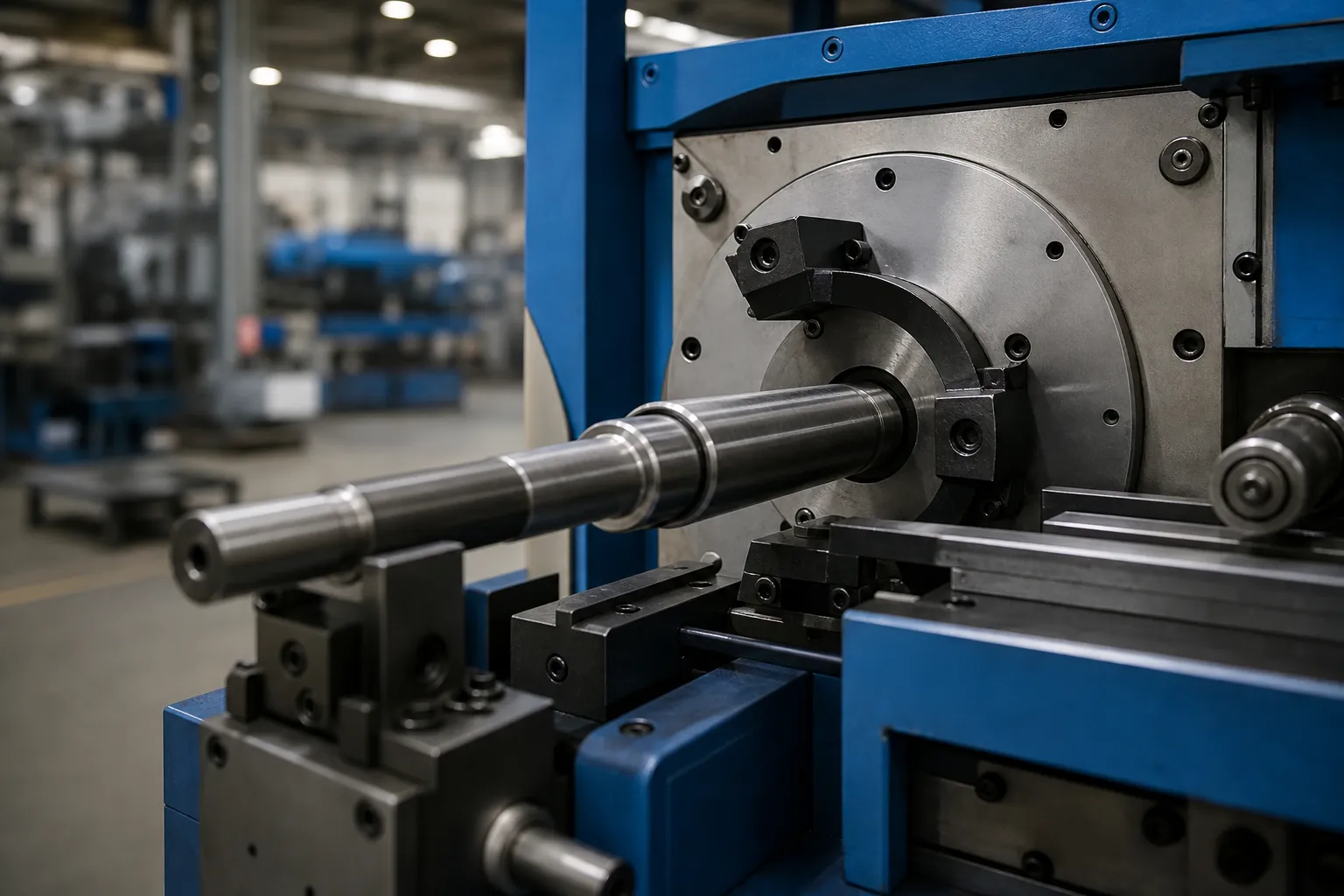
*Engineering koncept illustration. Den visar en möjlig automatiserad hanteringskontext, inte bevis på en tillgänglig lokal konfiguration eller produktionsresultat.*
Definiera automationsgränsen
"Automatisk" kan beskriva en eller flera olika funktioner. Belastning, delidentifiering, orientering, datum sittplats, mått, korrektion, avlastning, val av recept, spårbarhet och NOK-sortering bör utvärderas separat.
| Fungera | Manuell väg att utvärdera | Automatiserad rutt att utvärdera |
|---|---|---|
| Lastning och orientering | Operatörshantering, fixturbekräftelse och säker ergonomi | Familjeidentifikation, kontrollerad presentation och hanteringsvalidering |
| Mått | Operatörsinställning, mätaravläsning och repeterbarhet | Kontrollerad sekvens, datainsamling och mätkorrelation |
| Korrektion | Skickligt omdöme och inkrementell respons | Receptstyrda slinga och undantagströsklar |
| Övergång | Fixtur/inställningsdisciplin och förstahandsgranskning | Versionskontroll, verktygsidentitet och första delbekräftelse |
| Disposition | Fysisk segregation och dokumenterad granskning | Definierad PASS/NOK/omarbeta routing med mänsklig auktoritet |
En automatisk linje kan fortfarande kräva manuellt godkännande vid ett kritiskt steg. En manuell arbetsstation kan fortfarande använda kontrollerade mätare och spårbara register. Urvalet bör beskriva den verkliga processen snarare än använda en bred etikett.
Börja med Workpiece Mix och Acceptans
Hög variation, osäkert datum, komplex hantering eller frekventa tekniska förändringar kan göra en flexibel manuell eller halvautomatisk väg lämplig under utveckling. En stabil familj med upprepad belastning, definierad mätning och ett validerat korrigeringssvar kan motivera mer automatisering. Ingen av slutsatserna kan dras enbart utifrån produktionsvolymen.
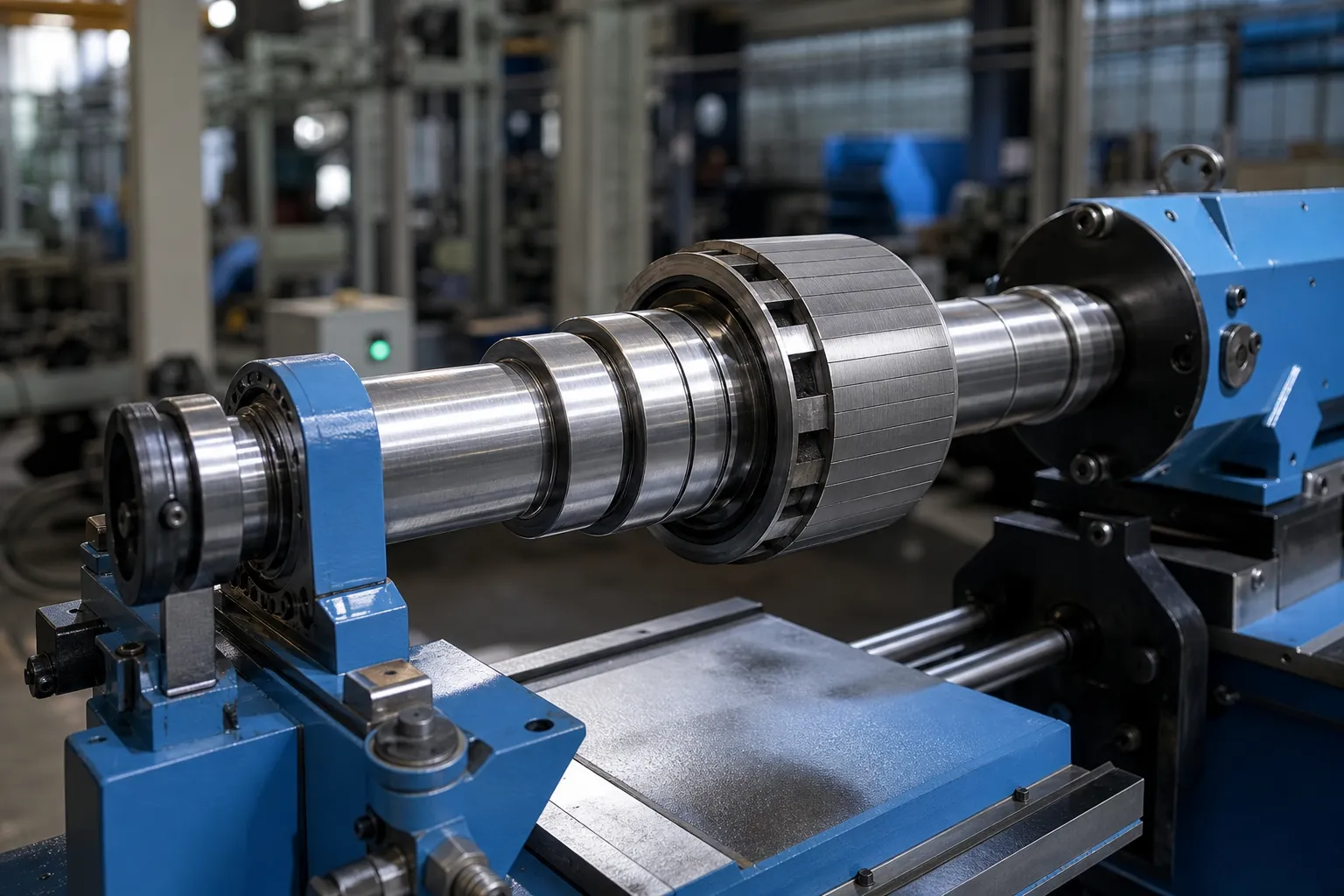
*Engineering koncept illustration. Det representerar ett korrigeringskoncept med sluten slinga; den hävdar inte att en given motoraxel eller automationsfunktion stöds.*
Anbudsförfrågan bör specificera arbetsstyckesvarianter, material/processsteg, inkommande felfördelning, utgångspunkt, skyddade zoner, kundmätare, målmix och hanteringsbegränsningarna. Använda axel, val av rör och profilriktare innan du jämför automationsetiketter.
What Automation Actually Repeats
Strip away the robotics and an automatic straightening machine is a device for repeating a validated sequence: identify the family, seat the part, measure against a stored rule, apply a stored correction response, mäta om, route. Every one of those verbs was originally written by a person — an engineer who qualified the datum, an operator who proved the correction response on samples, a quality function that approved the acceptance rule. Automation does not create that knowledge; it preserves and executes it. This framing explains both the strength and the boundary. The strength: once validated, the sequence runs identically at hour eight of a shift as at hour one, unaffected by fatigue, and every part carries its data. The boundary: everything upstream of validation — developing the correction concept for a new family, diagnosing an unfamiliar signal, deciding whether an anomaly is a setup fault or a part problem — remains engineering and skilled work, no matter how automatic the cell. A factory that automates before validating automates its confusion at line rate.
The Cost Structures Are Different, Not Just the Labels
Comparing routes on purchase price or headcount misses where each route actually spends money. The manual route spends it continuously: skilled operators take time to develop and are hard to replace, throughput varies with the person on shift, and consistency between operators is a permanent supervision task — the reproducibility component of measurement studies exists largely because of this. The automated route spends it front-loaded and in lumps: engineering effort to validate each family before the cell can run it, fixture and tooling per family, and a maintenance and calibration discipline that the cell depends on but the production schedule rarely celebrates. Changeover economics invert between the routes — cheap in skill and slow in minutes on a manual bench, fast in minutes but expensive in preparation on an automatic line. None of this makes either route cheaper in the abstract; it means the part mix, changeover frequency and available skills decide which cost structure fits. De machine cost structure discussion treats these drivers without pretending at universal payback numbers.
Jämför mät- och korrigeringsslingor
Manuell uträtning kan förlita sig på att en operatör lastar, mäta, välj korrigeringspunkt och mät om. Automatisk uträtning kan upprepa en lagrad sekvens. I båda fallen, det slutliga resultatet beror på referensplatsen, mätningskorrelation, tillåten kontakt, inkrementell korrigering och verifiering av frisläppt tillstånd.
| Fråga | Varför det ändrar beslutet |
|---|---|
| Är den inkommande geometrikartan repeterbar? | Automatisering kan inte kompensera för en odefinierad eller instabil signal |
| Är stöd och korrigeringspunkter fastställda av familjen? | En högblandningsdel kan behöva teknisk översyn snarare än ett generiskt recept |
| Är kundmätaren korrelerad? | Maskinavläsningar ersätter inte automatiskt slutinspektion |
| Finns undantag definierade? | Okontrollerat försök igen kan dölja ett processproblem |
För processgränsen, se punkt-press uträtning och rätningsprov test och acceptans.
Utvärdera Byte, Data och undantag
Automatisering kan vara användbar endast när delen identitet, fixtur, receptversion, första bekräftelse, datafält och undantagsvägar kontrolleras. Granskningen bör ange vem som kan ändra en inställning, hur gamla versioner förhindras från att köras, hur en fixtur identifieras, och vad som händer efter en mät- eller processsignalvarning.
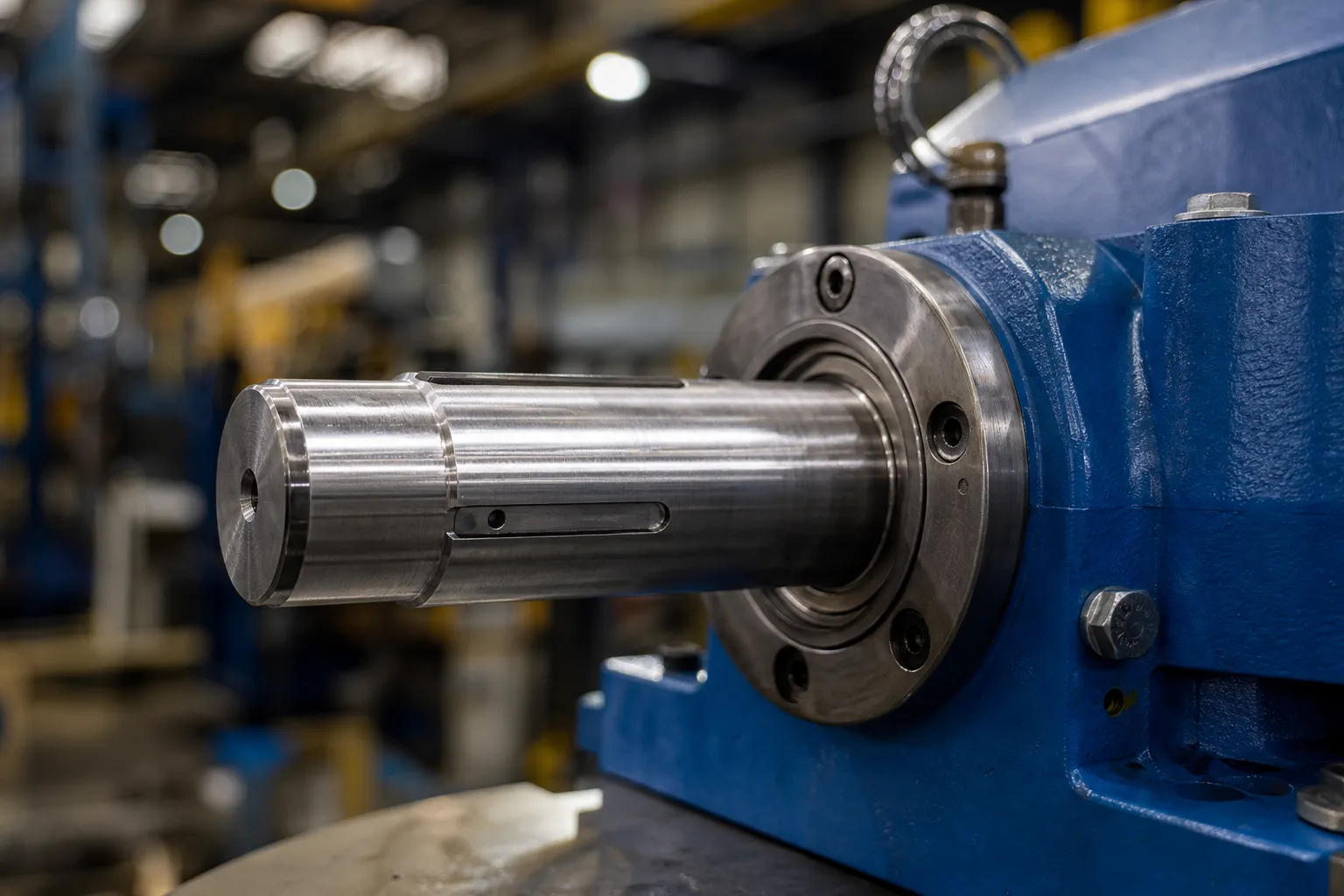
*Engineering koncept illustration. Den betonar verifiering av frisläppt tillstånd och spårbar disposition, inte en utlovad automatiserad inspektionsfunktion.*
The Migration Path Nobody Regrets
The manual-versus-automatic decision is rarely binary in practice, and the most common successful pattern is staged: automate the steps whose validation is complete and whose failure modes are understood, keep human hands and judgment on the steps that are not. A frequent first stage automates measurement and disposition — the machine gauges the part, the operator still loads and corrects — because measurement repeatability is usually the first bottleneck and its automation risk is low. A second stage adds automatic loading and part identification once the family presentation is stable, the domain covered for robot tending of straightening machines. Full closed-loop correction comes last, after the correction response has been validated across the incoming error distribution. Each stage is justified by the same evidence rule: a sample test on the specific step, run on representative and worst-case parts, with disposition routing demonstrated per the NOK discipline. Factories that follow this sequence buy automation where it is proven and keep flexibility where it is needed; factories that buy the last stage first spend their commissioning period discovering what they skipped.
Skills Each Route Consumes
Neither route is skill-free, and planning the wrong skill set starves the line quietly. The manual route concentrates skill in the operator: reading the error map, choosing correction points, judging incremental response — expertise that takes real time to build, lives in few people, and walks out the door with them. The automated route distributes skill across the organization: process engineers who validate families and maintain recipes, maintenance staff who can diagnose a sensor or fixture fault before it becomes scrap, and quality staff who own the correlation studies that keep the machine’s readings meaningful at acceptance. A buyer moving from manual to automatic who staffs only for operation — and not for engineering and maintenance — typically finds the cell’s recipes frozen, its correlation stale and its exceptions unowned within the first year. The automation boundary on paper should therefore be matched by a staffing plan for the skills each side of that boundary consumes.
Ta beslutet med ett provprov
Jämför kandidatrutter med representativa normala och värsta tänkbara delar. Record laddning/setup repeterbarhet, geometri före och efter, släppta tillståndsavläsningar, yttillstånd, hantering, övergång, datafångst och undantagsdirigering. Dra inte slutsatsen årliga arbetsbesparingar, genomströmning eller återbetalning från en konkurrentartikel eller en hypotetisk cykeltid.
FAQ
Är automatisk rätning alltid mer exakt?
Inga. Noggrannheten beror på arbetsstycket, utgångspunkt, mått, korrigeringssvar och acceptansmetod. Automatisering kan förbättra repeterbarheten endast när dessa grunder är validerade.
När är manuell rätning det bästa valet?
Det kan vara lämpligt för utveckling, instabila eller mycket varierande delfamiljer, lågvolymarbete, komplex uppställning, eller situationer där korrigeringsvägen fortfarande kvalificeras.
Kan ett manuellt system ha spårbarhet?
Ja. Kontrollerad identifiering, mätrekord, Recept-/fixturdisciplin och dispositionsregister kan implementeras oberoende av automationsnivån.
Is semi-automatic straightening a compromise or a strategy?
A strategy, when it is staged deliberately. Automating measurement and disposition first, loading second, and closed-loop correction last matches automation investment to validated knowledge — each stage carries a sample test, and flexibility is retained where families are still developing.
What skills does an automatic line still need?
Process engineering to validate families and control recipes, maintenance able to diagnose sensor and fixture faults, and quality ownership of the gauge correlation. Operation labor drops; engineering and maintenance skill does not — it usually rises.
Does automation reduce the number of quality decisions?
It relocates them. Routine dispositions become automatic, but the definition of the routing rules, the approval of recipes and the response to exceptions remain human decisions with named authority. The boundary is between executing decisions and making them.