
Bij het rechttrekken wordt vaak een materiaal gebogen in een richting die verband houdt met de eerdere vervormingsgeschiedenis. Het Bauschinger-effect is een materiaalgedragsconcept dat wordt gebruikt om te beschrijven hoe eerdere plastische vervorming het vloeigedrag onder omgekeerde belasting kan veranderen. Het helpt verklaren waarom een enkele generieke correctieregel mogelijk niet tussen materiële toestanden wordt overgedragen, het vormen van geschiedenissen of loten.
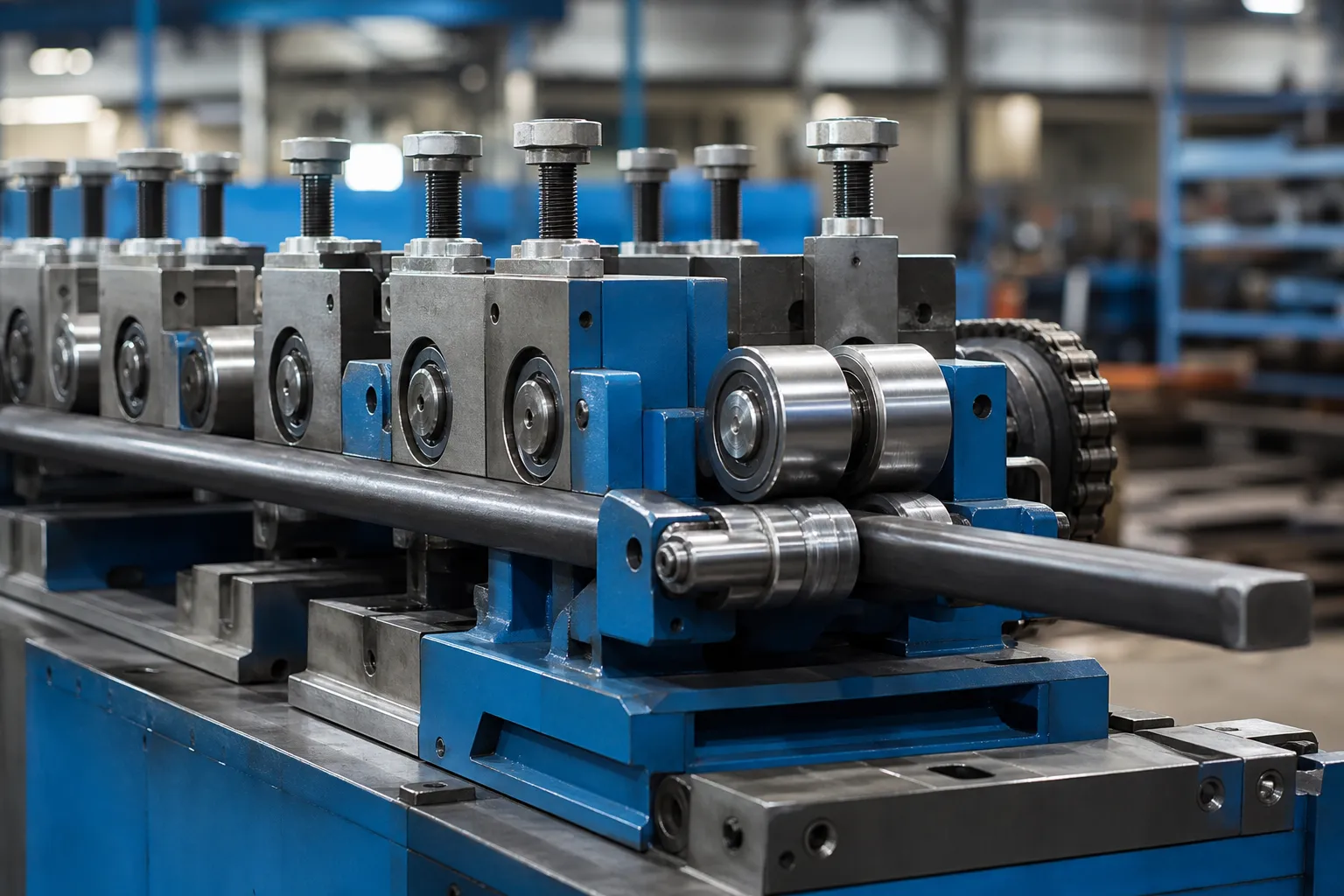
*Techniek concept illustratie. Het is geen materiële test, stressmodel of geverifieerde straightening-uitkomst.*
Wat het fysieke effect is
In duidelijke bewoordingen: een metaal dat plastisch in de ene richting is gebogen, geeft gemakkelijker mee als het vervolgens in de andere richting wordt gebogen. Op een spanning-rekcurve, een balk die voorbij de opbrengst is getrokken, gelost, en vervolgens onder compressie belast, bereikt zijn nieuwe vloeigrens op een lagere waarde dan de oorspronkelijke trekvloei. De microstructurele reden is dat door plastische vervorming het kristalrooster gevuld blijft met dislocaties die zijn ingericht om verdere vervorming in de belastingsrichting te weerstaan.; wanneer de belasting omkeert, diezelfde opstelling helpt slip in de tegenovergestelde richting, dus de omgekeerde opbrengst begint vroeg. Het effect is het sterkst direct na de eerste omkering en verzadigt na enkele cycli, en het is meer uitgesproken in zachter, koolstofarme omstandigheden dan in zwaar geharde omstandigheden.
Er zijn twee consequenties die van belang zijn bij het rechttrekken. Eerst, de kracht-afbuigingsreactie van het materiaal is asymmetrisch ten opzichte van het teken van buiging: dezelfde drukslag die een bocht in één richting beweegt, produceert een andere permanente set dan de identieke slag die ertegen wordt toegepast. Seconde, elke ontlading laat een ingesloten toestand van micro-reststress achter, dus de “dezelfde” een deel is nooit twee keer hetzelfde materiaal als de correctie eenmaal is begonnen. Beide gevolgen drijven in de richting van dezelfde procesdiscipline – weinigen, gepland, goed gerichte correctieslagen in plaats van veel kleine achteruitrijbewegingen.
Wat dit betekent voor een correctieberoerte
Bij het rechttrekken wordt doorgaans uitgegaan van een herhaalbare relatie tussen de toegepaste correctie en de daaruit voortvloeiende beweging praktijk voor terugveringscompensatie. Het omgekeerd laden van de geschiedenis bedreigt precies die herhaalbaarheid. Denk eens aan de klassieke volgorde van over-corrigeren en terugdrukken: de eerste slag buigt de sectie plastisch, de tweede slag buigt het terug. Omdat het materiaal in omgekeerde richting eerder meegeeft, de tweede slag heeft minder kracht nodig om het onderdeel evenveel te verplaatsen, en een controleroutine die is gekalibreerd op de reactie van de eerste slag zal voorbijschieten. Elke extra omkering verergert de drift en accumuleert laagcyclische vermoeidheidsschade in de sectie, dat is het mechanisme dat onzorgvuldige correctiereeksen verbindt met de besproken scheurrisico's overmatig rechttrekken en barsten.
De praktische regels die volgen zijn kwalitatief maar stevig. Plan de correctie zo dat elke locatie plastisch in één overheersende richting wordt bewerkt, niet gepingpongd. Stel de herbewerkingslimiet in vóór de eerste slag (het aantal correctiepogingen dat een onderdeel mag ontvangen) en dwing deze af via de NOK sorteren en herwerken beperken discipline. En wanneer een proces zodanig is afgedreven dat dezelfde nominale fout nu zichtbaar meer of minder slagen nodig heeft dan bij de kwalificatie, behandel de verandering als een materieel signaal om te onderzoeken, niet als een knop om af te stemmen.
Waarom omgekeerd laden belangrijk is
Het kan zijn dat een onderdeel tijdens het walsen vervorming heeft opgebouwd, tekening, vormen, warmtebehandeling, bewerking, transport of een voorafgaande correctiestap. Bij een richtproces wordt omgekeerd buigen toegepast, de reactie kan afhangen van die geschiedenis, maar ook van de huidige materiële toestand en geometrie. Dit is de reden waarom een bochtkaart alleen geen veilig correctievenster oplevert.
| Factor | Proefvraag |
|---|---|
| Materiaalkwaliteit en staat | Is de toepasselijke voorwaarde gedocumenteerd?, niet aangenomen? |
| Voorafgaand vormen/tekenen | Kan de vervormingsgeschiedenis per kavel verschillen?? |
| Fase van warmtebehandeling | Is correctie in dit stadium toegestaan?? |
| Doorsnede/geometrie | Varieert de stijfheid per onderdeel?? |
| Oppervlakte/functionele kenmerken | Zijn er beperkingen op het gebied van contact- of barstrisico?? |
| Vorige bewerking | Heeft omgekeerd laden al plaatsgevonden?? |
Gebruik het als proefplanningsconcept
Het concept moet leiden tot betere records, geen ongefundeerde beweringen. Registreer de inkomende toestand, materiaal/partij, productiefase, initiële kaart, correctievolgorde, vrijgegeven meting, oppervlakteobservatie en herbewerkingsstatus. Verander tijdens de ontwikkeling één gecontroleerde factor tegelijk en extrapoleer niet van een gemakkelijk exemplaar naar een andere onderdeelfamilie.
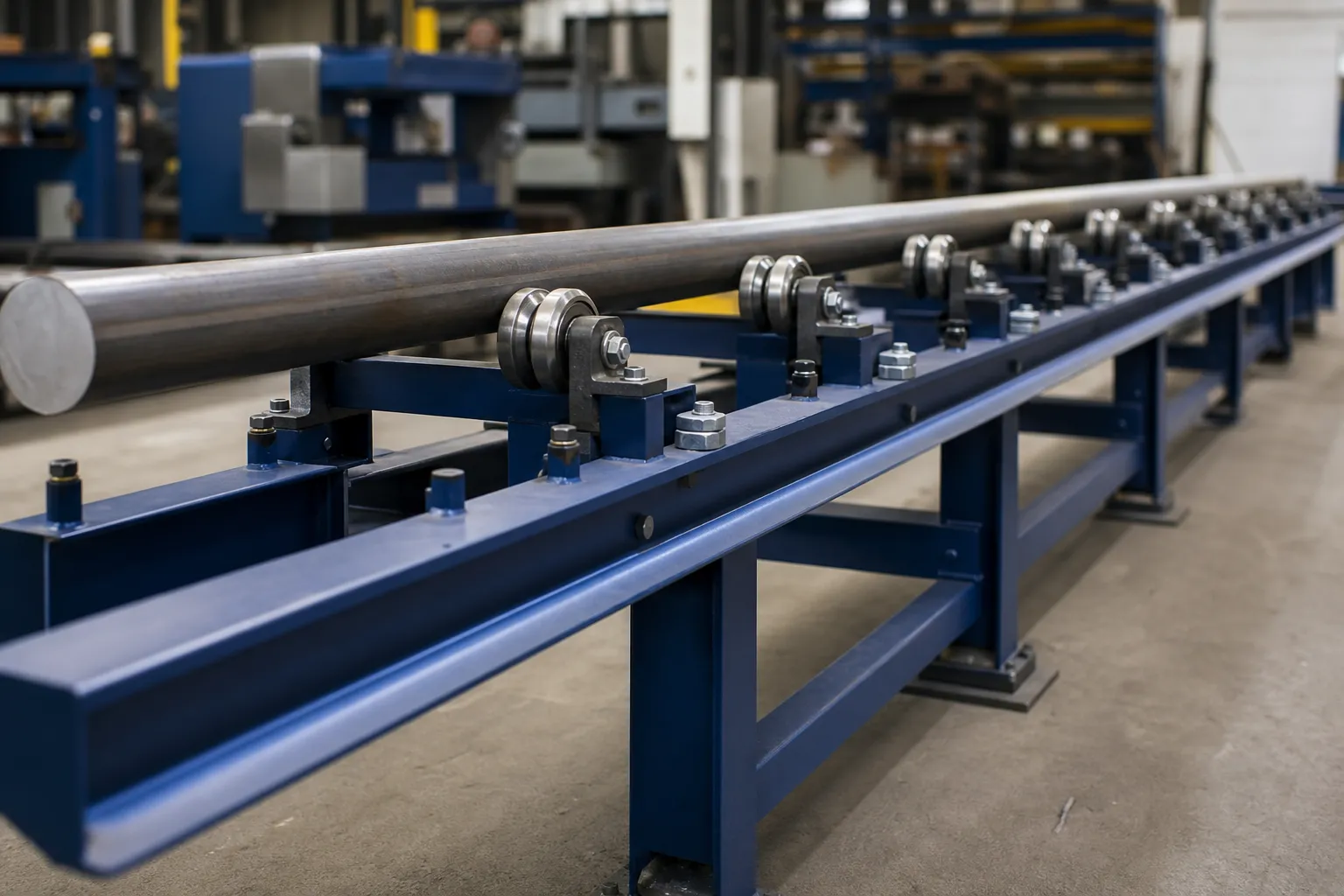
*Techniek concept illustratie. Steun, contact- en materiaalgedrag vereisen onderdeelspecifieke technische beoordeling.*
Noem een resultaat niet “Bauschinger-gecontroleerd”, tenzij een gekwalificeerd materiaal-/procesonderzoek precies definieert wat dat betekent. De term vervangt geen tekenvereiste, materiaal certificaat, breukbeoordeling of goedkeuring door de klant.
Waar de laadgeschiedenis zich verbergt in echte delen
De gevoeligheid voor omgekeerd laden vereist geen eerdere richtbewerking; de meeste onderdelen worden geleverd met een geschiedenis die er al in is geschreven. Staven en draad ondergaan directionele vervorming door rollen en trekken, dus hun buigreactie verschilt met de oriëntatie ten opzichte van de freesrichting. Warmtebehandelde onderdelen dragen afschrikvervorming plus het resterende spanningsveld van de behandeling met zich mee, en elk rechttrekken dat bij de warmtebehandelaar wordt uitgevoerd, telt als voorgeschiedenis voor de later uitgevoerde correctie - de faseringsvragen die worden behandeld onder rechttrekken na warmtebehandeling. Lange, slanke onderdelen accumuleren transport- en klembochten, en een onderdeel dat al één herbewerkingscyclus heeft doorlopen bij een leverancier, komt voorgefietst aan. Zelfs binnen één gekocht lot, verschillende staaflengtes kunnen afkomstig zijn van verschillende walserijen met verschillende geschiedenissen, Daarom kan een correctieopstelling die op de eerste stukken van een partij werkt, zich op de laatste stukken misdragen.
De tegenmaatregel is informatief, niet mechanisch: materiaal en lotidentiteit vastleggen, de productiefase, en eventuele eerdere correctierecords naast de binnenkomende geometriekaart. Die gegevens kosten bij ontvangst vrijwel niets en zijn het verschil tussen een driftonderzoek dat een middag duurt en een onderzoek dat helemaal niet kan worden afgesloten.
Het effect in productiegegevens lezen
Omdat het effect niet aan het onderdeel te zien is, het kondigt zichzelf aan via patronen in de procesdata. De signalen waar we op moeten letten zijn eerder structureel dan numeriek: het aantal correctieslagen dat nodig is om dezelfde binnenkomende fout tijdens een run omhoog of omlaag te laten kruipen; delen die rond nominaal oscilleren over afwisselende slagen in plaats van te convergeren; vrijgegeven metingen die naar de andere kant van de tolerantieband omslaan na correctiesequenties die historisch gezien gecentreerd landden; en lot-tot-lot verschillen in correctiegedrag zonder verandering in de machine-instellingen. Geen van deze patronen is op zichzelf een bewijs van gedrag met omgekeerde opbrengst; elk patroon heeft nabootsingen van afmetingen en armatuur, dat is de reden waarom de datum- en peilcontroles op de eerste plaats komen – maar samen rechtvaardigen ze het trekken van een monster dat opzij is gezet voor een gecontroleerde materiaal-en-geschiedenisbeoordeling in plaats van door te gaan met het aanpassen van de machine.
Scheid materiaalgedrag van meetfouten
Een onverwacht vrijkomend resultaat kan voortkomen uit een materiële reactie, maar ook vanaf nulzitplaatsen, naleving van de armatuur, steun/koffer, ijkcorrelatie of een onvolledige foutenkaart. Controleer deze factoren voordat u de oorzaak aan reverse-yield-gedrag toewijst. Zien herhaalbaarheid van de armatuur en nulstelling En meetonzekerheid bij rechtheidinspectie.
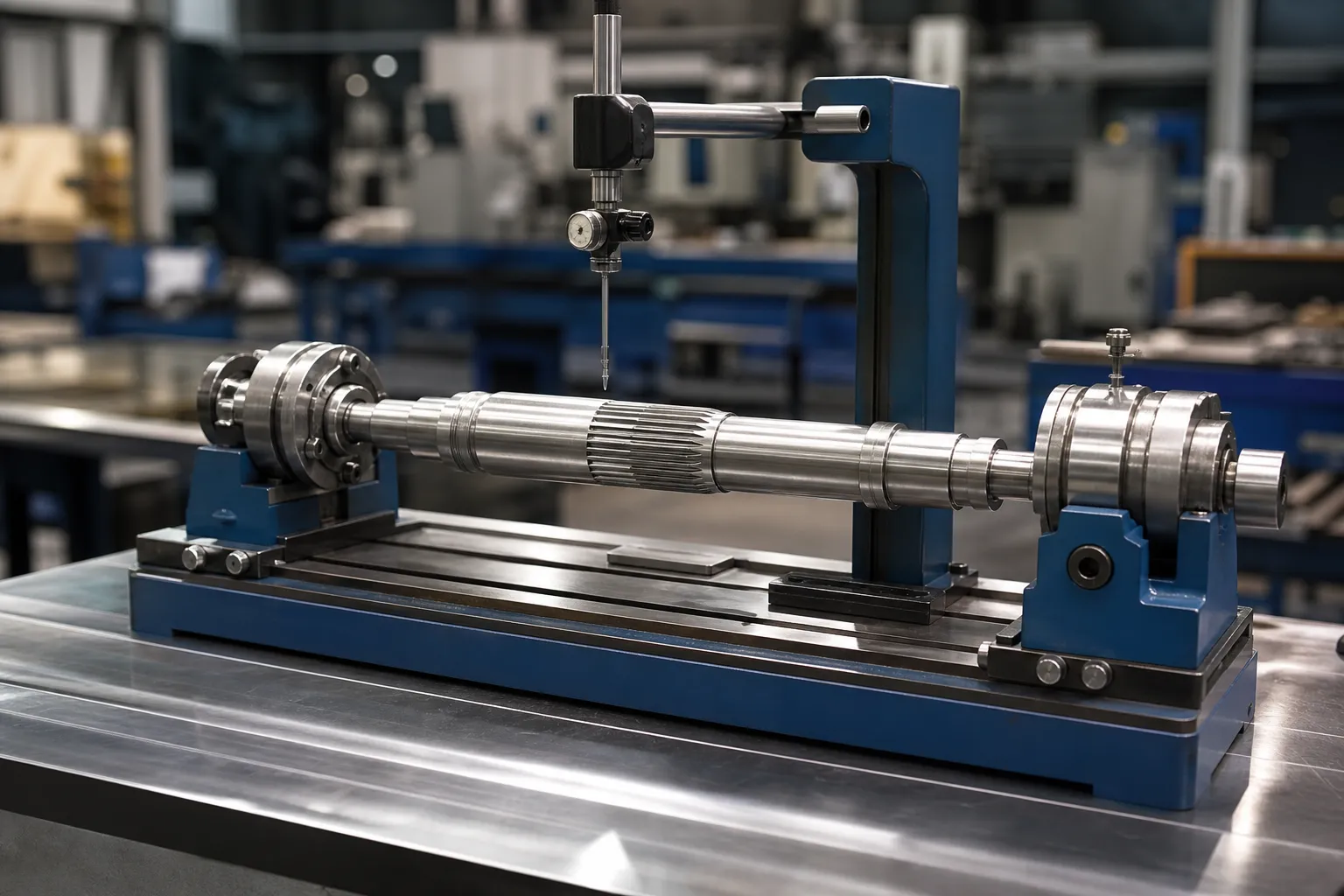
*Techniek concept illustratie. De goedgekeurde meetmethode voor de vrijgegeven toestand bepaalt het te rapporteren resultaat.*
Bewijs nodig voordat claims worden verwerkt
Tekening/revisie aanleveren, materiaalspecificatie en staat, geschiedenis van de productie, fase van warmtebehandeling, eerdere correctie-/herbewerkingsrecords, inkomende geometrie, oppervlaktebeperkingen, geaccepteerde meetmethode en representatieve monsters. Gebruik rechttrekken na warmtebehandeling om de podiumcontroles te verduidelijken en rechttrekken monstertest en acceptatie proeven plannen. Dan Neem contact op met StraighteningTech voor discussie.
Vereiste validatie vóór een systeemclaim
Elke claim over materiaalgedrag heeft een gedefinieerd materiaal- en procesbereik nodig, gekalibreerde referenties, representatieve warmtebehandelde monsters, en herleidbare meetgegevens. Een generieke machinemogelijkheid is geen geverifieerd resultaat voor dit onderwerp.
Veelgestelde vragen
Maakt het Bauschinger-effect het rechttrekken van eerder gebogen onderdelen onmogelijk??
Nee. Het maakt de responsgeschiedenis afhankelijk in plaats van vast. Processen gaan hiermee om door correcties te plannen die elke locatie voornamelijk in één richting bewerken, beperking van het aantal correctiecycli per onderdeel, en het valideren van de correctieregel op representatieve onderdelen die dezelfde geschiedenis met zich meedragen als de productie.
Waarom schiet het naar achteren drukken vaak te ver?
Omdat de omgekeerde slag een materiaal tegenkomt dat meegeeft bij een lagere spanning dan de voorwaartse slag. Een kracht of diepte die is gekalibreerd op de voorwaartse respons levert daarom in omgekeerde richting te veel op. De remedie is een aparte, kleinere correctieregel voor omgekeerde slagen, of beter, een error-map-strategie die voorkomt dat dezelfde locatie herhaaldelijk wordt omgekeerd.
Kan een correctie-opstelling ongewijzigd worden overgedragen naar een nieuwe materiaalpartij?
Alleen met bewijs. Verschillende molenhittes kunnen verschillende vervormingsgeschiedenissen en omstandigheden met zich meebrengen, de eerste stuks van elke nieuwe partij moeten dus als bevestigingsmonster worden behandeld: als het correctiegedrag overeenkomt met de gekwalificeerde basislijn, doorgaan; als het verschuift, opnieuw kwalificeren voordat u gaat rennen. Dit is de standaardpraktijk voor het beheren van de besproken terugveervariatie terugveringsvariatie tussen batches.
Gerelateerde StraighteningTech-bronnen
Zien hoe het automatisch richten van de as werkt, rechttrekken monstertest en acceptatie En rechtheid van de as vs. slingering vs. TIR voor generieke controlegrenzen die van toepassing zijn vóór enige claim op capaciteit Bauschinger-effect bij het rechttrekken.