
Ko te whakatikatika i te reriwe arataki ara he mahi hangahanga-hangahanga. He rereke mai i te whakahāngai i nga reera kua whakauruhia ki roto i te arai. Ko te huarahi whakaputa me whakahaere i te waahanga tereina, mata tohutoro, roa, kopere, taha taha, takahurihuri, te ahua o te mata me nga hononga ki te miihini, te tirotiro me te takai.
Ko tenei aratohu he anga mahi hanga-hanga. Karekau e kii ana kei te whakahaere a StraighteningTech i tetahi tohu reriwe, roa, reiti whakaputa, te whakaae ranei. Ko aua tohu me arotake tuhi, rail māngai, whakaaetanga ine me te tukanga tauira whaimana.
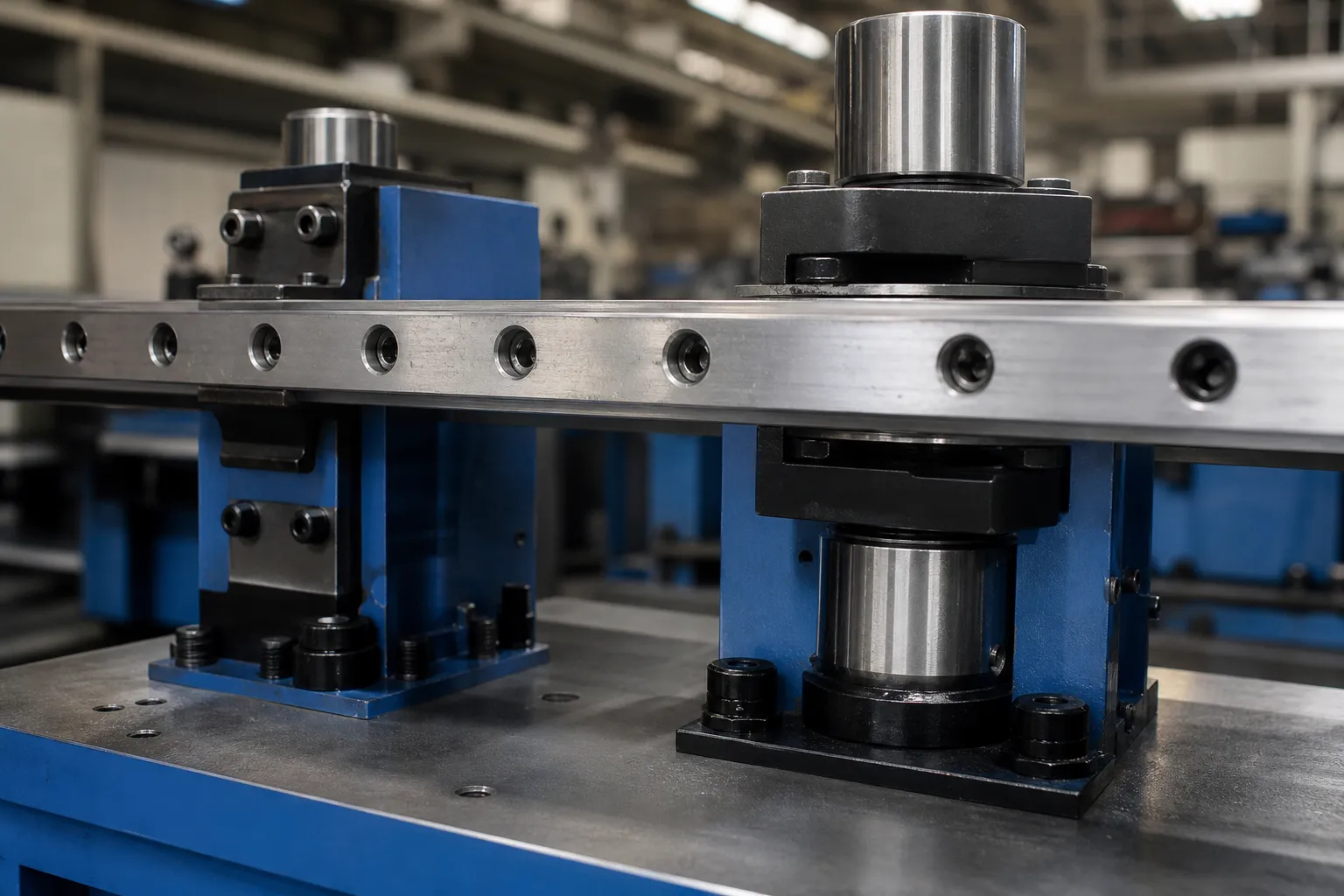
*Whakaahua aria hangarau. E whakaatu ana i tetahi tukanga reriwe-waahanga kaitono, ehara i te ratonga whakatikatika hiki-whakaeke, he rekoata miihini kua tukuna.*
Wehe i te Tirohanga Hangahanga Mai i te Tirohanga Whakauru
Ko nga hua rapu mo nga miihini reriwe arataki ararewa kei roto nga kaiwhakatikatika, raina whakaputa arataki-tereina me nga patai whakaurunga. Ko te patai whakangao mena ka tutuki te reriwe kua tukuna ki nga whakaritenga geometric whakahaere i muri i te tangohanga o nga mana whakatikatika. E pa ana ki te whare te whakatikanga whakaurunga, taiapa, nga hononga me te rangahau mara. E hiahia ana ratou ki nga punaha inenga motuhake, kaua hoki e whakakotahi ki te korero whakaae kotahi.
| Te whānuitanga | Putanga mana whakahaere | Kaua e whakakapi |
|---|---|---|
| Te hanga tereina | Wāhanga āhuahanga, kopere roa, taha taha, whiri me te ahua o te mata | He paramu mara, mokowhiti reriwe ranei |
| Te whakaurunga-raina | Whangai, whakatikatika, tapahi, mahi miihini, te tirotiro me te atanga taake | He oati ka tukuna ia whirihoranga raina |
| Te whakaurunga arai | Taiapa, te whakakotahi me te poutū i roto i te whare | He hua whakatika wheketere |
Ko te hanganga maakete e tautoko ana i tenei wehenga: Ko Senbo e whakaatu ana i nga taputapu whakatikatika arataki-tereina i te wa e whakaatu ana a Co-effort i te whānuitanga o nga raina-whakaputa-rerewhana. A useful site architecture keeps the workpiece solution separate from an elevator guide rail production-line buying guide.
Kei roto i nga kaupapa hangahanga hangahanga te whakatika i te tereina arataki a reriwe whakatikatika. Ka hiahia ratou ki a raatau ake waahanga, te arotake me te tukanga arotake; ehara hoki i te mea hei whakakapi mo te tohu reriwe ararewa.
Tautuhia te Wāhanga Rerewei, Datum me te Mahere Hapa
Ko te "whakatika rerewe" kaore i oti tae noa ki te waahanga, mata tohutoro, kua whakahuahia te roanga me te inenga. Ka taea e te ahua-T, tetahi atu tohu hangarite ranei te whakaatu i te kopere poutū, tahia taha me te whiri i te wa ano. Ka taea hoki e te tauira tautoko te hanga ahuahanga kitea mena ka totohu te reriwe ki raro i tona ake papatipu, ka okioki koretake ranei.
Me whakatio te arotake engineering:
- tuhi tereina, rerekē kōtaha, te roa me te waahi hangahanga;
- mata tohu, nga waahi tautoko me nga waahi whakapaipai me nga waahi tiaki mahi;
- te ahuatanga whakaae mo ia rererangi me te tikanga e whakamahia ana hei tatau;
- kei te whakahaeretia te miro, pehea te taupūtanga o te whakatakotoranga, me pehea te mahi rereke o te waahanga;
- tohatoha hapa taumai, tikanga whakahaere me te ine tohutoro me te taputapu tirotiro;
- mahi miihini, tapahi, hono, te tarapi me nga atanga whakararo ka taea te whakahoki ano i te paheketanga.

*Whakaahua aria hangarau. Ka whakaatu i te huarahi inenga roa-katoa; nga turanga pūoko tūturu, me whakamanahia te roanga me te datum mo te whanau tereina.*
Where Rail Distortion Comes From
A guide rail accumulates its geometry story long before it reaches a straightening station. Rolling leaves residual stress through the section, unevenly distributed between the head and the web of the profile; cooling on the mill bed adds its own field. Straightening performed at the mill counts as history — a rail that was rotary-straightened upstream arrives with its deformation budget partially spent and its response to further correction altered, the reverse-loading behavior covered for te pānga Bauschinger. Cutting to length releases constraint at the ends, which is why end geometry often differs from mid-length behavior. Machining the guide faces removes surface material and lets buried stresses relax asymmetrically. And handling writes the final chapter: a long rail lifted at the wrong points, or stored standing under its own weight, collects bends that no upstream process intended. Each source predicts its own signature — where peaks sit, whether sweep or twist dominates — and reading that signature from the incoming map is what turns correction from generic pressing into a planned route.
The T-Section’s Mechanical Personality
An asymmetric rail section is not a round bar with corners. Its stiffness differs by direction — bending about one axis of the profile meets much more resistance than about the other — so vertical bow and lateral sweep are not two readings of one problem but two different mechanical responses, each with its own correction economics. The open profile is also torsion-sensitive: modest twist about the longitudinal axis displaces the guide faces at the ends in opposite directions, which is why a rail can measure acceptably for bow at every station and still present a twisted functional surface to the car shoes. And the guide faces themselves are the functional product: they are where contact is both mechanically necessary for measurement reference and cosmetically or functionally restricted, the tension that makes mahi taputapu tiaki-mata and conservative contact-zone choice — as the section above demands — inseparable from the geometry plan. The same asymmetry-first logic governs the structural profiles discussed for I-beam and H-beam straightening.
Kopere ine, Horoi me te Miro hei Tohu Rerekē
Ka taea e te reriwe te titiro tika ki tetahi tirohanga engari ka taka ki tetahi atu. Me mapi te tukanga i nga teihana me nga tohutohu kua whakaaetia i mua i te whakatikatika. Kopere poutū, ko te tahia taha me te whiri me penapena hei ahuatanga motuhake, kaua e honoa ki te uara "piko" whanui.
| Te ahuatanga | Uiui ine | Ko te hua o te hangarau |
|---|---|---|
| Kopere poutū | Ko tehea taurangi me te whanganga e tohu ana i te hua? | Ka whakatau i te tautoko me te ahunga whakatika |
| Horoi taha | Kei te tohutoro tonu te mata tukutuku, kaiarahi ranei? | Ka hiahia pea ki te whakatikanga rereke |
| kopikopiko | Ko ēhea kanohi ka whakarite i te takotoranga koki? | Kaore e taea te whakatau mai i tetahi rangahau raina |
| Te tohu tohu | Ka whakarereketia te panuitanga e te nohonga, te whakarereke ranei i te tauira tautoko? | Me arotake tatūnga i mua i te whakatikatika |
Ko nga take tautoko-roa. Ko te mapi ine ka huri i te wa e nekehia ana nga tautoko, ehara ano i te mapi whakatika pono. No reira me wehewehe te kaiarahi i te whanonga kore-kore mai i te ahuatanga tautoko e whakamahia ana e te tuhi me te tirotiro a nga kaihoko.
Kōwhirihia nga Rohe Whakapā me te Whakatikatika
Ko te whakatikatika a te kaitono ka uru ki te pehi tohu, whakatikatika takahuri tetahi atu tikanga motuhake-waahanga ranei. Ko te kowhiringa ka whakawhirinaki ki te ahuahanga tereina, huru rauemi, tauira hapa, nga waahi whakapā e waatea ana me te arotake morearea-mata. Ko te raupapa whakatika ira mo te rakau porowhita kaore e taea te kape noa ki te reriwe hangarite..
I mua i te whakawakanga, tautuhia nga tautoko kua whakaaetia, ara tauhohenga, nga tohu uta, rauemi whakapā tiaki, nga mana whakatakotoranga me nga nganatanga whakatika morahi. Kaua e toha ki runga i te mata na te mea e waatea ana. Nga kanohi kaiarahi miihini, mata tohutoro, Ko nga ahuatanga hononga me nga waahi whakapaipai ka hiahiatia he whakamarumaru, ka aukatihia ranei hei tohu whakapiri.
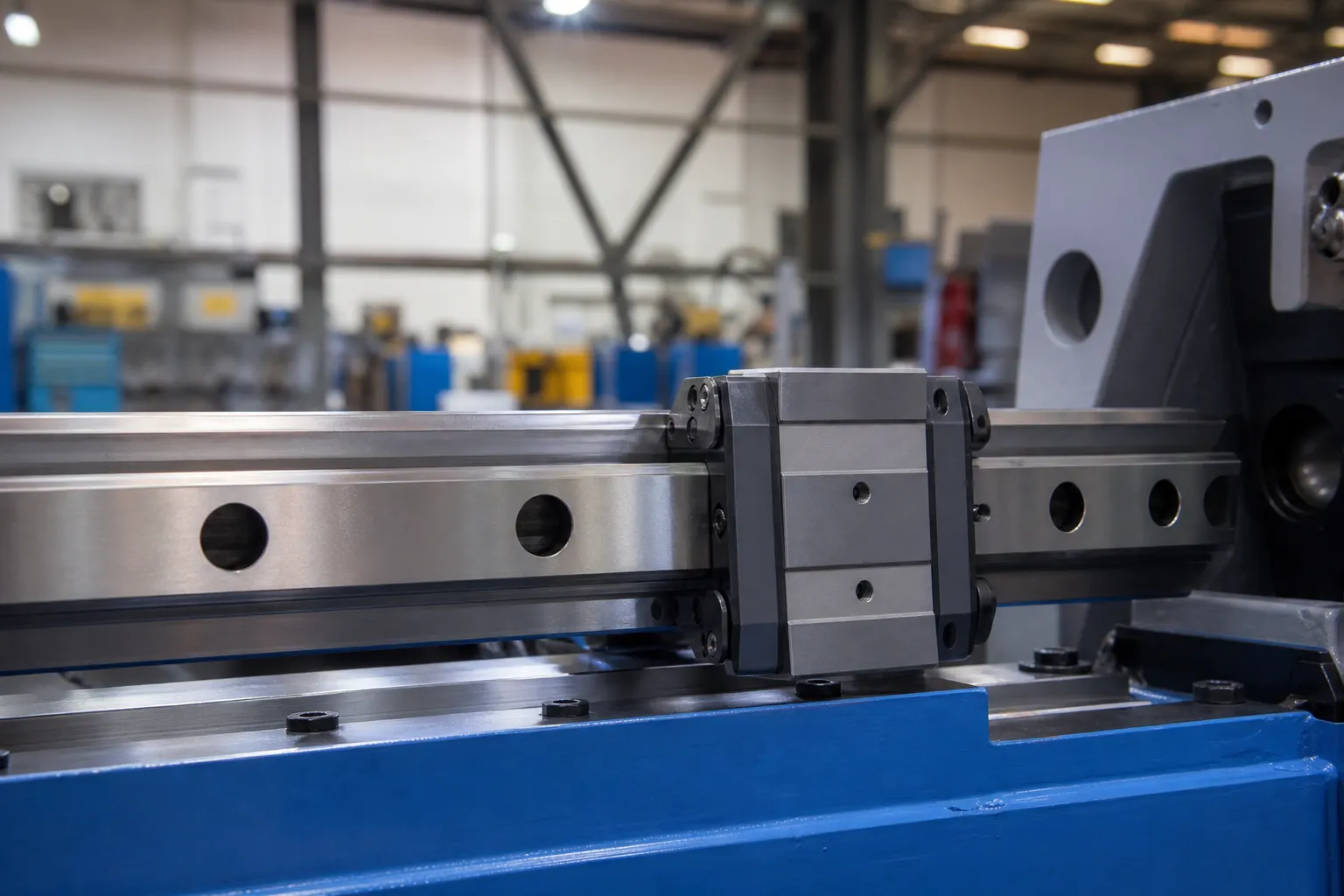
*Whakaahua aria hangarau. Ka wehewehe i te raruraru whakatika koki mai i te pehi poutū noa; kare e whakaatu ana he reriwe, miihini ranei e tautoko ana i te whakatikatika i te toronga.*
Whakamahia he Ine–Tiki–Tuku–Whakaatuhia
Ko te whakatau whakaaetanga whakamutunga me noho ki runga i te reriwe kua tukuna. Ko te panui rangitahi i te wa e mau ana te reriwe e te taputapu, i raro ranei i te kaha whakatikatika, kaore e whakaatu te ahuahanga whakamutunga.
- te tautuhi i te whanau tereina, whakahounga tuhi me te wahanga hangahanga;
- tirohia mo te kino, kōtaha hē, te ahua o te mata kaore i whakaaetia, te whakarereketanga o waho ranei;
- utaina te waahanga ki te whakatakotoranga kua whakaaetia me te manatoko i nga nohoanga tautoko;
- kapohia te poutū, mapi hapa taha taha me te koki e hiahiatia ana e te mahere whakaaetanga;
- tīpakohia te mahere whakatika e whakaaetia ana ka tiakina nga rohe kore-whakapā katoa;
- whakamahia te whakatikatika i roto i te rohe kua whakaaetia;
- tukuna te kaha me te aukati katoa;
- reasure, te rekoata me te ara i nga reera kaore e ahu whakamua ki te arotake miihini.
Hangaia te Tauira Whakamātautau huri noa i te Mehua Kiritaki
The sample plan should compare the machine method with the customer's controlled reference method. Me whakauru mai nga reera taumai me te kino rawa atu, tukurua nga arowhai tatūnga, nga panui-a-iwi kua tukuna, tirotiro mata, te whaiwhai me te huarahi kua tautuhia mo nga reera e hiahia ana ki te whakatikatika, ka kore ranei e whakautu.
| Tuemi whakaaetanga | Ko nga taunakitanga e hiahiatia ana i mua i te kereme whakaputa |
|---|---|
| Kopere, tahia ka whiria | Ko nga panui i mua/i muri i te mata ka herea ki te tuhi i nga tohu me nga whanganga |
| Te tukurua o te whakatika | Whakahokia te ako me te rekoata ahuatanga tautoko |
| Parenga mata | Kua whakaaetia nga paearu tirotiro me nga whakaahua me nga ripoata |
| Te whakahaere me te atanga raina | Te whakawhiti tika, te whakatakotoranga me te arotake haumaru |
| Te whakaputa me te aunoatanga | Kua whakaritea te taima, oma whakamana mo te whanau tereina kua whakaaetia |
Ko nga korero e hiahiatia ana mo te Tirohanga Rerewhara Aratohu Arataki
Whakaratohia te tuhi reriwe whakahaere me nga momo waahanga, roa, rauemi me te wahanga hangahanga, raraunga āhuahanga taumai, Datum me te tikanga whakaae, te tautoko me nga waahi whakapiri, whakaritenga mata, taumata hanga, te whakahaere i nga here me nga reera tohu. Ka taea e StraighteningTech te arotake i te inenga kaitono, te tautoko me te hoahoanga whakatika me te tautuhi i nga taunakitanga whakamatautau-tauira e hiahiatia ana i mua i te whakatakotoranga miihini.
FAQ
He aratohu whakatikatika-whakatikanga ararewa tenei?
Kao. Ko tenei wharangi kei runga i te wheketere hangahanga wheketere. Te tirohanga ara, Ko nga awhi me te whakaurunga mara me whai waahi motuhake.
Ka taea e tetahi teihana whakatika te kopere me te whiri?
Ehara i te aunoa. Kopere, ko te tahia taha me te whiri ka hiahiatia he tohu tohu motuhake, ara inenga me te whakamana whakatika.
Ka whakaaetia he reriwe i te wa e rawhi ana?
Kao. Ko te whakaaetanga me whai i nga tikanga kua whakaaetia. Ka taea e te awhi te huna i te tuara o te tuara, te sag ranei.
Ka taea te waahanga, te roa, te wa huringa ranei ka tohua mai i tenei tuhinga?
Kao. Ko aua uara me te whanau tereina manatoko, te kaha miihini, te arotake taputapu me te whakamatautau tauira.
Why does the same rail profile distort differently across lots?
Because mill rolling conditions, cooling bed position, upstream straightening history and storage all vary lot to lot, and each writes a different residual-stress pattern into the section. The practical response is per-lot incoming mapping rather than a single inherited correction recipe.
Is point pressing or roll straightening better for guide rails?
Neither is a default. Point pressing suits discrete, mapped peaks on an asymmetric section with defined contact zones; roll methods suit continuous correction of compatible sections at volume. The boundary between the routes — and the sample-test evidence each demands — follows the press versus roera whakatika comparison, applied with the rail’s protected faces in view.
How does twist show up when only linear probes are used?
As opposing displacement of the same face at opposite ends — a reading pattern that looks like contradictory bows from a single probe track. Confirming twist needs orientation-aware measurement on defined faces at multiple stations, which is why the error map stores bow, sweep and twist as separate characteristics rather than one combined value.
Moving from manual elevator guide rail correction toward automation? Ko te he aratohu whiriwhiri mo nga toka, ngongo me nga korero me te rārangi arowhai FAT mīhini whakatika are the natural next steps.