
Paviršiaus apsauga tiesinant yra inžinerinis sprendimas, ne tik pridedant minkštą pagalvėlę. Ruošinio medžiaga, skyrių, baigti, danga, tepimas, kontaktinė geometrija, jėgos kelias, įrankių švara ir nusidėvėjimo būklė gali turėti įtakos žymėms, išlyginimas, vietiniai pažeidimai ir procesui valdyti naudojamas geometrijos signalas. Kontaktinis metodas, priimtinas vienai juostai, viela arba velenas gali būti nepriimtini dengtam vamzdžiui, tikslumo žurnalas, profilio kampas arba baigtas įrankis.
Šiame vadove paaiškinama patvirtinimo sistema. Ji neteigia, kad „StrighteningTech“ turi tam tikrą ritininę medžiagą, danga, griovelio forma, slėgio riba arba ruošinio paviršiaus galimybė. Šiems daiktams reikalingi įrodymai iš faktinių įrankių ir reprezentatyvių pavyzdžių.
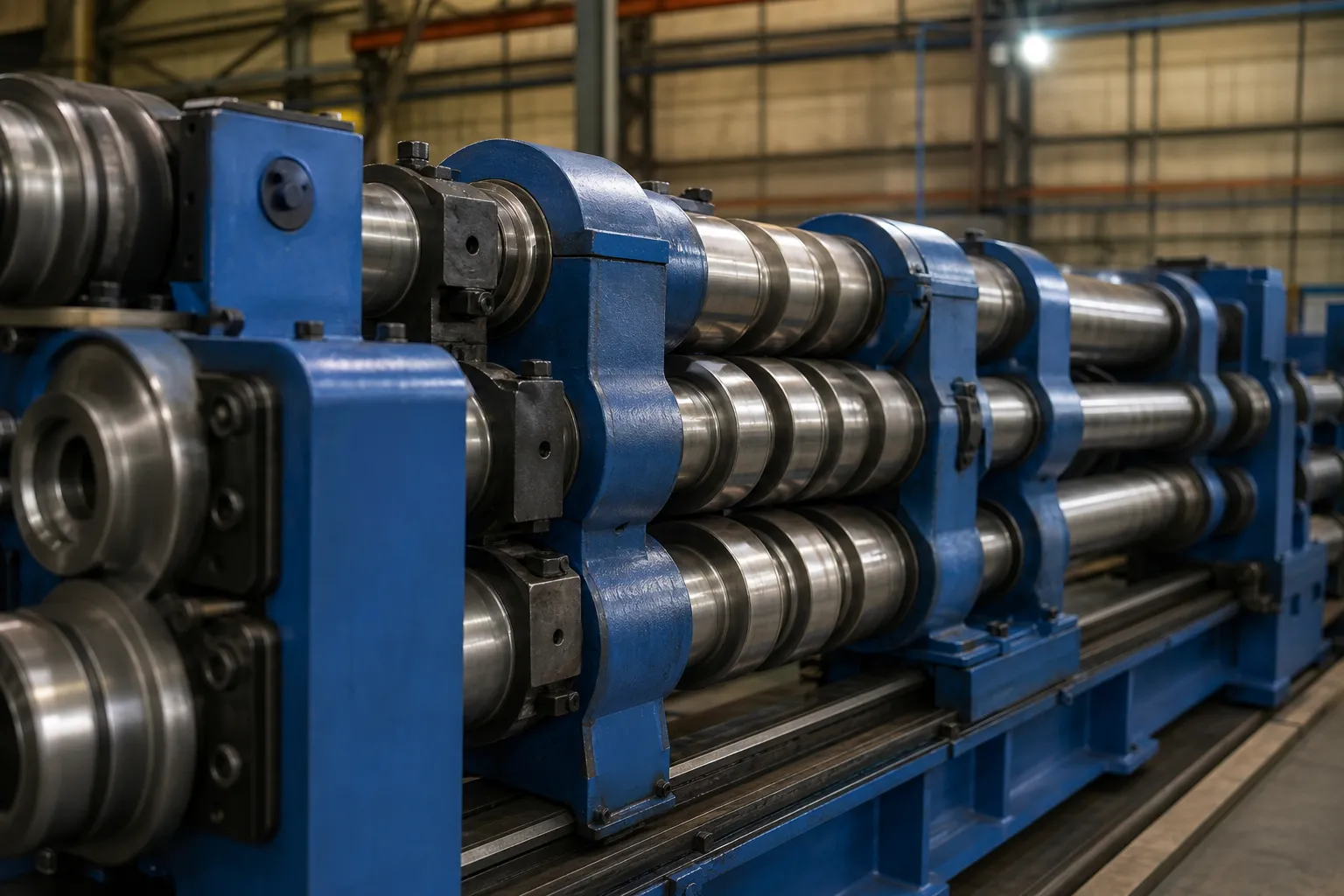
*Inžinerinės koncepcijos iliustracija. Tai rodo, kad dangos apsauga yra specifinio ruošinio patvirtinimo problema, nėra patvirtinto universalaus griovelio ar kontaktinės medžiagos įrodymų.*
Prieš teismą, dokumentuokite įrankio tapatybę, medžiaga/apdaila, kur žinoma, kontaktinė geometrija, nustatymo vieta, lygiavimas, valymo būdas, tepimo sąlyga, jei taikoma, apžiūros standartas ir pakeitimo/susidėvėjimo riba.
Iš kur iš tikrųjų atsiranda ženklai
Paviršiaus pažeidimai tiesinant turi trumpą fizinių priežasčių sąrašą, o jų įvardijimas yra pirmas žingsnis jų valdymo link. Normalus kontaktinis slėgis tarp įrankio ir ruošinio, padauginta iš bet kokio santykinio slydimo, gamina klasikinę liudininkų liniją. Kontaktinėje zonoje įstrigusios šiukšlės – apnašos, traškučiai, šlifavimo drožlė – įprastą spaudimą paverčia įdubimu ir įbrėžimu, Štai kodėl švara yra proceso kintamasis, o ne namų tvarkymas. Kontaktinė geometrija, kuri sutelkia apkrovą į kraštą arba spindulį, kuris yra per mažas sekcijai, padidina vietinį įtempį, daug didesnį už tai, ką rodo vidutinė jėga.. Ir viršijant kiekvienai medžiagai ir terminio apdorojimo būsenai būdingą slenkstį, vietinis plastikinis įdubimų arba pačios pjūvio išlyginimas visam laikui keičia paviršiaus geometriją. Sumuštas kampas ant profilio arba išlyginta zona ant plonos sienos yra geometrijos defektas, ne tik kosmetinis.
Kiekviena iš šių priežasčių turi atsakomąją priemonę, kuri priklauso nuo įrankių projektavimo ir proceso disciplinos: paskirstyti jėgą per didesnes arba atitinkamas kontaktines sritis, pašalinkite slydimą sulygiuodami koregavimo eigą su atramos plokštuma, pašalinkite šiukšles atlikdami suplanuotą valymą ir dangčius, ir išlaikyti jėgas diapazone, kurį sekcija gali elastingai nešti. Nė vienas iš jų nėra padėklas. Minkšti įdėklai yra vienas pasirinkimas iš kelių, ir jie atneša savo kompromisus – minkštesnės kontaktinės medžiagos greičiau susidėvi, deformuotis esant nuolatiniams korekcijos ciklams, ir senstant gali pakeisti efektyvią atramos geometriją, kuris tyliai pakeičia korekcijos rezultatą.
Įrankių medžiagos ir kontaktų geometrijos sprendimai
Kontaktinių įrankių pasirinkimas yra trijų krypčių prekyba tarp paviršiaus apsaugos, paties įrankio matmenų stabilumas, ir dėvėti gyvenimą. Grūdinto plieno įrankiai ilgą laiką išlaiko griovelio geometriją, o matavimo ir korekcijos kilpą galima pakartoti, bet jis sutelkia kontaktinį stresą ir netoleruoja šiukšlių. Minkštesni spalvotųjų metalų lydiniai ir polimeriniai įdėklai sumažina vietinį įtempimą ir atleidžia mažas daleles, už greitesnį susidėvėjimą ir periodinį kontaktinės formos perkvalifikavimą. Konformalus kontaktas - griovelis arba balnas, suderintas su pjūvio spinduliu - paskirsto apkrovą, palyginti su plokščiu priekalo paviršiumi, ir dideli spinduliai ant kiekvieno krašto, galinčio liesti ruošinį, pašalina įtempių koncentraciją, sukeliančią mėlynes net esant vidutinei jėgai.
Dvi disciplinos daro tuos pasirinkimus patikrinamus, o ne įprastus. Pirma, kiekvienam įrankių elementui reikia tapatybės: medžiaga, kontaktinę formą, ruošinio zonas, kurioms jis yra patvirtintas, ir nusidėvėjimo riba, nurodyta kaip išmatuojamas kriterijus – griovelio profilio nuokrypis, matomas įterpimas, įdėklo matmenų pakeitimas – ne kaip teismo sprendimas. Antra, bet kurio kontaktinio komponento pasikeitimas yra proceso pasikeitimas: pirmosios dalys po ritinio keitimo, įdėklo atnaujinimas arba peršlifuotas priekalas pagal tas pačias mėginių tyrimo įrodymų taisykles, kaip ir nauja sąranka, nes paviršiaus ir geometrijos rezultatas turi būti patvirtintas dar kartą, nepritariama. Tai yra tie patys pokyčių kontrolės įpročiai mašinos FAT kontroliniai sąrašai vykdyti priėmimo metu, taikoma kasdien.
Laikykite įrankius švarius ir kontroliuokite nusidėvėjimą
Įterptos šiukšlės, susidėvėję grioveliai, pažeisti ritinėliai, neteisingas išlygiavimas ir nenuoseklus reguliavimas gali sukelti žymes arba klaidinančios geometrijos. Apsaugos plane turėtų būti nurodytas tikrinimo dažnumas, valymo būdas, dėvėjimo kriterijai, įrankio keitimo kontrolė ir pakartotinė kvalifikacijos patikra po to, kai buvo pakeista kontaktinė dalis. Nereikėtų pasikliauti vaizdiniu teiginiu, kad įrankiai „atrodo gerai“.

*Inžinerinės koncepcijos iliustracija. Jame saugomas kontaktas vaizduojamas kaip inžinerinis reikalavimas; jis nenustato vietinės ritininės medžiagos, slėgio riba arba paviršiaus kokybės garantija.*
Patvirtinkite paviršių ir geometriją kartu
Paviršiaus apsaugos negalima patvirtinti tik patikrinus, ar nėra matomų įbrėžimų. Pavyzdžio bandymas taip pat turi patvirtinti numatytą geometriją pagal patvirtintą atskaitos tašką ir išjungtą būseną. Maršrutas, kuris apsaugo paviršių, bet negali atitikti reikalaujamos geometrijos, nepriimtinas; trasa, kuri atitinka geometriją, bet pažeidžia funkcinę dangą, nepriimtina.
| Patvirtinimo elementas | Reikalingi įrodymai |
|---|---|
| Kontakto vieta ir reakcijos kelias | Įrankių / sąrankos įrašas, susietas su piešimo zonomis |
| Paviršiaus būklė | Sutartas patikrinimo metodas prieš ir po korekcijos |
| Geometrijos rezultatas | Išleistos būsenos rodmenys patvirtintame atskaitos taške / matuoklyje |
| Įrankio pakartojamumas | Pakartokite sąranką, švaros ir nusidėvėjimo patikra |
| Keisti valdymą | Identifikavimas ir pakartotinis patvirtinimas pakeitus ritinį / griovelį / įrankį |
Naudokite tiesinimo pavyzdžio bandymas ir priėmimas apibrėžti įrodymų paketą, ir presas prieš tiesinimą voleliu nustatyti, ar reikia įvertinti kitokį korekcijos metodą.
Jėgos kelias yra svarbesnis nei padėklas
Dažniausias paviršiaus apsaugos gedimas yra kontakto rizikos traktavimas kaip materialus klausimas, neatsižvelgiant į apkrovos kelią. Kur sėdi atramos, kur veikia spaudos punktas, ir kaip tos vietos yra susijusios su standžiomis sekcijos savybėmis, lemia, kiek jėgos pirmiausia reikia operacijai. Korekcinis smūgis, taikomas viduryje tarp plačiai išdėstytų atramų, reikalauja daug daugiau jėgos – ir palieka daug gilesnes liudininkų žymes – nei ta pati korekcija, taikoma atramoms arčiau korekcijos taško., net su identiškais įrankiais. Sulygiavus preso ašį su atramine plokštuma, kad dalis neslystų arba nesisuktų veikiant apkrovai, slydimo dalis visiškai pašalinama.. Asimetrinio standumo sekcijose, spaudžiant neteisinga kryptimi, lenkiant apkraunama plona sienelė ir susidaro vietiniai įlenkimai, kurių negali išvengti jokia įdėklo medžiaga.
Štai kodėl paviršiaus apsauga kuriama kartu su korekcijos planu, vėliau neprisegta. Klaidų žemėlapyje, kuriame naudojami pataisos taškai, taip pat turėtų būti pažymėtos zonos, kuriose kontaktas draudžiamas – baigti žurnalai, sandarinimo paviršių padengimas, poliruoti šonai – o įrankių išdėstymas turi turėti atramas ir presavimo taškus, kur sekcija gali nešti apkrovą. Kai tie du reikalavimai prieštarauja, Būtent tai yra signalas pereiti prie toliau aptartų alternatyvių maršrutų, vadovaudamiesi dispozicijos logika, naudojama kai NOK dalys rūšiuojamos ir perdirbamos.
Paviršiaus klasės ir jų jautrumas
Ne visiems paviršiams reikia vienodo apsaugos lygio, ir elgiantis su jais vienodai arba išeikvojamos pastangos, arba sugadinamos dalys. Žemiau esančioje lentelėje ruošinių paviršiai sugrupuoti pagal jų jautrumo tvarkykles ir patvirtinimo fokusą, kurio reikalauja kiekviena klasė. Tai yra pavyzdinio tyrimo planavimo priemonė, nepakeičia piešimo reikalavimų.
| Paviršiaus klasė | Jautrumo vairuotojas | Patvirtinimo dėmesys |
|---|---|---|
| Įžeminti arba pasukti žurnalai | Funkcinio skersmens matmenų ir formos tolerancija | Liudykite gilumą prieš toleranciją; geometrijos pakartotinis patikrinimas žurnale |
| Dengti arba dengti paviršiai | Dangos vientisumas; įtrūkimai ar sukibimas veikiant vietiniam įtempimui | Sutarta dangos patikra prieš ir po korekcijos |
| Poliruoti šonai ir kraštai | Kosmetiniai ir funkciniai šiurkštumo lygiai | Apibrėžtas apdailos palyginimo metodas, ne be pagalbos vizualinis sprendimas |
| Minkštos spalvotųjų metalų sekcijos | Mažas kietumas; nuolatinio išlyginimo rizika | Kontaktinio ploto ribos; sekcijos formos pakartotinis matavimas |
| Plonasienės sekcijos | Vietinis įdubimas ir ovalizacija nuo koncentruotos apkrovos | Atramos išdėstymas po standžiomis zonomis; apvalumo patikros po korekcijos |
| Funkciniai įrankių kraštai | Pjovimo geometrija ir briaunos paruošimas | Krašto būklės patikrinimas; korekcija tik nefunkcinėse zonose |
Pjovimo įrankių kotai ir rievės yra kraštutinis paskutinės eilės atvejis, dėl ko pistoleto gręžimo ir gilių skylių gręžimo tiesinimas kontaktinės zonos apsaugą traktuoja kaip pirmos eilės proceso įvestį kartu su atskaitos taško pasirinkimu. Ta pati hierarchija - klasifikuokite paviršių, apibrėžti patikrinimą, įrodykite maršrutą pavyzdžiais - sumažina iki įprasto baro darbo.
Kai paviršiaus rizikai reikia kitokio maršruto
Jei turimos kontaktinės zonos negali išsaugoti reikiamo paviršiaus ar sekcijos vientisumo, teisingas sprendimas gali būti kitoks įrankis, kitoks gamybos etapas, kitoks korekcijos metodas, papildoma pašalpa, bekontakčio matavimo strategija, arba LAIKYTI, kol laukiama inžinerinė peržiūra. Nevartokite dalies nepatvirtintu maršrutu, kad pasiektumėte gamybos tikslą. Suvirintas skysčio aušinimo kolektoriai yra viena ruošinių šeima, kurioje kontaktinės zonos rizika turi būti peržiūrėta prieš bet kokį presavimo ciklą.
Plonasienėms ir dengimo riboms, žr plonasienių tuščiavidurių velenų tiesinimas ir kontaktinio ir nekontaktinio tiesumo matavimas.
DUK
Ar minkštos pagalvėlės apsaugo nuo bet kokio paviršiaus pažeidimo?
Nr. Kontaktinė geometrija, jėgos kelias, šiukšlės, dėvėti, Išlygiavimas ir ruošinio paviršius turi būti patvirtinti.
Ar ritinio griovelį galima pakartotinai panaudoti kiekvienai sekcijai?
Nr. Pjūvio geometrija, sienos būklė, paviršiaus reikalavimas ir reakcijos kelias lemia, ar griovelis yra tinkamas.
Ar pakanka tik vizualinio patikrinimo?
Nr. Procesas taip pat turi parodyti atleidimo būsenos geometriją ir sutartą paviršiaus / ypatybių priėmimo metodą.
Kurioms paviršiaus klasėms labiausiai reikia apsaugos?
Dengti arba dengti paviršiai, poliruoti šonai, minkštos spalvotųjų metalų dalys, plonos sienos ir funkcinės pjovimo įrankių briaunos. Kiekviena klasė turi skirtingą gedimo būdą – dangos įtrūkimą, išlyginimas, įdubimas, briaunų pažeidimas – todėl patikrinimo metodas turi atitikti gedimo režimą, o bandinio bandymas turi įrodyti paviršiaus ir atleidimo būsenos geometriją.
Kaip įrankių nusidėvėjimas paverčiamas objektyviu kriterijumi?
Įrašant išmatuojamą ribą į įrankių įrašą prieš pradedant gamybą: griovelio profilio nuokrypis nuo pradinės formos, įdėklų matmenų keitimas, įterptų šiukšlių, kurių valant negalima pašalinti, arba suskaičiuotas korekcijos ciklų skaičius. Kai pasiekiama riba, įrankio elementas pakeičiamas arba atnaujinamas, o pirmosios dalys po pakeitimo perkvalifikuojamos pagal bandinio bandymo taisykles.
Ar atramos išdėstymas tikrai turi įtakos paviršiaus pažeidimams?
Taip, stipriai. Atramos atstumas ir spaudimo taško vieta nustato jėgą, kurios reikia operacijai, ir briaunos spindulys lemia, kaip ta jėga susikoncentruoja. Perkeliant atramas arčiau korekcijos zonos ir išlaikant kiekvieną kontaktinį kraštą spinduliu, liudytojo sunkumas dažnai sumažėja labiau nei bet koks įdėklo medžiagos pakeitimas., nes jis atakuoja jėgą ir geometriją, o ne tik kontaktinę porą.
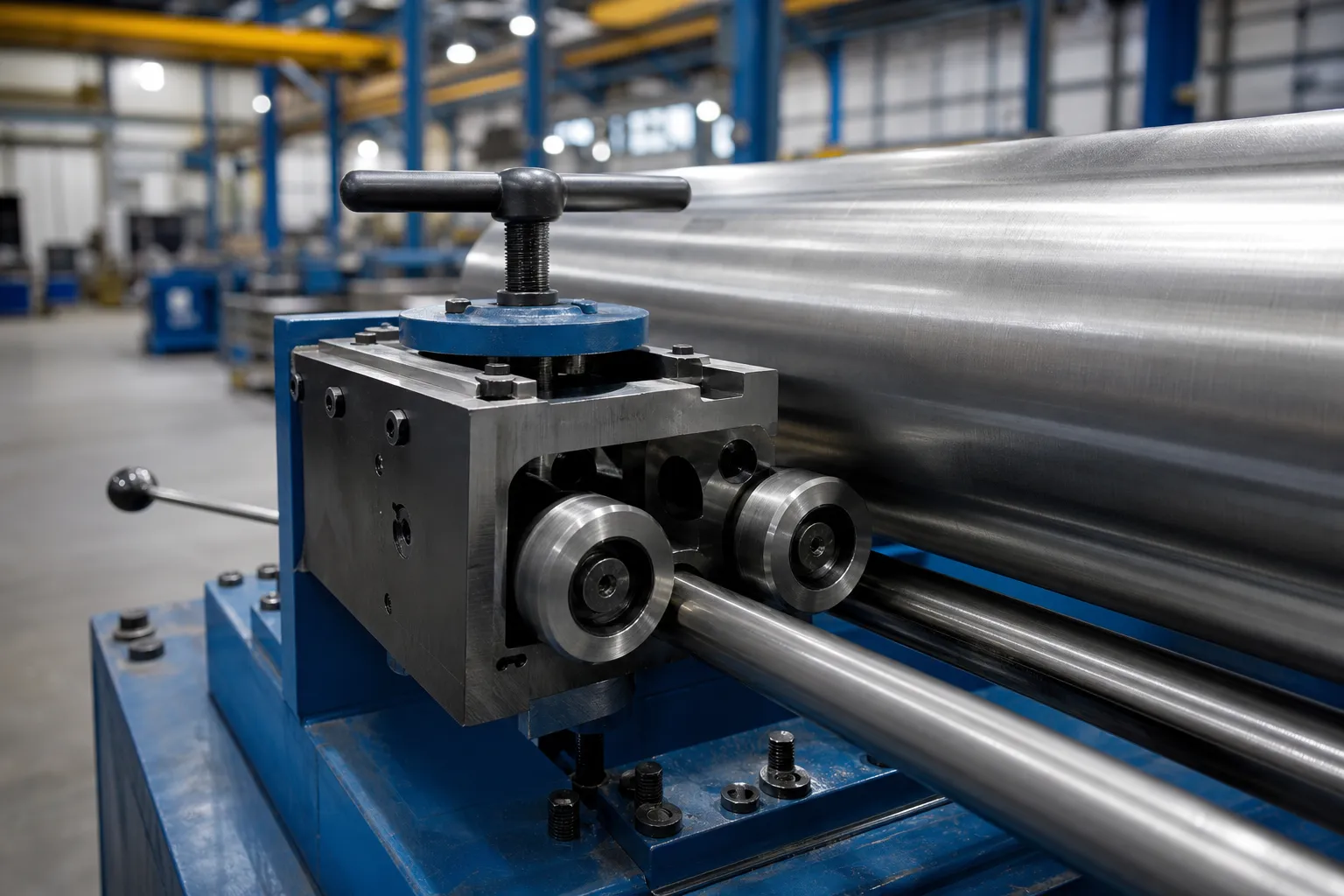
*Inžinerinės koncepcijos iliustracija.*
Tiesinimas prieš dengimą arba po dengimo
Tiesinimas prieš ir po dengimo ar dengimo tvarkoma kaip paviršiaus kontakto ir įrankių rizikos tema, o ne kaip atskiras URL. Peržiūrėkite dangos kietumą, kontaktinio įtempio ir perdirbimo ribos paviršiaus apsaugos įrankių puslapyje ir atitinkamo ruošinio puslapyje prieš pasirenkant tiesinimo etapą.
Surface protection decisions like these show up directly on the finished part – į įrankių ženklų vadovas covers contact damage in detail, ir per didelis tiesinimas ir įtrūkimai covers the deformation side of the same risk.