
Lína ætti ekki að meðhöndla hvern lestur sem ekki fer framhjá á sama hátt. Hluti gæti átt í uppsetningarvandamálum, mælingarviðvörun, lagfæranlegt rúmfræðiástand, svar án árangurs, grunur um efnisvandamál eða staðfest frávik. Án sérstakra leiða, endurtekin leiðrétting getur falið mælingarvandamál, skemma hlutann, blanda saman hlutum eða búa til órekjanlega gæðaákvörðun.
Þessi grein er gæðaleiðarrammi. Það heldur því ekki fram að StraighteningTech bjóði nú til sjálfvirka flokkun, sérstakar skynjara, höfnunarmörkum, rekjanleikahugbúnað eða viðurkenndar reglur um endurvinnslu. Þessar aðgerðir krefjast staðfests staðbundins umfangs og gæðasamþykkis.
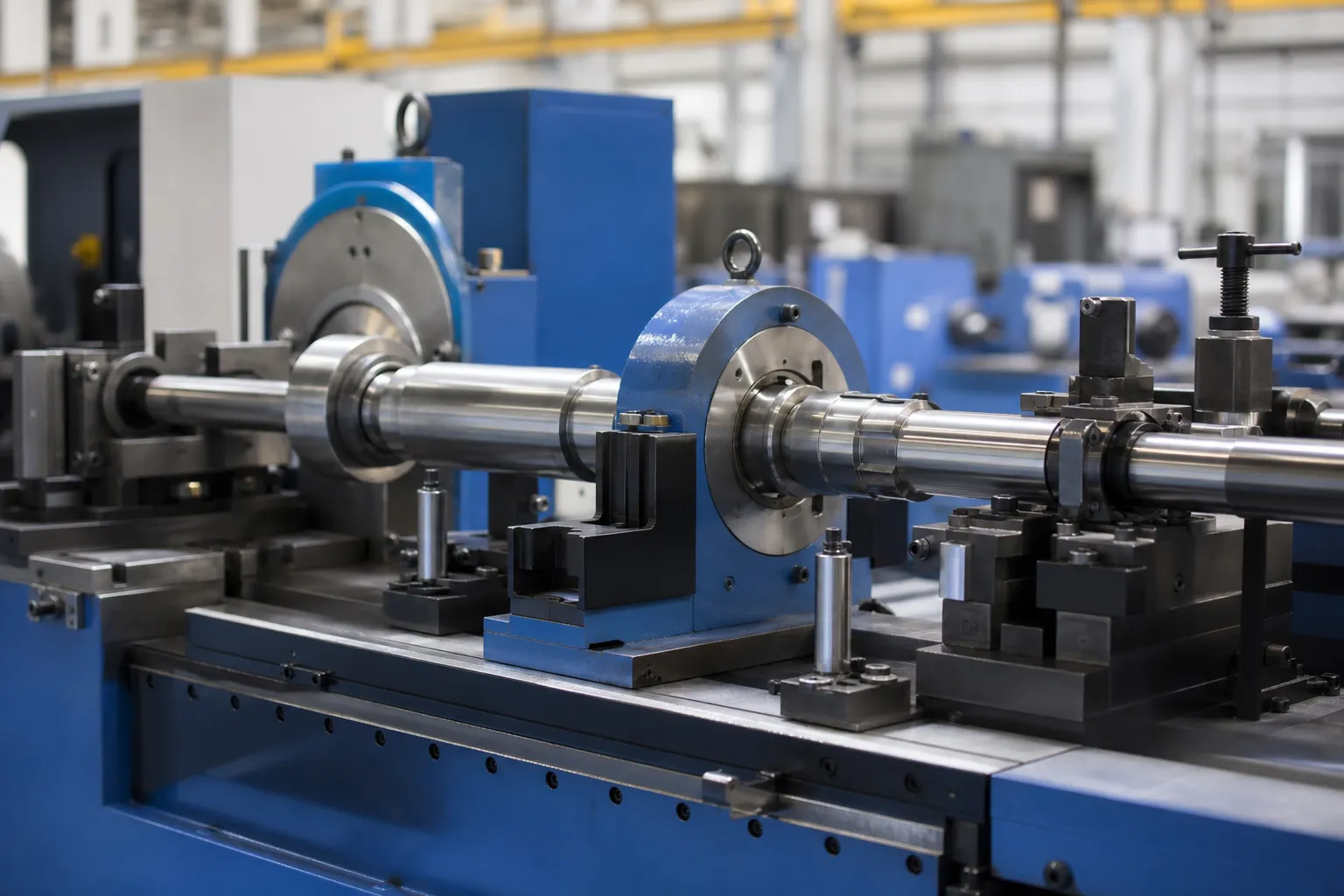
*Verkfræðihugtaksmynd. Það sýnir frambjóðanda framleiðslu klefi, ekki uppsett sjálfvirkt flokkunarkerfi eða skilgreinda gallagreiningargetu.*
Skilgreindu ráðstöfunarríkin
Að minnsta kosti, greina PASS, NÓG, endurvinnsluhæfur, stöðva/halda og verkfræði/gæðaskoðun. Skilgreiningarnar verða að vísa til stýrðu teikningarinnar, mæliaðferð, ferli ástand og heimild til að gefa út. Ferlisviðvörun er ekki sjálfkrafa höfnun; það gæti verið stigmögnunarmerki sem krefst staðfestingar.
| Ríki | Áskilin skilgreining |
|---|---|
| PASS | Uppfyllir samþykkta kröfu um sleppt ástand með nauðsynlegum gögnum |
| NÓG | Uppfyllir ekki skilgreinda kröfu eða hefur staðfest frávik |
| Endurvinnsluhæfur | Uppfyllir skjalfest skilyrði fyrir aðra samþykkta tilraun |
| Hættu / halda | Krefst uppsetningar, ferli-merki, gæða- eða verkfræðileg úttekt fyrir frekari vinnslu |
| Verkfræðiúttekt | Þarfnast stjórnaðrar ákvörðunar utan venjulegrar sjálfvirkrar leiðar |
Haltu uppsetningarvandamálum aðskildum frá ósamræmi í hluta
Áður en hluta er vísað sem NOK, íhugaðu hvort merkið gæti stafað af sætum, afbrigði innréttinga, skynjara ástand, hluta sjálfsmynd, röng uppskrift eða ósamþykkt stuðningsástand. Aðferðin ætti að skilgreina leyfilegar hreinsunar/endursetu/endurtaka athuganir og koma í veg fyrir ótakmarkaðar endurtekningar.
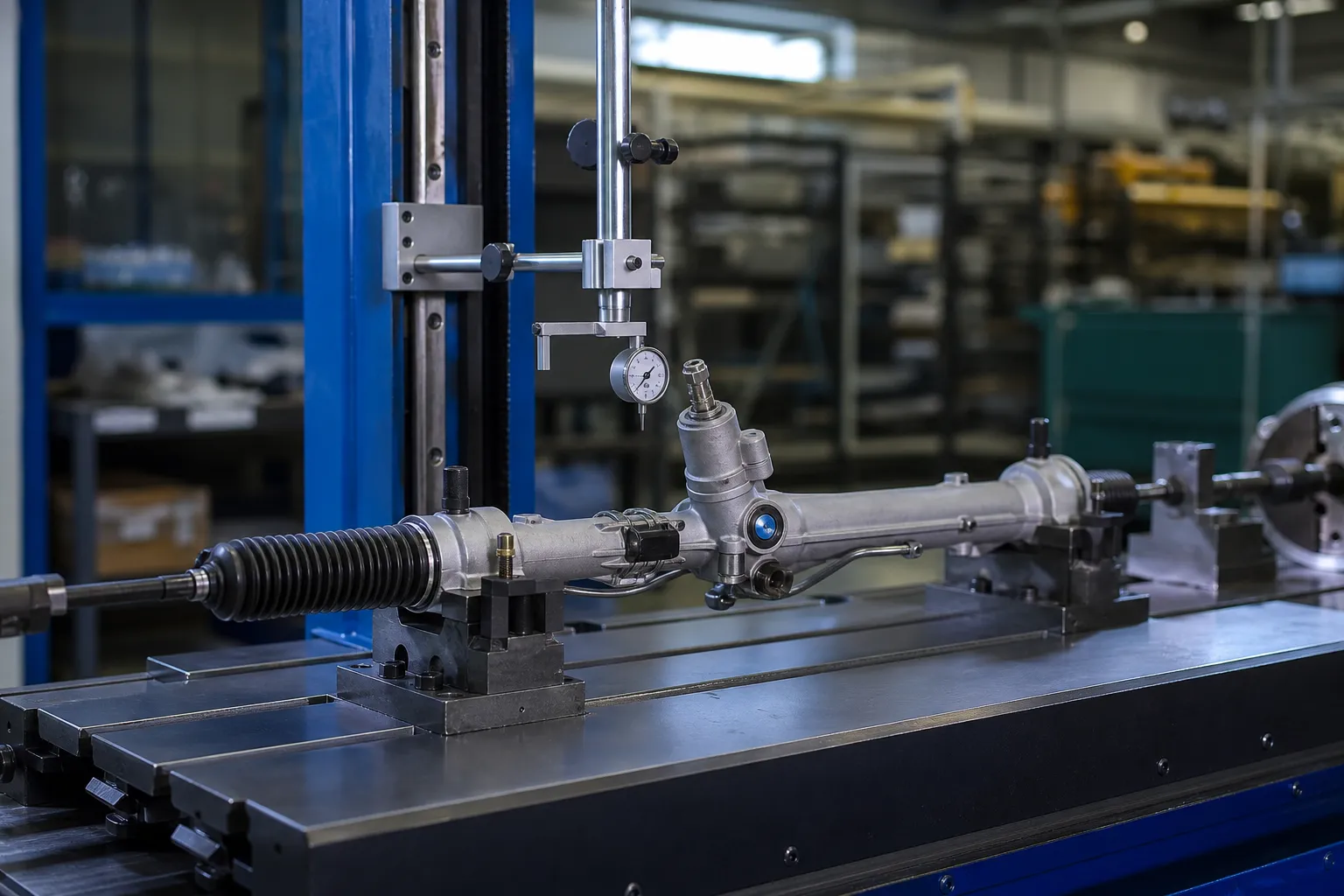
*Verkfræðihugtaksmynd. Það sýnir mælingarákvörðunarpunkt, ekki sönnun fyrir sjálfvirkri flokkun eða tiltekinni viðvörunarreglu.*
Sjáðu endurtekningarhæfni festinga og staðsetningarsæta og sprungugreining við sjálfvirka réttingu fyrir skil á milli merkis og sannreyndrar orsök þess.
Stilltu endurvinnslumörk fyrir fyrstu leiðréttingu
Endurvinna ætti að vera samþykkt leið með skilgreindum hámarksfjölda tilrauna, leyfileg skilyrði fyrir snertingu/stuðning, kröfu um endurmælingu, yfirborðs-/eiginleikaeftirlit og heimild til að halda áfram eða hætta. Takmarkið er ekki algild tala; það fer eftir efni, ferli stigi, eiginleika áhættu, kröfur viðskiptavina og fullgilt svar. Þegar hluti svarar ekki eins og búist var við, viðeigandi aðgerð getur verið að halda eða hafna frekar en auka valdi.
Why Unlimited Retries Corrupt the Line
Allowing a line to re-correct a part until the gauge finally passes feels productive and quietly destroys two things. The first is the part itself: every plastic bending cycle consumes a share of the section’s low-cycle fatigue life, and the reverse-loading behavior described for reverse loading in straightening means later cycles move the material more per unit force than earlier ones did. A part that reaches tolerance on its sixth attempt is not equivalent to one that reached it on the first, even though both read PASS.
The second casualty is the line’s own information. When retries are unlimited, the gauge sees only eventual outcomes: parts that converge, slowly, under repeated force. A drifting correction setup, a worn anvil, a bad lot of stock and a genuinely struggling part family all produce the same visible symptom — more attempts per part — and none of them generates a stop condition. The retry count is one of the cheapest and most informative process signals a straightening line produces, and it only exists as data if the line is required to stop and route the part at a defined limit instead of looping.
Thinking of the Rework Limit as a Budget
A more useful mental model than “three strikes” is a budget of deformation that each part may spend. The budget is set by the material’s condition and the consequence of failure in service, and it is spent by every correction stroke — forward or reverse. A hardened safety-critical shaft and a soft structural bar may carry very different budgets, which is why no universal rework number is defensible and why the limit belongs to the part family’s validated process, reviewed by quality. The same budget concept explains a rule that otherwise looks arbitrary: a part that has consumed its budget and still fails is rejected even though one more attempt might conceivably pass, because the part that would emerge is no longer the part the drawing specifies in any meaningful sense.
Budgets also need edges. Two conditions that stop rework regardless of remaining attempts are no-progress — corrections that stop changing the geometry, indicating the process is no longer engaging the error — and overshoot oscillation, where each attempt moves the part from one side of tolerance to the other. Both are stop signals, not tuning opportunities, and both feed the integrity-review concerns that repeated plastic cycling raises.
Viðhalda einangrun og rekjanleika
Hver ráðstöfun verður að varðveita auðkenni hluta/hluta, teikning/uppskrift útgáfa, mælingar ástand, leiðréttingartilraunir, niðurstöðu, rekstraraðila/sjálfvirkni atburður, tíma, endurskoða ákvörðun og líkamlega staðsetningu. Einangrun verður að koma í veg fyrir að geymdur hluti eða NOK hluti fari aftur í PASS flæðið án skýrrar heimildar.
*Verkfræðihugtaksmynd. Það leggur áherslu á staðfestingu á útgefnu ríki og skráða ráðstöfun, ekki loforð um DMC/MES viðmót eða sjálfvirkan flokkara.*
Designing Segregation That Cannot Be Defeated
Disposition states only work if the physical line enforces them. The failure mode is always the same: a held or NOK part re-enters the good flow during a busy shift, through an operator judgment call, a shared conveyor or an unlabeled tote. Effective segregation design follows mistake-proofing logic rather than instruction signs. Good and rejected parts take different physical paths with no shared section where a part can be redirected by hand. Hold locations lock or require an access step that itself creates a record. Labels and bins are part-specific, not generic scrap tags, so a held-for-review part cannot decay into anonymous scrap or anonymous stock. Where volume justifies it, diverters and gates make the routing decision the machine’s, not the operator’s — the automation boundary discussed in manual versus automatic straightening applies to disposition as much as to correction.
The record side has the same anti-defeat requirement. A disposition that lives only in an operator’s memory, or in a spreadsheet anyone may edit, does not survive an audit or a containment event. The minimum durable record is the tuple — part identity, mikið, drawing and recipe version, mælingar ástand, attempt count, niðurstöðu, decision, decision-maker, time — retained long enough to answer the customer question that eventually comes: which parts from that week, from that machine, from that shift.
What the Disposition Data Buys Later
A line that routes honestly accumulates, as a by-product, the dataset that every improvement program wishes it had. Attempt-count trends flag tooling wear and setup drift while they are still cheap to fix. Lot-to-lot shifts in incoming geometry point upstream to suppliers with evidence instead of complaints. The ratio of setup-issue holds to true part nonconformances measures how much of the line’s apparent quality problem is actually its measurement and fixturing — information directly relevant to planning a gage R&R nám. And when a customer raises a field concern, traceability converts a week of panic into an afternoon of records. None of that value survives a culture of retry-until-pass; all of it is the natural dividend of the routing discipline described here.
Búðu til staðfestingar- og stigmögnunarleið
- auðkenna hlutann, mikið, teikningu og uppskrift;
- staðfesta mælinguna/uppsetninguna innan samþykktra athugana;
- fanga lesturinn, ferli stöðu og hvers kyns viðvörun;
- nota aðeins leyfilega endurvinnsluleið þegar hæfi er staðfest;
- losun og endurmæling í umsömdu ástandi;
- leið PASS, NÓG, halda eða verkfræðiskoðun;
- halda rekjanleika og líkamlegum aðskilnaði;
- nota endurtekið mynstur til að koma af stað ferli eða gæðaskoðun.
Fyrir nauðsynlegan sönnunarbúnað, sjáðu réttunarsýnispróf og samþykki og Gage R&R til að rétta línur.
No-Progress og Correction-Limit Gates
Nákvæm setning leiðréttingarmörk fyrir réttingu ekkert framvinduhlið er læknisfræðilega mengað í SERP, þannig að hin kanóníska rökfræði án framfara lifir á síðunni fyrir flokkun og endurvinnslu á NOK. Skilgreindu hámarks leiðréttingarlotur, force/stroke ceilings and mandatory stop/sort actions before production release.
Algengar spurningar
Þýðir NOK alltaf rusl?
Nei. Ríki í NOK getur krafist staðfestingar, stjórnað endurvinnslu, verkfræðiskoðun eða endanlega höfnun eftir samþykktri gæðaleið.
Getur lína reynt aftur þar til lesturinn er liðinn?
Nei. Við endurvinnslu þarf skilgreind hámarkstilraun og gæðaheimild. Ótakmarkaðar endurtilraunir geta dulið ferli eða mælingarvandamál.
Þýðir þessi grein að línan hafi sjálfvirka flokkun?
Nei. Það er leiðarrammi. Raunveruleg flokkun, rekjanleika og viðmótsaðgerðir krefjast sérstakrar sannprófunar.
Why does the attempt count matter more than the final reading?
Because the final reading describes where the part ended, while the attempt count describes what it cost to get there. Two parts reading identical PASS values are not equivalent if one took a single correction and the other took a full budget of repeated cycles. The attempt count is also the line’s earliest drift alarm — a setup, tooling or material change usually shows up as more attempts per part long before it shows up as rejects.
Should rework limits differ between part families?
Já. The limit is a deformation budget set by material condition, feature risk and service consequence, so a hardened safety-critical shaft and a soft structural bar justify different numbers. The limit belongs to each family’s validated process with quality approval, not to the line as a single setting.
What is the minimum physical segregation a small line needs?
Separate paths or lockable, labeled, part-specific containers for PASS, hold and NOK — arranged so a held part cannot return to the good flow without a recorded, authorized step. The design principle is that doing the wrong thing must require effort, not just discipline. Escalate to machine-controlled diverters when volume or staffing makes human routing unreliable.
Sorting decisions are also capacity decisions – the handvirkur vs sjálfvirkur samanburður og ROI hulstur fyrir sjálfvirka réttingu both price the NOK stream a manual line tends to hide.