
Réttleiki útkastapinna hefur bein áhrif á heildarlíftíma mótsins og gæði sprautumótuðu/steypuhlutanna.. Byrjað á tæknilegum meginreglum, þessi grein veitir ítarlega greiningu á helstu tæknilegum atriðum við að rétta mjóa útkastapinna, þar á meðal: samanburður á ferliaðferðum (handvirkt/fjölrúlla vs. lárétt punktrétting), mæliaðferðir með mikilli nákvæmni, hagræðingaraðferðir fyrir ferlibreytur, og lausnir á vinnsluáskorunum. Með nákvæmum tæknigögnum og raunverulegt framleiðsluhylki frá svissneskum viðskiptavin, við sýnum framúrskarandi frammistöðu lárétta sjálfvirka réttunarferlisins, hjálpa þér að leysa erfiðleika ör- og öfgafullra lengdar-til-þvermálshlutfalla.
Hvað er Ejector Pin
Ejector Pin er mikilvægur hluti á nákvæmni framleiðslusviðum eins og sprautumótum og deyjasteypumótum, fyrst og fremst notað til að kasta mótuðu vörunni vel út úr moldholinu. Það fer eftir formforskriftum og vörukröfum, algeng þvermál eru á bilinu 1 mm til 20 mm, og lengdir frá 50mm til 500mm. Kjarna nákvæmni krafa þess liggur í mjög mikilli beinlínis og einbeitni.

Ejector Pin Umsókn atburðarás
Ejector pinnar eru aðallega notaðir í útkastskerfum nákvæmnismóta. Það fer eftir sérstökum umsóknarstað og moldaruppbyggingu, það eru mismunandi kröfur:
- Nákvæm rafeindamót: Krefjast mjög fíns þvermáls (e.g., under 2mm) og mjög hár beinleiki til að koma í veg fyrir að kýla í gegnum vöruna.
- Bílavarahlutir Die-casting mót: Þola verulega útkastsviðnám, krefst mikillar yfirborðshörku og mótstöðu gegn beygju.
- Sprautumót fyrir lækningatæki: Krefjast mjög mikillar yfirborðsáferðar án núningsryksmyndunar.
Allar notkunarsviðsmyndir hafa strangar kröfur um réttleika útkastapinnans, vegna þess að boginn pinna getur valdið stíflun, breaking, eða klóra á myglusveggnum, sem leiðir til mikillar framleiðslustöðvunar.
Structural Features
Ejector pinnar hafa eftirfarandi byggingareiginleika:
- Gríðarlegt hlutfall lengdar og þvermáls: Lengd er oft tugir eða jafnvel hundruð sinnum þvermál (e.g., 2.5mm diameter, 150mm length, an L/D ratio of 60:1).
- Simple Profile: Venjulega grannur strokkur með sívalur eða þrepaður haus í annan endann.
- Material Requirements: Venjulega úr heitvinnuverkfærastáli eins og SKD61 eða H13, sem býður upp á háan hitaþol, toughness, and wear resistance.
- Surface Quality: Yfirborðið er oft nítrað, krefst mjög mikillar yfirborðshörku og lágs grófleika.
Helstu eiginleikar Ejector Pin
Helstu einkenni:
- Hárnákvæmni rétting: Styður afar nákvæmni ≤0,05 mm.
- Ör-aflögunarstýring: Lýkur plastaflögun án þess að skemma yfirborðshertu lagið.
- Gæðastöðugleiki: Uppfyllir kröfur um þreytulíf fyrir háhraða samfellda stimplun/sprautumótun.
Tæknilegar færibreytur Ejector Pin
| Atriði | færibreytusvið | Skýringar |
| Sérstakur vinnustykkis | Þvermál 2,5 mm, Lengd 150 mm | Dæmigert ofurmjótt vinnustykki |
| Réttleiki Krafa. | ≤0,05 mm | Mikill iðnaðarstaðall |
| Skoðunaraðferð | Concentricity Tester | Tryggir að úthlaup sé náð í fullri lengd |
| Yfirborðshörku | HRC50-60 (Nítraður) | Einstaklega brothætt, hætt við að brotna |
| Framleiðslu Eff. | 10-15 sekúndur/stykki | Sjálfvirk lárétt rétting |
Hvers vegna lárétt leiðrétting er ákjósanleg fyrir mjóa útdráttarpinna
Hefðbundnir verkjapunktar
Þegar útkastapinnar gangast undir hefðbundið handvirkt slegið eða margrúlluréttingu eftir hitameðferð eða miðlausa slípun, þeir standa frammi fyrir eftirfarandi áskorunum:
| Sársaukapunktur | Sérstakt mál | Áhrif |
| Handbók er óviðráðanleg | Treystir á tilfinningu starfsmanna og reynslu; ekki er hægt að mæla kraft. | Smeltir auðveldlega mjóar pinnar; hátt brotahlutfall, mjög lítil skilvirkni. |
| Multi-Roll Skemmdir yfirborð | Stöðug velting eyðileggur nítruðu lagið eða skapar örsprungur. | Dregur úr þreytulífi; viðkvæmt fyrir því að brotna við myglusvepp. |
| Óstöðugleiki í lóðréttri pressu | Vinnustykki með 2,5 mm þvermál hallar vegna eigin þyngdar á lóðréttum V-kubbum. | Mælingarnemar geta ekki náð hinum sanna hápunkti, leiðir til rangrar mats. |
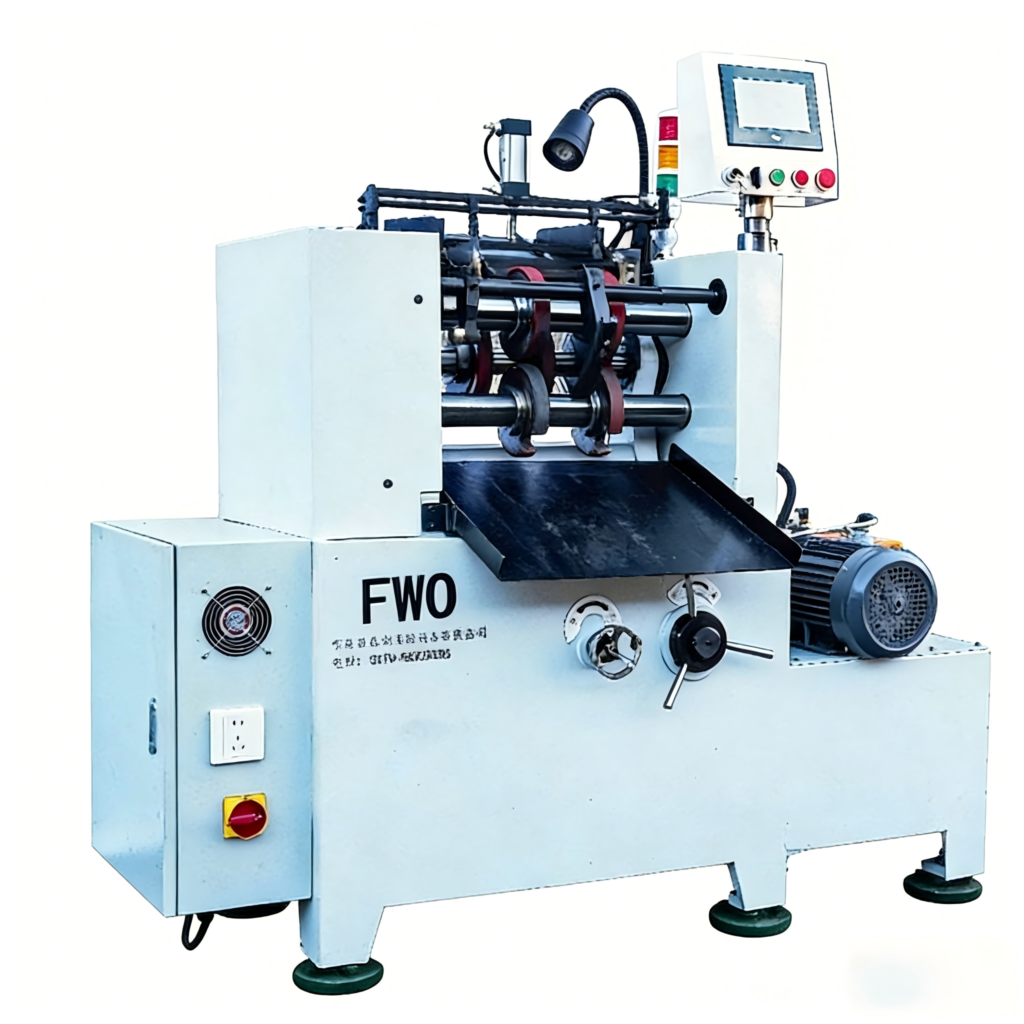
UBJ-175-600 Lárétt fjölrúlla réttavél
UBJ-175-600 lárétt fjölrúlluréttingarvél notar vökvadrifið 3-ása drif og sjónstillingu, með PLC stjórn og mikilli nákvæmni beygjuskynjun fyrir skilvirka, sjálfvirk málmrétting.
Kostir við lárétta punkta
Að taka á ofangreindum verkjapunktum, the Lárétt punktréttingarvél veitir byltingarkennda kerfisbundna lausn:
| Samanburðarvídd | Handvirk sléttun | Lárétt punktrétting | Umbætur |
| Nákvæmni | ~0,15 mm | ≤0,05 mm | 300% nákvæmni uppörvun |
| Skilvirkni | 1-2 mínútur/stykki | 10-15 sekúndur/stykki | Margfalt hraðar |
| Gallahlutfall | 10-15% (brot) | <0.5% | Veruleg lækkun |
| Mæling | Villumælir / sjónrænt | Sammiðjumælisstigsmælir | Stafrænt, útilokar mannleg mistök |
Kjarna kostir:
- Útrýma þyngdartruflunum: Lárétt uppbygging leggur mjótt vinnustykkið flatt, útrýma algjörlega mæliskekkjum af völdum sjálfsþyngdar í lóðréttri uppsetningu.
- Micron-Level Servo Pressing: Notar hárnákvæman servó mótor til að knýja hrútinn. Fyrir pínulítinn 2,5 mm þvermál, það nær höggstýringu á míkron-stigi til að koma í veg fyrir ofpressun og smellu.
- Lokað-Loop Concentricity Detection: Samþættir mælingarrökfræði sammiðjuprófara. Það snýr vinnustykkinu til að fanga hið sanna úthlaup yfir alla lengd þess, sjálfkrafa staðsetja hápunktinn og beita nákvæmri leiðréttingu.
Ejector Pin Machining & Réttunarferli
Þessi kafli lýsir 5 kjarnaferli til að ljúka verkflæðinu fyrir framleiðslu á útkastapinni, frá hráefnisskurði til skoðunar fullunnar vöru. The kjarnaferli er 04 Lárétt sjálfvirk punktrétting, sem býður upp á skammtastökk í uppskeru og nákvæmni miðað við hefðbundnar handvirkar aðferðir.
Fullkomið vinnsluflæði
| Ferli | Nafn ferli | Búnaður | Tími | Nákvæmni |
| 01 | Skurður | Nákvæmni skeri | 5s | Lengd Tol. ±0,2 mm |
| 02 | Hitameðferð/nítrunarmeðferð | Vacuum ofn | – | Hörku HRC50-60 |
| 03 | Miðlaus malun | Miðlaus kvörn | 15s | FRÁ Tol. ±0,005 mm |
| 04 | Lárétt rétting | Lárétt sléttari | 15s | Beinleiki ≤0,05 mm |
| 05 | Endanleg samþjöppunarathugun | Concentricity Tester | 10s | – |
Kjarnaferlislýsing: Skref 4 Lárétt sjálfvirk punktrétting
Ferli Tilgangur: Til að rétta nákvæmlega af mjóum útkastapinnum sem hafa skekkt eftir hitameðhöndlun og slípun í 0,05 mm sléttleika.
Ferli meginregla: Vinnustykkið er sett lárétt á nákvæmni stuðningsrúllur/V-kubba. Servódrifið kerfi snýr vinnustykkinu á meðan hánákvæmir tilfærsluskynjarar (líkir eftir sammiðjuprófara) skanna úthlaupið í rauntíma. Stýrikerfið notar reiknirit til að ákvarða nákvæmlega hápunkt beygjunnar og reiknar út þá örsmáu aflögun sem þarf, skipar servóhrútnum að framkvæma blíðlega “lið til liðs” ýttu á.
Lykilatriði:
- Notar lárétta stuðning til að tryggja að 2,5 mm vinnustykkið sé algjörlega náttúrulegt, streitulaust ástand við mælingu.
- Pressuslag verður að vera nákvæmt í 0,001 mm, því ofurþunnur, Vinnustykki með mikla hörku hafa afar þröngt plastaflögunarsvæði.
- Notaðir eru sérstakir hrútaroddar til að tryggja að engin inndráttur sé eftir á sléttu pinnayfirborðinu við pressun.
Gæðastaðlar:
- Radial runout (sammiðjuprófunarstaðall) ≤0,05 mm yfir alla 150 mm lengdina.
- Algerlega engin vélræn mulning eða rispur á yfirborðinu.
Vinnsluerfiðleikar og lausnir
Erfiðleikar 1: Mikið L/D hlutfall gerir vinnustykki mjög hætt við að brotna
Lýsing á vandamálum:
- Þvermál vinnustykkisins er aðeins 2,5 mm og lengdin er 150 mm, búa til a 60:1 hlutfall.
- Eftir hitameðferð, stökkleiki eykst. Jafnvel örlítið of mikill réttunarkraftur mun samstundis smella á pinnanum.
Lausnir:
- Yfirgefin vökvahrútar í þágu hreinn servómótordrifinn, stýrðir hrútar á míkronstigi.
- Kerfið notar sérstakt efnisfjöðrunaralgrím fyrir mjótt skaft með mikilli hörku, nýta a “margfalda örstillingarpressun” stefnu frekar en eina þunga pressu.
- Niðurstaða: Fjarlægði algjörlega hættuna á broti, ýta undir ávöxtunarkröfuna fyrir ofan 99.5%.
Erfiðleikar 2: Strangar 0,05 mm mælingar & Stýring með lokuðu lykkju
Lýsing á vandamálum:
- Viðskiptavinur tilgreindi a “sammiðjuprófari” til sannprófunar. Þetta þýddi að réttavélin varð að ná mælingarnákvæmni í mælifræði; annars, hlutar sem vélin telur viðunandi myndu mistakast handbók QC viðskiptavinarins.
Lausnir:
- Innbyggt mælireglur sammiðjuprófunartækis beint í lárétta réttinn. Notaðu loftfljótandi stuðning, hárnákvæmar snúningsspennur, og undirmíkron snertiskynjara.
- Niðurstaða: Náði einingu milli vinnslu og lokaskoðunarstaðla. Úthlaupsgildin sem sýnd voru á vélskjánum passuðu fullkomlega við gögnin í óháðu prófunarstofu viðskiptavinarins.
Framleiðsluhylki
Bakgrunnur viðskiptavina
Nákvæmt samningsframleiðslufyrirtæki staðsett í Sviss. Þekktur fyrir mjög háa vinnslustaðla, þeir sérhæfa sig í að veita nákvæma íhlutavinnsluþjónustu fyrir helstu evrópska mygluframleiðendur og lækningatækjaframleiðendur.
Tæknilegar áskoranir
- Svissneski viðskiptavinurinn fékk magnpöntun frá endanotanda sem krafðist nákvæmra útkastapinna með sérstakri 2.5mm þvermál og 150 mm lengd.
- Samþykkisviðmið notandans voru ótrúlega ströng: a tilnefndur sammiðjuprófari þarf að nota við sýnatöku, og beinlínishlaup verður að vera stranglega innan 0.05mm.
- Núverandi búnaður viðskiptavinarins og handvirkir réttingartæknir gátu ekki náð þessari nákvæmni á áreiðanlegan hátt, stofna þeim í hættu á vanskilum á pöntuninni.
Lausnir
| Atriði | Færibreytur/stillingar |
| Vinnustykki | Mjótt moldútdráttarpinna |
| Tæknilýsing | Ø2,5 mm × L150 mm |
| Efni | Háhörku heitt vinnutæki stál |
| Kjarnabúnaður | Lárétt servó sjálfvirk punktrétting |
| Mæling | Innbyggð eining um sammiðjuskynjun með lokuðum lykkjum |
| Nákvæmni markmið | ≤0,05 mm |
Framkvæmd Niðurstöður
- Pöntun vistuð: Á fyrsta framleiðsludegi þess, Lárétta sléttunarvélin okkar framleiddi stöðugt útkastapinna sem uppfylltu fullkomlega 0,05 mm sammiðjustaðalinn, hjálpa viðskiptavinum að skila fyrstu lotu sinni.
- Afraksturinn rauk upp: Leysti algjörlega sársaukamark handvirkrar réttingar með því að smella á brothættu 2,5 mm pinnana. Hlutfall galla fór niður í nær núll.
- Sjálfvirkni uppfærsla: Ekki lengur að treysta á “finnst” yfir tæknimenn; venjulegir rekstraraðilar geta framkvæmt hárnákvæmni réttingu með einni hnappapressu.
Vitnisburður viðskiptavina
“Þetta er ótrúleg lausn! Fyrir vinnustykki eins viðkvæmt og 2,5 mm, Láréttur búnaður þinn sýnir nákvæmni í skurðaðgerð. Það hjálpaði okkur ekki aðeins að tryggja þessa mikilvægu pöntun heldur gaf okkur einnig nýtt kjarna samkeppnisforskot á evrópskum nákvæmnissamningaframleiðslumarkaði.” — Svissneskur verkefnastjóri
Algengar spurningar til að rétta útkastapinn
Q1: Af hverju er ekki mælt með lóðrétta sléttunarvélum fyrir mjóar útkastapinnar?
Fyrir þykkari skafthluta, lóðrétt sléttunarvélar eru staðalvalið. Hins vegar, fyrir vinnustykki með 2,5 mm þvermál og 150 mm lengd, hluturinn sjálfur er mjög sveigjanlegur. Þegar sett er á tvo V-kubba í lóðréttri vél, vinnustykkið mun sýna lítilsháttar beygingu niður (beyging) einfaldlega vegna þyngdaraflsins. Á meðan mínúta, þessi sveigja er nóg til að trufla 0,05 mm mælingu með mikilli nákvæmni, sem veldur því að kerfið mælir ónákvæmt. Lárétt réttunarvél leggur vinnustykkið flatt á stuðningspalli, útrýma algjörlega truflunum á þyngdarafl.
Q2: Hvernig er 0,05 mm réttleiki staðfestur á vélinni?
Lárétta punktréttingin okkar kemur með innbyggðu lokuðu skynjunarkerfi. Eftir að réttaaðgerðinni er lokið, Servó snúningsbúnaður vélarinnar snýst útkastapinnann 360 gráður á meðan tilfærsluskynjarar með mikilli nákvæmni skanna úthlaupsferilinn á yfirborði vinnustykkisins. Þetta ferli speglar fullkomlega sjálfstæða “sammiðjuprófari,” tryggja að hvert stykki sé hæft áður en það fer úr vélinni.
Q3: Getur þessi búnaður aðeins rétta 2,5 mm útstungapinna?
Nei. Lárétta punktréttingin er mjög sveigjanleg. Með því að skipta um stuðnings V-kubba/rúllur og velja mismunandi efnisuppskriftir í kerfið, það er samhæft niður á við við örpinna allt að 1,5 mm þunna, og upp á við samhæft við staðlaða skafta sem eru 6 mm eða þykkari. Lengdarstillingar eru líka einstaklega þægilegar.
Samantekt
Fyrir nákvæmni útkastarpinna með forskriftir um 2,5 mm þvermál og 150 mm lengd, að nýta sér Lárétt servó sjálfvirkt punktréttunarferli getur stöðugt náð ≤0,05 mm krafa um sammiðju og réttleika, með eins stykki hringrás tíma bara 15 sekúndur. Eins og sannað er af svissneskum viðskiptavinum okkar, fyrir samningsframleiðendur sem standa frammi fyrir tæknilegum flöskuhálsum með örþvermáli, öfgafullt L/D hlutfall, og mjög nákvæmar hlutar, þessi lausn er besti kosturinn til að tryggja hágæða afhendingu.
Ef þú stendur frammi fyrir því að rétta úr áskorunum með svipuðum ör og mjótt vinnustykki (eins og nákvæmnisútkastapinnar, læknisleiðir, eða örmótorskaft), eða leitast við að bæta framleiðsluávöxtun þína, vinsamlegast hafðu samband við okkur fyrir nákvæmar tæknilegar tillögur og sýnishornsprófunarþjónustu.