
Ispravljanje često uključuje savijanje materijala u smjeru koji je povezan s njegovom prethodnom istorijom deformacija. Baušingerov efekat je koncept ponašanja materijala koji se koristi da opiše kako prethodna plastična deformacija može promijeniti ponašanje popuštanja pod obrnutim opterećenjem. Pomaže u objašnjenju zašto se jedno generičko pravilo korekcije ne može prenositi između materijalnih stanja, formiranje istorije ili lota.
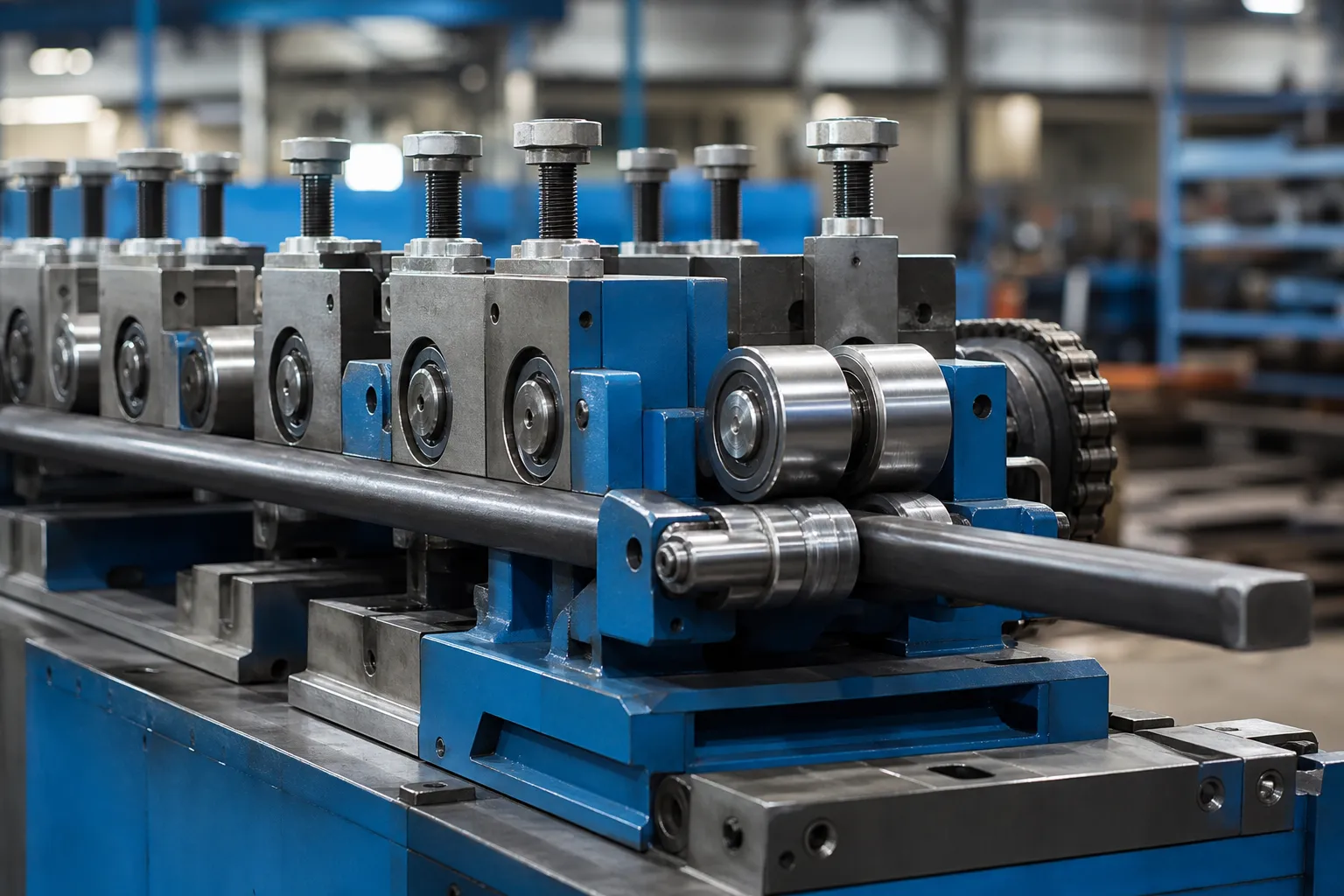
*Ilustracija inženjerskog koncepta. To nije materijalni test, model stresa ili provjereni ishod ispravljanja.*
Kakav je fizički efekat
Jasno rečeno: metal koji je plastično savijen na jedan način lakše popušta kada se zatim savija na drugu stranu. Na krivulji napon–deformacija, šipka je povukla iznad prinosa, istovaren, a zatim opterećen pri kompresiji dostiže svoju novu tačku popuštanja pri nižoj veličini od prvobitne istezanja. Mikrostrukturni razlog je taj što plastična deformacija ostavlja kristalnu rešetku ispunjenu dislokacijama koje su raspoređene da se odupru daljnjoj deformaciji u smjeru opterećenja.; kada se opterećenje obrne, taj isti raspored pomaže klizanju u suprotnom smjeru, tako da obrnuti prinos počinje rano. Efekat je najjači odmah nakon prvog preokreta i zasićuje nakon nekoliko ciklusa, a izraženiji je kod mekšeg, uslovi sa nižim sadržajem ugljenika nego u jako očvrslim.
Za ispravljanje su važne dvije posljedice. Prvo, Odziv materijala sila-progib je asimetričan u odnosu na znak savijanja: isti hod pritiska koji pomiče zavoj u jednom smjeru proizvodi drugačiji stalni skup od identičnog poteza primijenjenog na njega. Drugo, svako rasterećenje ostavlja zaključano stanje mikro rezidualnog naprezanja, tako da “isto” dio nikada nije potpuno isti materijal dvaput nakon što je korekcija počela. Obje posljedice guraju ka istoj disciplini procesa - malo, planirano, dobro usmjereni potezi za korekciju umjesto mnogo malih okretnih poteza.
Šta to znači za korekcijski moždani udar
Kontrola ravnanja obično pretpostavlja ponovljiv odnos između primijenjene korekcije i rezultujućeg pokreta - osnovu praksa povratne kompenzacije. Istorija obrnutog učitavanja ugrožava upravo tu ponovljivost. Razmotrite klasičnu sekvencu pretjeranog ispravljanja i pritiska: prvi potez plastično savija presjek, drugi potez ga savija nazad. Zato što materijal ranije popušta u obrnutom smjeru, drugi potez treba manje sile da bi se dio pomjerio za istu količinu, i kontrolna rutina kalibrirana na odgovor prvog udarca će premašiti. Svaki dodatni preokret povećava zanošenje, akumulirajući oštećenje od zamora niskog ciklusa u sekciji, što je mehanizam koji povezuje nepažljive sekvence korekcije sa rizicima od pucanja o kojima se raspravljalo preterano ravnanje i pucanje.
Praktična pravila koja slijede su kvalitativna, ali čvrsta. Isplanirajte korekciju tako da svaka lokacija bude plastično obrađena u jednom dominantnom smjeru, nije ping-pong. Postavite ograničenje prerade prije prvog poteza — broj pokušaja korekcije koji dio može primiti — i nametnite ga kroz NOK sortiranje i prerada-limit disciplina. A kada je proces zalutao tako da je za istu nominalnu grešku sada potrebno vidljivo više ili manje udaraca nego što je bilo u kvalifikaciji, tretirati promjenu kao materijalni signal za istraživanje, ne kao dugme za ugađanje.
Zašto je važno obrnuto učitavanje
Dio je možda akumulirao deformaciju tokom valjanja, crtanje, formiranje, termička obrada, mašinska obrada, transport ili prethodni korak korekcije. Kada se u procesu ispravljanja primjenjuje obrnuto savijanje, odgovor može zavisiti od te istorije, kao i od trenutnog materijalnog stanja i geometrije. Zbog toga sama karta krivina ne uspostavlja siguran prozor za korekciju.
| Faktor | Probno pitanje |
|---|---|
| Vrsta materijala i stanje | Je li primjenjivo stanje dokumentirano, nije pretpostavljeno? |
| Prethodno oblikovanje/crtanje | Može li se istorija deformacija razlikovati između partija? |
| Faza termičke obrade | Da li je korekcija dozvoljena u ovoj fazi? |
| Presjek/geometrija | Da li krutost varira duž dijela? |
| Površinske/funkcionalne karakteristike | Postoje li ograničenja od kontakta ili pukotina? |
| Prethodna prerada | Da li se već dogodilo obrnuto učitavanje? |
Koristite ga kao koncept planiranja suđenja
Koncept bi trebao dovesti do boljih zapisa, ne nepotkrijepljene tvrdnje. Snimite dolazno stanje, materijal/partija, faza proizvodnje, početna mapa, sekvenca korekcije, pušteno mjerenje, posmatranje površine i status prerade. Mijenjajte jedan po jedan kontrolirani faktor tokom razvoja i nemojte ekstrapolirati sa jednostavnog uzorka na drugu porodicu dijelova.
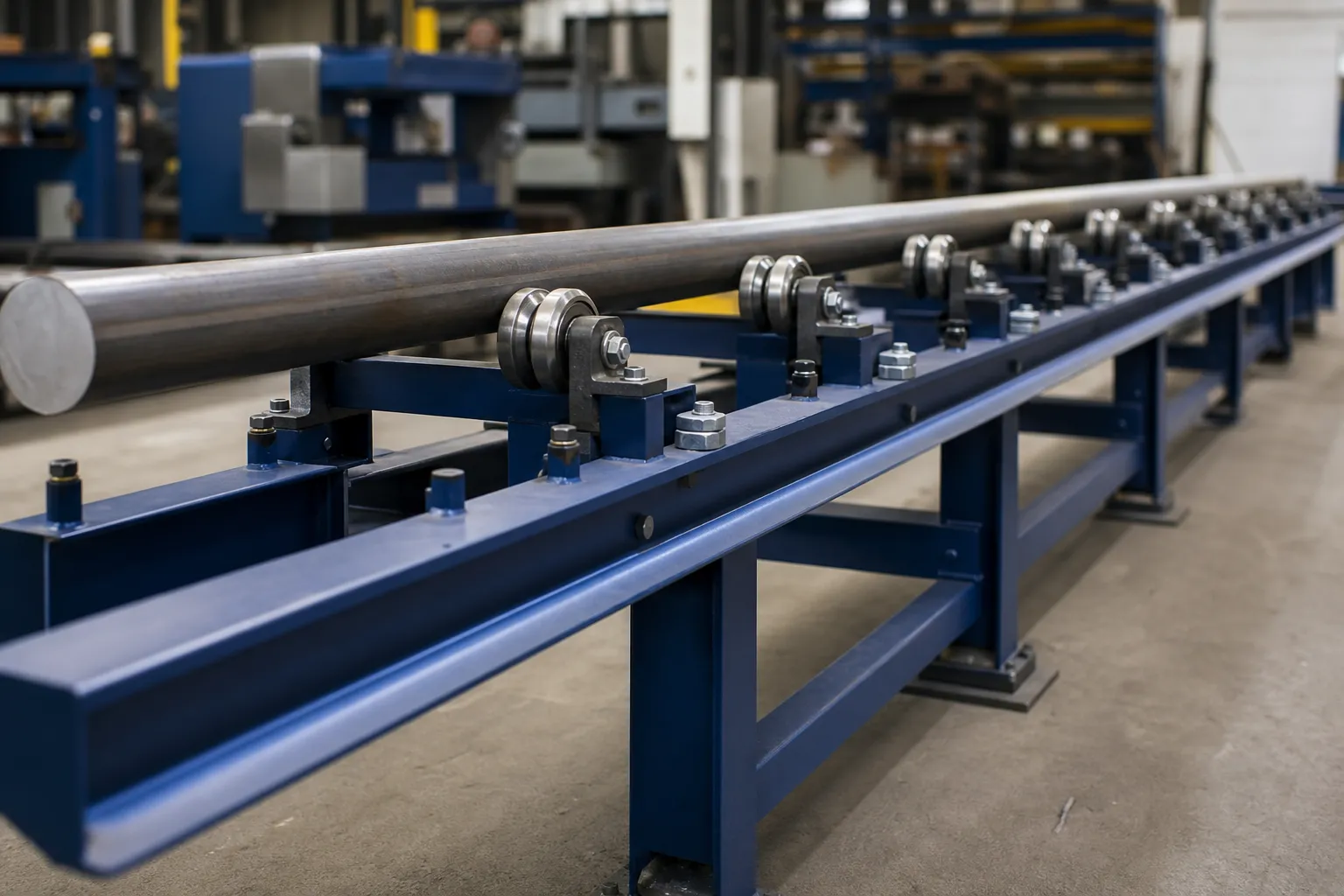
*Ilustracija inženjerskog koncepta. Podrška, kontakt i ponašanje materijala zahtijevaju inžinjersku reviziju specifičnih za dio.*
Izbjegavajte nazivati rezultat „bauschinger-kontroliranim“ osim ako kvalificirana studija materijala/procesa ne definira šta to tačno znači. Termin ne zamjenjuje zahtjev za crtanje, sertifikat materijala, procjena loma ili odobrenje kupca.
Gdje se istorija učitavanja krije u stvarnim dijelovima
Osetljivost obrnutog opterećenja ne zahteva prethodnu operaciju ispravljanja — većina delova stiže sa već upisanom istorijom. Šipke i žica nose usmjerene deformacije od valjanja i izvlačenja, tako da se njihov odziv na savijanje razlikuje s orijentacijom u odnosu na smjer glodala. Termički obrađeni dijelovi nose distorziju gašenja plus polje zaostalog naprezanja tretmana, i svako ravnanje obavljeno na termičkoj obradi računa se kao prethodna istorija za naknadnu korekciju - pitanja o postavljanju pokrivena pod ispravljanje nakon termičke obrade. Dugi vitki dijelovi akumuliraju transportne i stezne krivine, a dio koji je već prošao jednu petlju dorade kod dobavljača stiže unaprijed ciklus. Čak i unutar jedne kupljene parcele, različite dužine šipki mogu doći iz različitih toplina mlina s različitim istorijatom, zbog čega se postavka korekcije koja radi na prvim komadima lota može loše ponašati na posljednjoj.
Protivmjera je informativnog karaktera, ne mehanički: uhvatiti identitet materijala i parcele, fazi proizvodnje, i sve prethodne ispravke uz ulaznu geometrijsku kartu. Primanje tih podataka gotovo ništa ne košta i razlika je između istrage o odlasku koja traje poslijepodne i one koja se uopće ne može zatvoriti.
Čitanje efekta u proizvodnim podacima
Zato što se efekat ne može videti na delu, najavljuje se kroz obrasce u procesnim podacima. Signali na koje treba obratiti pažnju su strukturalni, a ne numerički: broj poteza korekcije potrebnih za istu dolaznu grešku koja se kreće naviše ili naniže tokom vožnje; dijelovi koji osciliraju oko nominalnog preko naizmjeničnih poteza umjesto da se konvergiraju; objavila mjerenja koja se okreću na suprotnu stranu raspona tolerancije nakon sekvenci korekcije koje su povijesno slijetale u centar; i razlike između lota u ponašanju korekcije bez promjene u podešavanju stroja. Nijedan od ovih obrazaca nije sam po sebi dokaz ponašanja obrnutog prinosa - svaki ima mjerenje i oponašanje uređaja, zbog čega su provjere podataka i mjerača na prvom mjestu - ali zajedno opravdavaju izvlačenje uzorka odvojenog za kontrolirani pregled materijala i povijesti umjesto da se nastavi prilagođavanje stroja.
Odvojite ponašanje materijala od greške pri mjerenju
Neočekivani objavljeni rezultat može doći iz materijalnog odgovora, ali i od datuma sjedenja, usklađenost uređaja, podrška/slučaj, mjerna korelacija ili nepotpuna mapa grešaka. Provjerite ove faktore prije nego što dodijelite uzrok ponašanju obrnutog prinosa. Vidi ponovljivost učvršćenja i pozicioniranje i mjerna nesigurnost u kontroli pravosti.
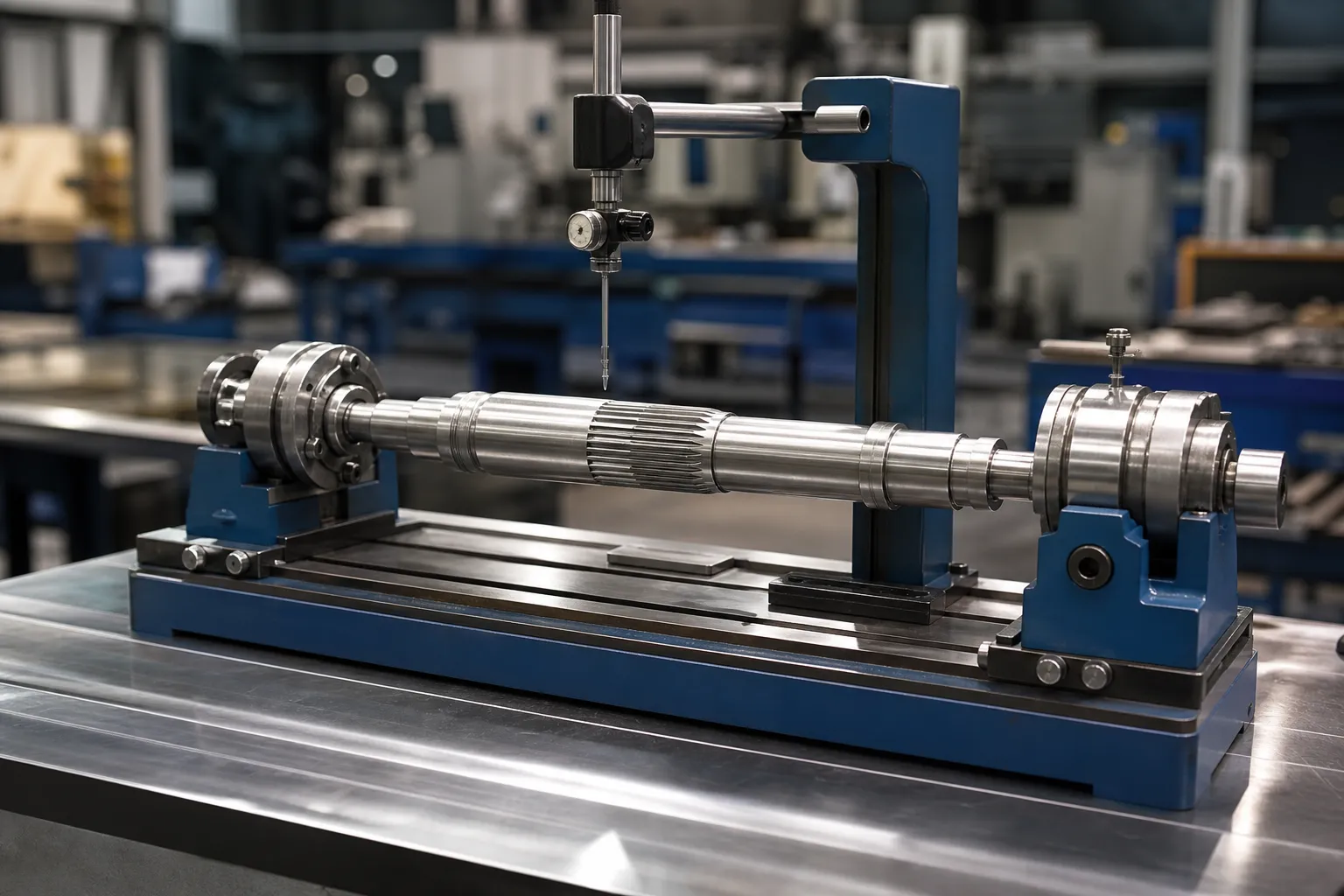
*Ilustracija inženjerskog koncepta. Odobrena metoda mjerenja oslobođenog stanja određuje rezultat o kojem se može izvještavati.*
Dokazi potrebni prije podnošenja zahtjeva
Dajte crtež/reviziju, specifikacija materijala i stanje, istorija proizvodnje, faza termičke obrade, evidencija o prethodnim ispravkama/preradama, ulazna geometrija, površinska ograničenja, prihvaćena metoda mjerenja i reprezentativni uzorci. Koristi ispravljanje nakon termičke obrade razjasniti scenske kontrole i ispitivanje i prihvatanje uzorka ispravljanja planirati suđenja. Onda kontaktirajte StraighteningTech za diskusiju.
Potrebna validacija prije zahtjeva za sistem
Za svaku tvrdnju o materijalnom ponašanju potreban je definiran materijal i obim procesa, kalibrirane reference, reprezentativni termički obrađeni uzorci, i sljedivi mjerni podaci. Generička sposobnost mašine nije potvrđen rezultat za ovu temu.
FAQ
Da li Baušingerov efekat onemogućava ispravljanje prethodno savijenih delova?
br. To čini odgovor historijski zavisnim, a ne fiksnim. Procesi to rješavaju planiranjem korekcija koje rade na svakoj lokaciji pretežno u jednom smjeru, ograničavanje broja ciklusa korekcije po dijelu, i potvrđivanje pravila korekcije na reprezentativnim delovima koji nose istu istoriju kao i proizvodnja.
Zašto pritiskanje savijanja unazad često prelazi prekoračenje?
Zato što se obrnuti hod susreće s materijalom koji popušta pri nižem naprezanju nego što je to bio hod naprijed. Sila ili dubina kalibrirana prema odzivu naprijed prema tome daje preveliku snagu u obrnutom smjeru. Lijek je poseban, manje pravilo korekcije za obrnute poteze, ili bolje, strategija mape grešaka koja izbjegava uzastopno preokretanje iste lokacije.
Može li se postavka korekcije prenijeti na novu partiju materijala nepromijenjena?
Samo sa dokazima. Različite topline mlina mogu nositi različite istorije deformacija i različite uvjete, tako da prve komade svake nove serije treba tretirati kao uzorak za potvrdu: ako ponašanje korekcije odgovara kvalifikovanoj osnovnoj liniji, nastaviti; ako se pomera, prekvalifikovati se pre trčanja. Ovo je standardna praksa za upravljanje varijacijom opruge o kojoj se raspravljalo varijacije povratne snage između serija.
Povezani StraighteningTech Resursi
Vidi kako funkcionira automatsko ispravljanje osovine, ispitivanje i prihvatanje uzorka ispravljanja i ravnost osovine u odnosu na izbacivanje u odnosu na TIR za generičke granice kontrole koje se primjenjuju prije bilo kakvog zahtjeva za sposobnost Baušingerov efekat u ispravljanju.