
إن استقامة الضغط على النقطة هي طريقة تصحيح موضعية يتم التحكم فيها, وليس مجرد الضغط على أي جزء يبدو منحنيًا. يجب أن تربط العملية خريطة هندسية صالحة بمسند معتمد, نقاط الدعم, مسار رد الفعل, مواقع التصحيح المسموح بها, السيطرة المتزايدة وإعادة قياس الحالة المفرج عنها. بدون تلك الحلقة, يمكن لضربة الصحافة إنشاء علامة, نقل معلم مجاور أو تقليل قراءة المؤشر المؤقتة دون تلبية متطلبات القبول الفعلية.
هذا هو إطار العملية. لا تدعي قوة الصحافة StraighteningTech, سكتة دماغية, خوارزمية التحكم, نطاق المواد, دقة, وقت الدورة أو توافق قطعة العمل. تتطلب هذه القيم مراجعة الرسم والعينات التي تم التحقق من صحتها.
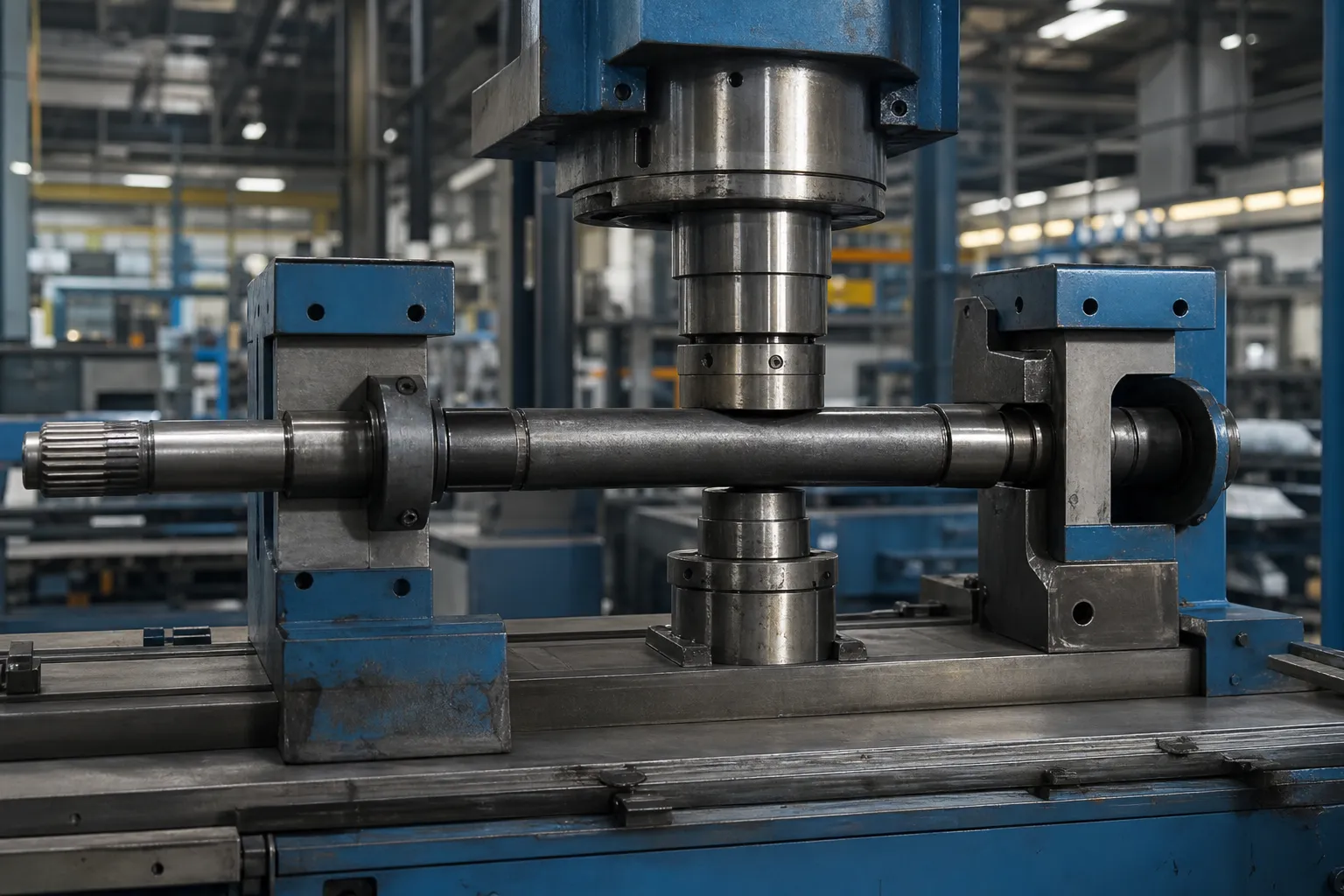
*التوضيح المفهوم الهندسي. يُظهر سياق تصحيح الضغط المحتمل لعائلة محددة من قطع العمل, ليست وصفة عملية عالمية أو قدرة محلية تم التحقق منها.*
حدد ما تقوم العملية بتصحيحه
وقد تكون الخاصية المطلوبة هي الاستقامة على مدى, الجريان الشعاعي نسبة إلى محور الإسناد, الاجتياح الجانبي, علاقة ميزة محلية أو هندسة أخرى يمكن التحكم فيها. ويجب تسميتها قبل تحديد الصحافة. خطأ دائري, انقطاع السطح, لا يمكن تصحيح إشارة التثبيت أو الحدبة المتعمدة كما لو كانت من نفس النوع من الانحناء.
يستخدم استقامة رمح, نفاد و TIR عندما يتم فحص الجزء بالتناوب. أنبوب, حساب تعريفي, ربيع, تتطلب قطع العمل الحلقية والملحومة أشكالًا هندسية وحدود عملية خاصة بها.
بناء خريطة الخطأ الأولية
يجب أن تحدد خطة القياس المسند المعتمد, اتجاه الجزء, محطات محورية, حالة الدعم, طريقة الاستشعار وفحص التكرار/الجلوس. قد تفوت قراءة نقطة المنتصف الواحدة انحناءات متعددة أو تخلط بين ترهل الجاذبية وتباين التركيبات مع هندسة الأجزاء.

*التوضيح المفهوم الهندسي. ويوضح خريطة القياس قبل التصحيح; مواقع المحطات الفعلية, يجب تثبيت المجسات والمسند من الرسم المتحكم فيه.*
| الإدخال للتجميد | القرار الذي يؤيده |
|---|---|
| مسند الرسم وقاعدة القبول | يحدد ما يجب أن يمثله القياس |
| الخريطة الهندسية الأولية | يحدد مناطق تصحيح المرشح ومخاطر التفاعل |
| الدعم المعتمد ونقاط التفاعل | يمنع مسار القوة من إنشاء إشارة غير مقصودة |
| الميزات المحمية وحدود السطح | يحدد الأماكن التي يُحظر فيها الاتصال |
| مرحلة المواد والعملية | يحدد الاستجابة المحتملة, Springback والقيود المصب |
The Mechanics of a Point-Press Stroke
A point-press correction is a three-point bend executed on purpose. Two supports and one press point form a loading frame: the press pushes the section toward the supports, bending moment peaks at the press point and falls toward the supports, and the outer fibers at the correction location pass yield while the core of the section stays elastic. When the force is released, the elastic core tries to spring the section back while the yielded fibers hold their new shape — the permanent set is the difference, and the art of the process is delivering just enough plastic work to land the released part inside tolerance. Three consequences follow directly from this picture. The correction is local: the plastic zone concentrates around the press point, وهذا هو السبب في أن خرائط الأخطاء ترشدك إلى مكان الضغط بدلاً من الحدس. تكون العملية محدودة ذاتيًا فقط إذا تمت معالجتها بشكل تدريجي: لا يمكن إلغاء الضغط على ضربة واحدة بحجم متفائل. والهندسة الخاصة بالقسم هي اختلاف صلابته, انتقالاتها, تاريخ التشوه السابق – يعدل كل شيء, وهذا هو السبب في أن إعدادات السكتة الدماغية المتطابقة لا تنتقل بشكل أعمى بين الأقطار, المواد أو الكثير, ولماذا آثار التحميل العكسي, كما هو موضح ل تأثير بوشينغر, تغيير استجابة الجزء الذي تم تصحيحه بالفعل مرة واحدة.
نطاق الدعم هو معلمة الضبط الأساسية
يصل المشغلون إلى القوة عندما يتعين عليهم الوصول إلى الهندسة. يؤدي تحريك الدعامات إلى تغيير التصحيح قبل لمس أي قيمة قوة: يدعم انتشار واسع يعطي فترة طويلة, gentle bending field — the same press force produces a larger deflection spread over a longer zone, appropriate for a single broad bow; supports close in around the correction point concentrate the same energy into a short, deep correction, appropriate for a local kink but harder on the surface and the section. Span also sets the mechanical advantage of the stroke: the closer the supports, the more force the same correction demands, which is why narrowing the span on a stiff section quickly reaches the machine’s or the part’s limits. Two practical rules fall out. أولاً, choose span from the error map’s wavelength — long bows get long spans, kinks get short ones — and document the choice in the setup record, because span is a process parameter like any other. ثانية, treat support condition as part of the tooling: هندسة الاتصال, cleanliness and wear change the reaction path silently, و surface-protection tooling discipline applies to supports exactly as it does to the press nose.
اختر نقاط الدعم والتصحيح معًا
لا يمكن تحديد نقطة الضغط بشكل مستقل عن دعاماتها. تباعد الدعم, صلابة القسم, اتجاه القوة وهندسة الاتصال ينشئان مسار التفاعل. يمكن أن يؤدي الدعم الخاطئ إلى جعل الصحافة المحلية تبدو فعالة أثناء نقل الخطأ إلى مكان آخر أو إتلاف إحدى الميزات.
قبل تجربة العينة, وثيقة:
- مواقع الدعم والتفاعل, بما في ذلك مناطق عدم الاتصال;
- نقطة التصحيح, اتجاه القوة والتوجيه المسموح به;
- مادة الاتصال, ضوابط النظافة ووضع العلامات على المخاطر;
- الحد الأقصى للتصحيح المتزايد وعدد المحاولات;
- Springback/خطة قياس الإصدار;
- شروط الرفض الصعب والمراجعة الهندسية.
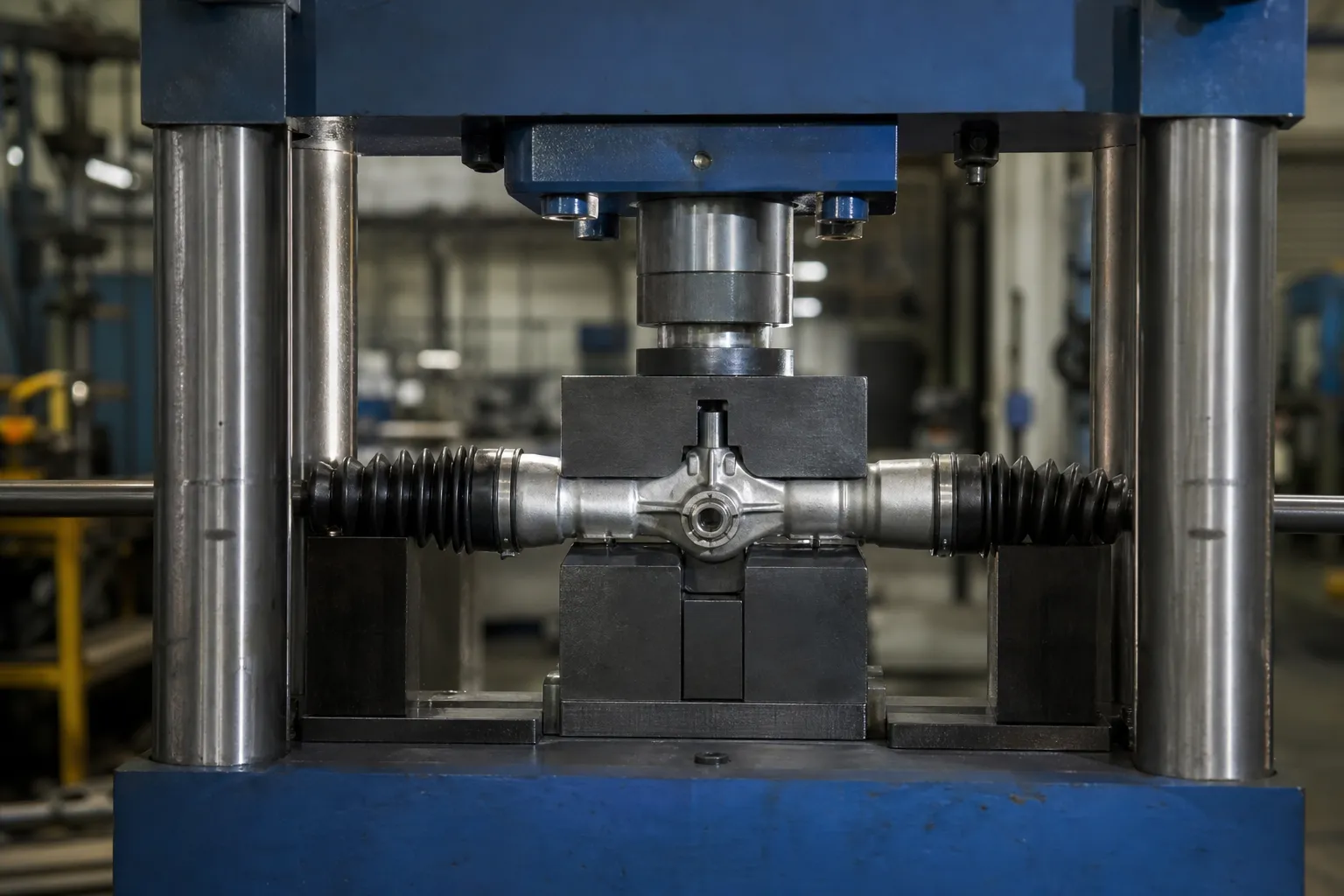
*التوضيح المفهوم الهندسي. ويظهر مفهوم التصحيح المتزايد; لا يصف تحميل الصحافة, سكتة دماغية, الأدوات أو نقطة تصحيح معتمدة لقطعة عمل أخرى.*
قم بالتصحيح بشكل متزايد وإعادة الفحص بعد الإصدار
تسلسل الحلقة المغلقة هو:
- التعرف على عائلة قطعة العمل الخاضعة للرقابة ومراجعة الرسم;
- فحص الضرر, جزء خاطئ, حالة السطح المحظورة أو التشوه خارج النطاق;
- تحميل المسند المعتمد والتحقق من الجلوس;
- قياس الخريطة الهندسية الأولية;
- حدد خطة الدعم والتصحيح المسموح بها;
- تطبيق تصحيح تدريجي داخل حدود اختبار العينة;
- الافراج عن القوة بالكامل, المشابك وضبط النفس;
- إعادة قياس جميع المسارات المطلوبة وتسجيل النتيجة;
- توجيه الجزء إلى موافق, NOK أو المراجعة الهندسية.
القبول النهائي يكون بعد الإصدار. لا يمكن استخدام القراءة أثناء بقاء الجزء تحت قوة الضغط أو ضبط النفس كدليل على النتيجة النهائية.
Springback as a Process Variable, Not a Constant
Because the released shape is set by the competition between yielded fibers and the elastic core, the same stroke delivers different permanent set on parts that differ in material condition, section or prior history. That is springback as a process variable, and treating it as a fixed correction factor is how lines end up oscillating around tolerance. The discipline that handles it honestly is described for تعويض Springback في استقامة العمود: learn the response on representative samples, correct incrementally, and re-learn when the material lot or part revision changes. الفخ ذو الصلة يستحق عقوبته الخاصة: يعد الضغط على جزء يتجاوز الاسمي عن قصد - التجاوز للتعويض المسبق عن الارتداد - أمرًا مشروعًا ضمن وصفة تم التحقق من صحتها وحد محدد, لكن دورات التجاوز والضغط المتكررة المتكررة تؤدي إلى تراكم أضرار التحميل العكسي, والحد الأقصى لمحاولة التصحيح موجود على وجه التحديد لإيقاف هذا التسلسل قبل أن يصبح خطرًا متصدعًا, لكل إطار مراجعة النزاهة.
قراءة البيانات بين السكتات الدماغية
كل ضربة في الحلقة التزايدية هي أيضًا تجربة, والبيانات بين السكتات الدماغية تخبر المشغل متى يجب الاستمرار ومتى يتوقف. يُظهر التقارب السليم تقلص الخطأ المتبقي بمقدار متناقص في كل ضربة - تنخفض الاستجابة لكل ضربة مع اقتراب الجزء من الهدف, وهو التوقيع الطبيعي لتصحيح مستقر. Three patterns break that signature and each demands stopping rather than pressing harder. No progress: the geometry stops responding, meaning the process is no longer engaging the error — the correction point, support condition or part state has changed under the operator. Diminishing returns with rising effort: each stroke moves the part less while the press works harder — the section is fighting back through strain hardening, and continuing trades diminishing geometry gain for accumulating material damage. Oscillation: the part crosses nominal in alternate directions stroke by stroke — the correction rule is over-reacting, often because it was calibrated on a different response, and the fix is the recipe, ليس الجزء. Building these three stop patterns into the operating procedure converts the between-stroke data from noise into the line’s earliest quality alarm.
اعرف متى لا يكون الضغط على النقطة هو الطريق الصحيح
الضغط على النقاط ليس طريقة افتراضية لكل منتج. سلك مستمر, أنبوب رقيق الجدار, ملف تعريف غير متماثل, جرس, ربيع, قد يحتاج الجزء الحرج أو الحساس للحام إلى نهج مختلف, أدوات مخصصة أو مراجعة عملية منفصلة. يرى اضغط مقابل استقامة الأسطوانة لحدود اختيار الطريقة.
اختبار العينة والقبول
يجب أن تتضمن خطة العينة الأجزاء الواردة العادية والأسوأ, الخام قبل/بعد الهندسة, إعادة التكرار, فحص السطح, فحوصات المواد/الميزات المطلوبة, الحد الأقصى للمحاولة والارتباط بالمقياس المرجعي للعميل. إذا الشقوق, صلابة, NDT, الطحن أو الموازنة ذات صلة, تظل مسؤوليات القبول مستقلة.
يستخدم استقامة اختبار العينة والقبول لتحديد الأدلة المطلوبة قبل مطالبة الإنتاج أو قرار FAT/SAT.
التعليمات
يمكن أن يضمن الضغط على النقطة دقة محددة?
لا. النتيجة التي يمكن تحقيقها تعتمد على قطعة العمل, مسند, الحالة المادية, يدعم, مناطق الاتصال, استجابة العينة وطريقة التفتيش المتفق عليها.
تعتبر أعلى نقطة مؤشر دائما هي نقطة التصحيح?
لا. يجب اختيار نقطة التصحيح من الخريطة الهندسية ومسار التفاعل المعتمد, وليس من ملاحظة بصرية أو مؤشرية معزولة.
هل يمكن للمكبس إصلاح الكسر أو استبدال NDT?
لا. لا يؤدي الاستقامة إلى إصلاح عيوب المواد ولا يحل محل عمليات الفحص المؤهلة.
Why does the same press stroke move two identical-looking parts differently?
Because released geometry depends on material condition, section detail and prior deformation, not on appearance. Different lots, heat-treatment states or a previous correction cycle all change the plastic-versus-elastic balance the stroke works against. The remedy is learning the response per family on samples and re-checking it when lots change.
When should supports be moved closer together?
When the error map shows a short, local kink rather than a broad bow. A narrow span concentrates the correction where the error lives; a broad span spreads it. The span choice belongs in the documented setup, because it changes both the correction shape and the force the part must carry.
What does it mean when a part stops responding to corrections?
The process is no longer engaging the error — a no-progress condition. Causes range from a changed correction point to a setup or part-state shift, and the defined response is to stop and route the part to review, not to increase force. Continuing to press spends the part’s deformation budget on nothing.
استقامة قبل مقابل بعد الطحن
لا يتم الاحتفاظ بأي صفحة أساسية مستقلة لها استقامة قبل مقابل بعد الطحن لأن الطلب الصناعي الدقيق ضعيف. تسلسل المرحلة, ينتمي بدل المخزون ونقل البيانات إلى الشريط المزور, نقطة الصحافة وصفحات عملية متعددة النقاط. تأكد مما إذا كان الطحن يزيل المواد التي من شأنها إبطال قراءة الاستقامة السابقة قبل قفل مسار الإنتاج.
منحنيات إزاحة القوة في الاستقامة
صفحة مخصصة ل دليل منحنى قوة الإزاحة لا يتم الحفاظ عليه دون طلب استعلام تم التحقق من صحته. تفسير قوة الضربة, يتم شرح الحدود الآمنة وشروط إيقاف العملية في نقطة الضغط, صفحات متعددة النقاط والكشف عن الكراك. يجب التحقق من صحة أي إنذار قائم على المنحنى على أجزاء تمثيلية بدلاً من نسخه من عائلة مواد أخرى.
Point-press work lives or dies by stroke control – read why over-correction cracks parts before you size a machine, then use the تجول اختيار مستقيم to match press concepts to your part family.