
Ravnost tulca ojnice (podaljšek) neposredno vpliva na koncentričnost in stabilnost delovanja električnih orodij ali montažnih sistemov. Začenši s tehničnimi bolečinskimi točkami, ta članek ponuja poglobljeno analizo ključnih tehnik za ravnanje vitkih rokavov s premerom 6,35 mm in dolžino 200 mm. Raziskujemo nadzor deformacije za ekstremna razmerja med dolžino in premerom, avtomatizirana tehnologija hranjenja v razsutem stanju (poljubna postavitev z avtomatsko orientacijo), in algoritmi za servo natančno ravnanje. S podrobnimi tehničnimi vpogledi in primeri iz resničnega sveta, demonstriramo, kako ta prilagojeni popolnoma samodejni likalnik popolno uravnoteži “visokoučinkovito polnjenje brez osebja” z a “stroga toleranca ravnosti 0,2 mm.”
Kaj je tulec ojnice
Tulec ojnice (pogosto imenovan podaljšek ali držalo nastavkov) se uporablja za razširitev dosega orodij za pritrjevanje, kot so električni izvijači in udarni ključi. En konec je običajno pogonsko steblo (npr., 1/4-palčno šestrobo steblo), in drugi konec je izhodna vtičnica ali držalo nastavkov. Najpogostejši premer je 6,35 mm (1/4 palec). Zasnovan za delovanje v globokih ali ozkih prostorih, njihova dolžina pogosto doseže 200 mm ali več. The engine connecting rod itself is a different workpiece, covered separately in the rešitev za ravnanje ojnic.

Uporaba za ojnico
Pulke ojnic se pogosto uporabljajo pri industrijskem sestavljanju in popravilih avtomobilov za naloge pritrjevanja. Različne aplikacije imajo posebne zahteve:
- Avtomatizirane montažne linije: Zahtevajte izjemno visoko naravnost, da zagotovite, da pnevmatski/električni izvijači ne nihajo med hitrim vrtenjem, preprečite poškodbe vijakov ali površine obdelovanca.
- Operacije globokih lukenj/ozkega prostora: Zahteva visok prenos navora in odlično površinsko odpornost proti obrabi. Toplotna obdelava, ki se uporablja za doseganje teh lastnosti, neizogibno vodi do opaznega popačenja pri obdelavi.
Vsi scenariji imajo stroge zahteve glede naravnosti (koncentričnost) rokava. Upognjena palica, ki se vrti pri visokih hitrostih, bo povzročila močne centrifugalne vibracije, povzroči odklop orodja ali okvaro pritrjevanja. Solid extension bars without a hollow socket follow a related process in the power tool extension bar straightening solution.
Strukturne značilnosti za ojnico
Pulke ojnic imajo naslednje strukturne značilnosti:
- Ekstremno razmerje L/D: S premerom le 6,35 mm in dolžino 200 mm, razmerje med dolžino in premerom presega 31:1, zaradi česar je zelo prožna in lahko deformirana vitka gred.
- Asimetrični konci: En konec je trdno šestrobo steblo, medtem ko je drugi votla vtičnica, daje obdelovancu izrazit videz “polarnost” ali smer.
- Visoka trdota in elastičnost: Naknadna toplotna obdelava, rokav ima visoko mejo tečenja, med postopkom ravnanja kaže znatno elastično vzmetenje.
Ključne značilnosti tulca ojnice
Ključne značilnosti:
- Visoko natančen menjalnik: Naravnost (iztek) po ravnanju je treba strogo nadzorovati znotraj 0,2 mm.
- Torzijska odpornost proti utrujenosti: Material mora ohraniti vrhunske torzijske lastnosti; postopek ravnanja ne more povzročiti površinskih mikrorazpok.
- Masovna proizvodnja: Kot industrijski potrošni material velike količine, čas cikla avtomatizacije na kos mora biti izjemno hiter.
Tehnični parametri tulca ojnice
| Postavka | Obseg parametrov | Opombe |
| Premer obdelovanca | Ø6,35 mm | Standardni 1/4-palčni spec |
| Dolžina obdelovanca | 200mm | Vitka gred, visoko razmerje L/D |
| Začetni ovinek | 0.5mm – 1.5mm | Naravna distorzija po toplotni obdelavi |
| Ciljna naravnost | ≤0,2 mm | Stroga zahteva za preprečevanje nihanja orodja |
| Način nalaganja | Poljubna postavitev, Samodejna orientacija | Osnovna lastnost te opreme po meri |
Zakaj izbrati samodejni postopek ravnanja po meri?

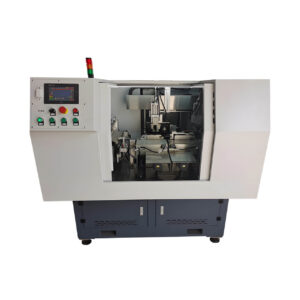
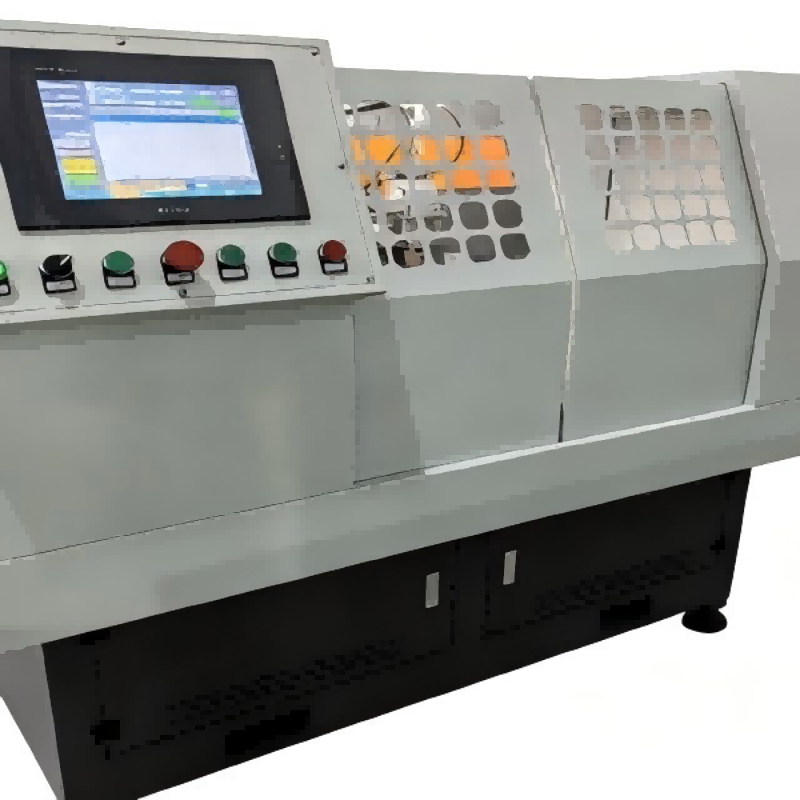

Stroj za ravnanje udarnih izvijačev ZD300
Stroj za ravnanje z udarnim izvijačem ZD300 je servo CNC posebna oprema za množično proizvodnjo, ki povrne ravnost in koaksialnost svedra / držalo orodja z natančno silo za zagotovitev natančnosti in življenjske dobe prenosa navora.
Konvencionalne procesne bolečine
Pri toplotno obdelanih vitkih tulcih ojnic, tradicionalni ročni ali polavtomatski ravnalniki se soočajo z usodnimi izzivi:
| Točka bolečine | Posebna težava | Vpliv |
| Izjemno zamudno nalaganje | Tradicionalni podajalniki zahtevajo, da delavci ročno poravnajo vse dele, obrnjene v isto smer. | Zapravlja ogromne količine dela in drastično upočasni proizvodnjo. |
| Krhke vitke gredi | 6,35 mm palica se zlahka zlomi ali trajno upogne z nenadzorovanim ročnim udarjanjem ali močnimi pritiski. | Visoke stopnje odpadkov in stroški izgubljenega materiala. |
| Neučinkovita inšpekcija | Zanašati se na delavce, da počasi valjajo del na V-blokih z indikatorjem na številčnici, da bi našli najvišjo točko. | Natančnost meritev je odvisna od operaterja; ne more zadovoljiti doslednosti množične proizvodnje. |
Prednosti avtomatskega ravnanja po meri
Obravnava teh bolečinskih točk, naše po meri Popolnoma avtomatski servo ravnalnik točk ponuja revolucionarno rešitev:
| Primerjalna dimenzija | Polsamodejni ravnalnik | Samodejni ravnalnik po meri | Izboljšanje |
| Način nalaganja | Ročna poravnava | Naključno množično nalaganje, Stroj se samodejno orientira | Pravo nakladanje brez posadke, roke popolnoma proste |
| Naravnost | ±0,3 mm | ≤0,2 mm | Dosledno stabilna natančnost, nič nihanja |
| Učinkovitost | 40-60 sekund/kos | 10-15 sekund/kos | Cycle time drops from 40–60 s to 10–15 s per piece |
| Stopnja napak | typical of manual loading | reduced after commissioning | Servo stiskanje na mikronski ravni odpravi zlom |
Temeljne prednosti:
- Pametno prepoznavanje orientacije: Ekskluziven mehanizem za obračanje in razvrščanje. Ne glede na to, kako operater odlaga tulce v lijak, stroj samodejno identificira glavo in rep, so that parts enter the straightening station facing the correct direction.
- Prilagodljivo natančno ravnanje: Uporablja servo gnan baten v kombinaciji s silo zaprte zanke in nadzorom premika za popolno obvladovanje elastične vzmeti 6,35 mm vitke gredi.
Avtomatiziran postopek ravnanja
Ta oprema dokonča nalogo ravnanja 6 popolnoma avtomatizirani koraki, nemoten prehod od odlaganja razsutega tovora k odlaganju kvalificiranih izdelkov. The glavne dejavnosti so Step 02 (Samodejna orientacija) in korak 05 (Servo stiskalnica za ravnanje), ki ne le osvojijo natančnega nadzora delov z visokim razmerjem L/D, ampak tudi prekinejo proizvodno ozko grlo ročnega nalaganja.
Potek postopka popolnega ravnanja tulca ojnice
| Proces | Ime procesa | Jedrni mehanizem | Čas | Natančnost / Tarča |
| 01 | Množično nalaganje & Dvigovanje | Visokozmogljivi stopenjski podajalnik | Neprekinjeno | Omogoča popolnoma naključno postavitev |
| 02 | Samodejno prepoznavanje & Orientacija | ID drže po meri & flip track | 2s | Ensures uniform loading direction |
| 03 | Samodejno hranjenje & Vpenjanje | Pnevmatska roka & rotacijski centri | 2s | Stabilna podpora za palico 6,35 mm |
| 04 | Hitro skeniranje odtekanja | Visoko natančen senzor premika | 3s | Natančno zajame najvišjo točko ovinka |
| 05 | Natančno stiskalno ravnanje | Servo ram sistem | 5-8s | Ravnost ≤0,2 mm |
| 06 | Končno preverjanje & Razkladanje | Žleb za razvrščanje | 1s | Samodejno izolira nekvalificirane dele |
Opis osnovnega procesa
Koraki 1 & 2: Poljubna postavitev & Samodejna orientacija (Osnovna funkcija)
Namen postopka: Odpravite ročno razvrščanje in dosežite popolnoma avtomatizirano, smerno pravilno dovajanje velikih tulcev ojnic.
Ključne točke:
- Upravljavci preprosto odvržejo škatle s tulci neposredno v visokozmogljiv lijak, ne da bi bili pozorni na smer glave ali repa.
- Dvižni mehanizem dovaja dele posamično v razpoznavno tirnico. Uporaba fizičnih razlik v zunanjem premeru in težišču med obema koncema tulca (ali z uporabo optičnih senzorjev), the pametni mehanizem za prepoznavanje samodejno določi položaj obdelovanca.
- Obrnjeni deli padejo v posebej oblikovano obračalno žleb, ki jih obrne, zagotavljanje, da ima vsak kos, ki vstopi v postajo za ravnanje, svoj pogonski del (šestrobo steblo) obrnjena na točno isto fiksno stran.
Koraki 4 & 5: Skeniranje & Servo natančno ravnanje
Namen postopka: Natančno izmerite celoten upogib 200 mm gredi in ga popravite na toleranco 0,2 mm.
Ključne točke:
- Za obdelovanec s premerom samo 6,35 mm, za preprečevanje sekundarne deformacije med vrtenjem se uporabljajo podporni mehanizmi z ultra nizkim trenjem.
- Senzorji skenirajo upogibni profil obdelovanca v realnem času, in nadzorni sistem izračuna zahtevano mikroskopsko povratno deformacijo.
- Servo stiskanje na mikronski ravni: Namesto udarne hidravlične stiskalnice, servo motor deluje zelo počasi, natančno nadzorovan premik. Uporaba a “večstopenjski približek” algoritem, stabilno premaguje elastični vzmet brez poškodb površine, zaklepanje ravnosti strogo znotraj 0,2 mm.
Težave in rešitve pri obdelavi
Težavnost 1: Asimetrični konci, ki povzročajo zastoje pri samodejnem nalaganju
Opis težave: Ojnica ni standardna gladka gred; en konec je večji od drugega. Če vstopijo v ravnalni mehanizem v naključnih smereh, vpenjanje ne bo uspelo, sicer se bodo senzorji zaleteli v obdelovanec.
Rešitve: Prilagodili smo a pametna sortirna steza, ki temelji na gravitacijski ekscentričnosti in omejitvah mehanskega profila. Brez potrebe po kompleksnem robotskem izbiranju vida, čista mehanska iznajdljivost takoj popravi smer, ko del zdrsne navzdol. Je zelo stroškovno učinkovit, izjemno stabilen, in popolnoma odpravi zastoje pri nakladanju.
Težavnost 2: Ekstremna krhkost vitke gredi (31:1 Razmerje L/D)
Opis težave: Obdelovanec s premerom 6,35 mm in dolžino 200 mm je kot dolga palčka. Tudi rahel presežek pritiska navzdol ga bo upognil v a “V” oblika, uničenje dela.
Rešitve: Sistem je vgrajen z Prilagodljiv algoritem za kompenzacijo vzmeti zasnovan posebej za vitke palice. Ovnovo prvo stiskanje uporablja konzervativno silo, da ugotovi pravi koeficient povratne vzmeti te serije materiala. Nato uporablja mikroskopsko natančne korekcijske stiskalnice, popolnoma odpravi nevarnost prepognjenega odpada.
Izdelava ohišja
Ozadje stranke
Znan proizvajalec OEM strojne opreme in pritrdilnih elementov, močno izvaža v Evropo in Ameriko, pogosto uporablja v dodatkih za električna orodja profesionalnega razreda.
Tehnični izzivi
- Stranka je prejela naročilo za milijone ojnic s specifikacijami Ø6,35 mm × L200 mm, zahtevajo strogo ravnost 0,2 mm.
- Njihova stara oprema je od operaterjev zahtevala, da ročno določijo smer vsakega kosa in ga položijo v dovodni žleb. Soočenje z ogromnim volumnom, ročno sortiranje je postalo resno ozko grlo.
- Močno zanašanje na ročno delo je povzročilo strmo upad učinkovitosti med nočnimi izmenami in pogoste okvare opreme, ko so operaterji pomotoma vstavljali dele nazaj.
Rešitve
| Postavka | Parametri/Konfiguracija |
| Ime obdelovanca | Tulec ojnice (Razširitvena vrstica) |
| Specifikacije | Ø6,35 mm × L200 mm |
| Osnovna oprema | Popolnoma samodejni servo ravnalnik s samodejno orientacijo |
| Sistem hranjenja | Visokozmogljivi stopenjski podajalnik + Pametna preklopna steza |
| Natančna tarča | Ravnost ≤ 0,2 mm |
Rezultati izvajanja
- Popolnoma osvobojeno delo: Operaterji so prešli iz “nekako” da preprosto “nakladalci,” samo vsake pol ure je treba v lijak odložiti košaro delov. Zdaj lahko upravlja en operater 5 strojev hkrati.
- Stopnja donosa je skokovito narasla: Zahvaljujoč samodejni orientaciji in servo ravnanju na mikronski ravni, človeške napake (nalaganje nazaj in močno stiskanje) so bili izločeni. The first-pass yield stabilized at a high level (project-reported).
- Natančno zaklenjeno: Fully automated inspection and sorting checked every part moving to the next process against the 0.2 mm straightness limit, bistveno dvignila ugled blagovne znamke na mednarodnem trgu orodij.
pogosta vprašanja
Q1: Kakšna je stopnja uspešnosti avtomatske orientacije poljubne postavitve? Ali bodo kakšni obrnjeni deli zdrsnili skozi?
Zanašanje na naše prilagojene sledi za prepoznavanje fizične meje in težišča, parts are oriented automatically. Tudi če okvarjenega dela s hudimi robovi ali neobičajnimi dimenzijami ni mogoče obrniti, stroj ga bo preusmeril v žleb za odpadke. Obrnjen obdelovanec ne bo nikoli vstopil v območje ravnanja jedra in povzročil zrušitev.
Q2: Ker je obdelovanec tako tanek, zakaj ne bi uporabili prehodnega ravnalnika z več valji?
Medtem ko so večvaljni ravnalniki hitri, tulec ojnice ima šestrobo steblo na enem koncu in votlo vtičnico na drugem. Večvaljni stroji ne morejo obdelati teh neenakih premerov, asimetrični konci. Nadalje, neprekinjeno valjanje lahko popači okroglost stene votle vtičnice. Zato, servo ravnanje stiskalnice (točkovno skeniranje in lokalizirano stiskanje) je edina izvedljiva rešitev.
Q3: Ali lahko ta stroj sprejme ojnice drugih dolžin?
ja. Stroj ima modularno in nastavljivo zasnovo za razmik med senzorji, sredinska razdalja, in izpustne žlebove. S preprosto nastavitvijo mehanskih omejitev in priklicem ustreznega recepta obdelovanca na HMI zaslonu na dotik, zlahka se prilagodi različnim specifikacijam dolžine, od 100 mm in 150 mm do 300 mm.
Once the connecting rod sleeve process questions are answered, dve strani običajno skrajšata ožji izbor: the vodnik za izbiro ravnalnika za gredi, cevi in profili in koliko stane ravnalni stroj.