
Kelurusan pin ejektor secara langsung memberi kesan kepada jangka hayat keseluruhan acuan dan kualiti bahagian acuan suntikan/die-cast. Bermula dari prinsip teknikal, artikel ini menyediakan analisis mendalam tentang perkara teknikal utama dalam meluruskan pin ejektor langsing, termasuk: perbandingan kaedah proses (manual/berbilang gulung lwn. meluruskan titik mendatar), kaedah pengukuran ketepatan tinggi, strategi pengoptimuman parameter proses, dan penyelesaian kepada cabaran pemesinan. Melalui data teknikal terperinci dan an kes pembuatan sebenar daripada pelanggan Switzerland, kami menunjukkan prestasi luar biasa proses pelurus automatik mendatar, membantu anda menyelesaikan kesukaran bahan kerja nisbah panjang-ke-diameter mikro dan melampau.
Apa itu Pin Ejector
Pin Ejector ialah komponen kritikal dalam bidang pembuatan ketepatan seperti acuan suntikan dan acuan tuangan die, terutamanya digunakan untuk mengeluarkan produk acuan dengan lancar dari rongga acuan. Bergantung pada spesifikasi acuan dan keperluan produk, diameter biasa berkisar antara 1mm hingga 20mm, dan panjang dari 50mm hingga 500mm. Keperluan ketepatan terasnya terletak pada sangat tinggi kelurusan dan konsentrik.

Senario Aplikasi Pin Ejector
Pin ejector digunakan terutamanya dalam sistem lontar acuan ketepatan. Bergantung pada lokasi aplikasi tertentu dan struktur acuan, terdapat keperluan yang berbeza:
- Acuan Elektronik Kepersisan: Memerlukan diameter yang sangat halus (cth., bawah 2mm) dan kelurusan ultra tinggi untuk mengelakkan tebukan melalui produk.
- Acuan Die-Casting Bahagian Automotif: Tahan rintangan lenting yang ketara, memerlukan kekerasan permukaan yang tinggi dan ketahanan terhadap lenturan.
- Acuan Suntikan Peranti Perubatan: Memerlukan kemasan permukaan yang sangat tinggi tanpa penjanaan habuk geseran.
Semua senario aplikasi mempunyai keperluan yang ketat untuk kelurusan pin ejektor, kerana pin yang bengkok boleh menyebabkan jamming, berbuka, atau menggaru dinding lubang acuan, mengakibatkan masa henti pengeluaran yang teruk.
Ciri-ciri Struktur
Pin ejector mempunyai ciri-ciri struktur berikut:
- Nisbah Panjang-ke-Diameter Melampau: Panjang selalunya berpuluh-puluh atau bahkan ratusan kali diameter (cth., 2.5diameter mm, 150panjang mm, nisbah L/D sebanyak 60:1).
- Profil Mudah: Biasanya silinder langsing dengan kepala silinder atau berpijak pada satu hujung.
- Keperluan Bahan: Biasanya diperbuat daripada keluli alat kerja panas seperti SKD61 atau H13, menawarkan rintangan suhu tinggi, keliatan, dan rintangan haus.
- Kualiti Permukaan: Permukaan sering dinitrida, memerlukan kekerasan permukaan yang sangat tinggi dan kekasaran yang rendah.
Ciri Utama Pin Ejector
Ciri-ciri Utama:
- Meluruskan Ketepatan Tinggi: Menyokong gred ketepatan yang sangat tinggi bagi kelurusan ≤0.05mm.
- Kawalan Ubah Bentuk Mikro: Melengkapkan ubah bentuk plastik tanpa merosakkan lapisan permukaan yang mengeras.
- Kestabilan Kualiti: Memenuhi keperluan hayat keletihan untuk pengecapan/acuan suntikan berterusan berkelajuan tinggi.
Parameter Teknikal Pin Ejector
| item | Julat Parameter | Nota |
| Spesifikasi Bahan Kerja | Dia 2.5mm, Panjang 150mm | Bahan kerja ultra-langsing biasa |
| Kelurusan Req. | ≤0.05mm | Standard industri yang melampau |
| Kaedah Pemeriksaan | Penguji Konsentrik | Memastikan habisan dipenuhi sepanjang keseluruhan |
| Kekerasan Permukaan | HRC50-60 (Nitrid) | Amat rapuh, terdedah kepada pecah |
| Pengeluaran Eff. | 10-15 detik/keping | Meluruskan mendatar automatik |
Mengapa Meluruskan Titik Mendatar Diutamakan untuk Pin Pancut Langsing
Titik Sakit Proses Konvensional
Apabila pin ejektor menjalani penukul manual tradisional atau pelurus berbilang gulung selepas rawatan haba atau pengisaran tanpa pusat, mereka menghadapi cabaran berikut:
| Titik Sakit | Isu Khusus | Kesan |
| Manual tidak boleh dikawal | Bergantung pada perasaan dan pengalaman pekerja; daya tidak boleh diukur. | Mematikan pin langsing dengan mudah; kadar sekerap yang tinggi, kecekapan yang sangat rendah. |
| Permukaan Kerosakan Berbilang Gulungan | Penggulungan berterusan memusnahkan lapisan nitrid atau mencipta retakan mikro. | Mengurangkan kehidupan keletihan; terdedah kepada pecah semasa operasi acuan. |
| Ketidakstabilan Akhbar Menegak | Bahan kerja berdiameter 2.5mm mengendur kerana beratnya sendiri pada blok V menegak. | Probe ukuran tidak dapat menangkap titik tinggi yang sebenar, membawa kepada salah penilaian. |
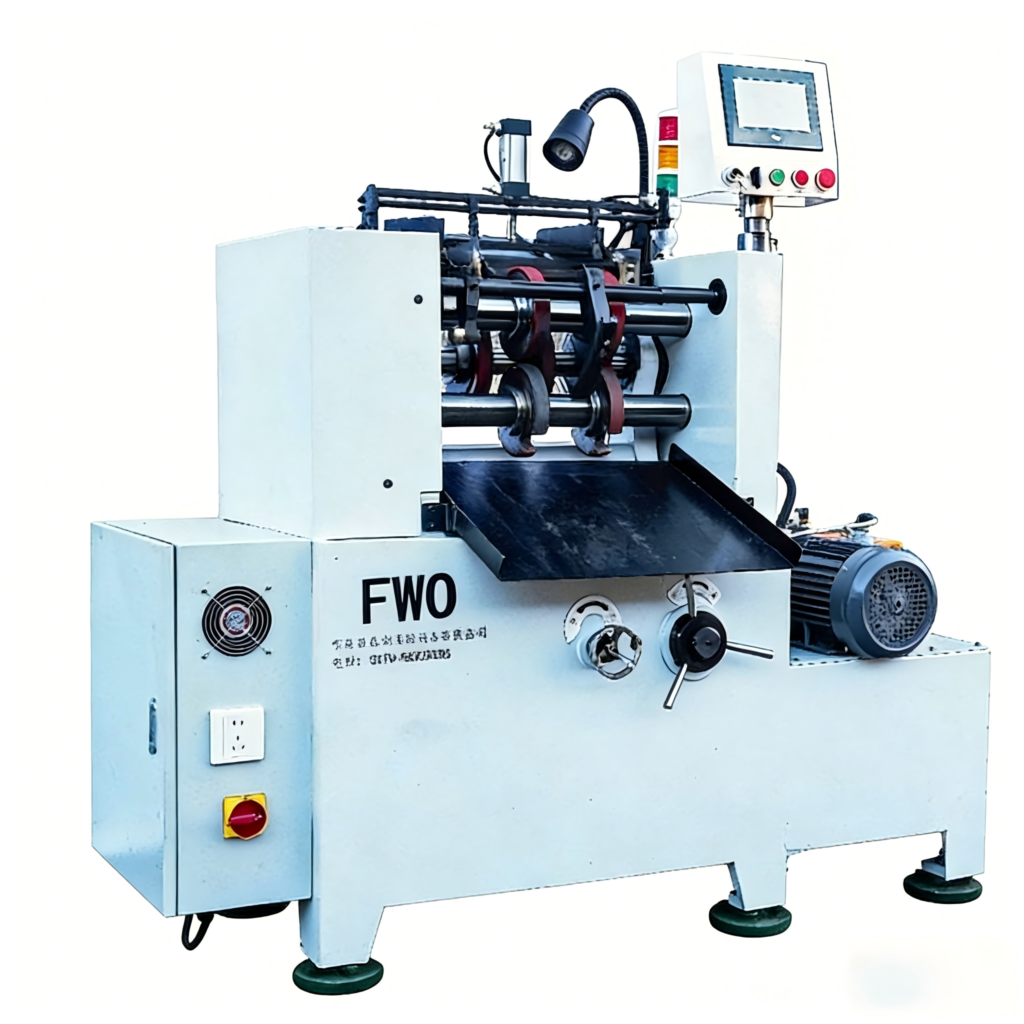
UBJ-175-600 Mesin Meluruskan Berbilang Roller Mendatar
UBJ-175-600 Mesin Meluruskan Multi-roller Mendatar menggunakan pemacu 3 paksi hidraulik dan kedudukan penglihatan, dengan kawalan PLC dan pengesanan lenturan berketepatan tinggi untuk cekap, pelurus logam automatik.
Kelebihan Meluruskan Titik Mendatar
Menangani titik kesakitan di atas, yang Mesin Meluruskan Titik Mendatar menyediakan penyelesaian sistematik revolusioner:
| Dimensi Perbandingan | Meluruskan Manual | Pelurus Titik Mendatar | Penambahbaikan |
| Ketepatan | ~0.15mm | ≤0.05mm | 300% rangsangan ketepatan |
| Kecekapan | 1-2 minit/keping | 10-15 detik/keping | Berlipat kali ganda lebih pantas |
| Kadar Kecacatan | 10-15% (pecah) | <0.5% | Pengurangan yang ketara |
| Pengukuran | Tolok ralat / visual | Kuar tahap tolok ketumpuan | Didigitalkan, menghapuskan kesilapan manusia |
Kelebihan Teras:
- Menghapuskan Gangguan Graviti: Struktur mendatar meletakkan bahan kerja langsing rata, menghapuskan sepenuhnya ralat pengukuran yang disebabkan oleh berat badan kendur dalam tetapan menegak.
- Penekan Servo Tahap Mikron: Menggunakan motor servo berketepatan tinggi untuk memacu ram. Untuk diameter kecil 2.5mm, ia mencapai kawalan strok tahap mikron untuk mengelakkan tekanan yang berlebihan dan patah.
- Pengesanan Konsentrik Gelung Tertutup: Mengintegrasikan logik pengukuran penguji ketumpuan. Ia memutarkan bahan kerja untuk menangkap habisan sebenar sepanjang panjang penuhnya, mengesan titik tinggi secara automatik dan menggunakan pembetulan yang tepat.
Pemesinan Pin Ejector & Proses Meluruskan
Bahagian ini menggariskan 5 proses teras untuk melengkapkan aliran kerja pembuatan pin ejector, daripada pemotongan bahan mentah kepada pemeriksaan produk siap. The proses teras ialah 04 Meluruskan Titik Automatik Mendatar, yang menawarkan lonjakan kuantum dalam hasil dan ketepatan berbanding kaedah manual tradisional.
Aliran Proses Lengkap
| Proses | Nama Proses | peralatan | Masa | Ketepatan |
| 01 | Memotong | Pemotong Ketepatan | 5s | Panjang Tol. ±0.2mm |
| 02 | Rawatan Haba/Nitriding | Relau Vakum | – | Kekerasan HRC50-60 |
| 03 | Pengisaran Tanpa Pusat | Pengisar Tanpa Pusat | 15s | DARI Tol. ±0.005mm |
| 04 | Meluruskan Mendatar | Pelurus Mendatar | 15s | Kelurusan ≤0.05mm |
| 05 | Semakan Kepekatan Akhir | Penguji Konsentrik | 10s | – |
Penerangan Proses Teras: Langkah 4 Meluruskan Titik Automatik Mendatar
Tujuan Proses: Untuk meluruskan dengan tepat pin ejektor langsing yang telah melencong selepas rawatan haba dan mengisar ke dalam kelurusan 0.05mm.
Prinsip Proses: Bahan kerja diletakkan secara mendatar pada penggelek sokongan ketepatan/blok-V. Sistem dipacu servo memutarkan bahan kerja manakala penderia anjakan berketepatan tinggi (meniru penguji konsentrik) imbas habis dalam masa nyata. Sistem kawalan menggunakan algoritma untuk menentukan titik tinggi yang tepat bagi selekoh dan mengira ubah bentuk terbalik kecil yang diperlukan, mengarahkan servo ram untuk melakukan yang lembut “titik ke titik” tekan.
Perkara Utama:
- Menggunakan sokongan mendatar untuk memastikan bahan kerja 2.5mm berada dalam keadaan semula jadi, keadaan bebas tekanan semasa pengukuran.
- Lejang menekan mestilah tepat hingga 0.001mm, kerana ultra nipis, bahan kerja kekerasan tinggi mempunyai zon ubah bentuk plastik yang sangat sempit.
- Petua ram bahan khas digunakan untuk memastikan tiada lekukan tertinggal pada permukaan pin licin semasa menekan.
Piawaian Kualiti:
- Larian jejari (piawaian ujian konsentrisitas) ≤0.05mm merentasi keseluruhan 150mm panjang.
- Sama sekali tiada penghancuran atau calar mekanikal pada permukaan.
Kesukaran dan Penyelesaian Pemesinan
Kesukaran 1: Nisbah L/D Melampau Menjadikan Bahan Kerja Sangat Mudah Pecah
Huraian Masalah:
- Diameter bahan kerja hanya 2.5mm dan panjangnya ialah 150mm, mencipta a 60:1 nisbah.
- Selepas rawatan haba, kerapuhan meningkat. Walaupun daya meluruskan yang sedikit berlebihan akan mematahkan pin dengan serta-merta.
Penyelesaian:
- Ram hidraulik terbengkalai memihak kepada pacuan motor servo tulen, domba jantan terkawal tahap mikron.
- Sistem ini menggunakan algoritma spring-back bahan khusus untuk aci langsing berkekerasan tinggi, menggunakan a “pelbagai tekanan pelarasan mikro” strategi dan bukannya satu akhbar berat.
- Hasilnya: Menghapuskan sepenuhnya risiko pecah, menolak kadar hasil di atas 99.5%.
Kesukaran 2: Pengukuran 0.05mm yang ketat & Kawalan Gelung Tertutup
Huraian Masalah:
- Pelanggan menyatakan a “penguji konsentrik” untuk pengesahan. Ini bermakna mesin pelurus perlu mencapai ketepatan pengukuran gred metrologi; sebaliknya, bahagian yang dianggap boleh diterima oleh mesin akan gagal QC manual pelanggan.
Penyelesaian:
- Membenamkan secara langsung prinsip pengukuran penguji ketumpuan ke dalam pelurus mendatar. Menggunakan sokongan terapung pneumatik, chuck berputar berketepatan tinggi, dan penderia sentuhan sub-mikron.
- Hasilnya: Mencapai perpaduan antara pemesinan dan piawaian pemeriksaan akhir. Nilai habis yang dipaparkan pada skrin mesin sepadan dengan sempurna dengan data dalam makmal ujian bebas pelanggan.
Kes Pembuatan
Latar Belakang Pelanggan
Sebuah syarikat pembuatan kontrak ketepatan yang terletak di Switzerland. Terkenal dengan standard pemesinan yang sangat tinggi, mereka pakar dalam menyediakan perkhidmatan pemesinan komponen ketepatan untuk pembuat acuan Eropah dan pengeluar peranti perubatan terkemuka.
Cabaran Teknikal
- Pelanggan Switzerland menerima pesanan volum daripada pengguna akhir yang memerlukan pin ejektor ketepatan dengan spesifikasi 2.5diameter mm dan panjang 150mm.
- Kriteria penerimaan pengguna akhir adalah sangat ketat: yang ditetapkan penguji konsentrik mesti digunakan untuk pensampelan, dan larian kelurusan mestilah berada di dalam 0.05mm.
- Peralatan sedia ada pelanggan dan juruteknik meluruskan manual tidak dapat mencapai ketepatan ini dengan pasti, meletakkan mereka pada risiko mungkir pesanan.
Penyelesaian
| item | Parameter/Tatarajah |
| Bahan kerja | Pin Ejector Acuan Langsing |
| Spesifikasi | Ø2.5mm × L150mm |
| bahan | Keluli Alat Kerja Panas Kekerasan Tinggi |
| Peralatan Teras | Pelurus Titik Automatik Servo Mendatar |
| Pengukuran | Modul pengesanan konsentrik gelung tertutup terbina dalam |
| Sasaran Ketepatan | ≤0.05mm |
Keputusan Pelaksanaan
- Pesanan Disimpan: Pada hari pertama pengeluarannya, mesin pelurus mendatar kami menghasilkan pin ejektor secara stabil yang memenuhi piawaian ketumpuan 0.05mm dengan sempurna, membantu pelanggan berjaya menghantar kumpulan pertama mereka.
- Hasil Meningkat: Menyelesaikan sepenuhnya titik kesakitan akibat meluruskan manual yang menyentap pin 2.5mm yang rapuh. Kadar kecacatan menurun kepada hampir sifar.
- Peningkatan Automasi: Tidak lagi bergantung pada “rasa” daripada juruteknik kanan; pengendali standard boleh melaksanakan pelurus berketepatan tinggi dengan menekan butang tunggal.
Testimoni Pelanggan
“Ini adalah penyelesaian yang luar biasa! Untuk bahan kerja serapuh 2.5mm, peralatan mendatar anda menunjukkan ketepatan pembedahan. Ia bukan sahaja membantu kami mendapatkan pesanan penting ini tetapi juga memberi kami kelebihan daya saing teras baharu dalam pasaran pembuatan kontrak ketepatan Eropah.” — Pengarah Projek Switzerland
Soalan Lazim Meluruskan Pin Ejector
S1: Mengapakah mesin pelurus menegak tidak disyorkan untuk pin ejektor langsing?
Untuk bahagian aci yang lebih tebal, mesin pelurus menegak adalah pilihan standard. Walau bagaimanapun, untuk bahan kerja dengan diameter 2.5mm dan panjang 150mm, bahagian itu sendiri sangat fleksibel. Apabila diletakkan pada dua blok V dalam mesin menegak, bahan kerja akan mempamerkan sedikit lenturan ke bawah (pesongan) hanya kerana graviti. Sementara minit, pesongan ini cukup untuk mengganggu ukuran ketepatan tinggi 0.05mm, menyebabkan sistem mengukur tidak tepat. Mesin pelurus mendatar meletakkan bahan kerja rata pada platform sokongan, menghapuskan sepenuhnya gangguan graviti.
S2: Bagaimanakah kelurusan 0.05mm disahkan pada mesin?
Pelurus titik mendatar kami dilengkapi dengan sistem pengesan gelung tertutup terbina dalam. Selepas tindakan meluruskan selesai, mekanisme putaran servo mesin memutar pin ejektor 360 darjah manakala penderia anjakan ketepatan tinggi mengimbas trajektori habis pada permukaan bahan kerja. Proses ini dengan sempurna mencerminkan kendiri “penguji konsentrik,” memastikan setiap bahagian adalah layak sebelum ia meninggalkan mesin.
S3: Bolehkah peralatan ini hanya meluruskan pin ejektor 2.5mm?
Tidak. Pelurus titik mendatar adalah sangat fleksibel. Dengan menukar blok/penggelek sokongan V dan memilih resipi bahan yang berbeza dalam sistem, ia serasi ke bawah dengan pin mikro setipis 1.5mm, dan serasi ke atas dengan aci standard 6mm atau lebih tebal. Pelarasan panjang juga sangat mudah.
Ringkasan
Untuk pin ejektor ketepatan dengan spesifikasi diameter 2.5mm dan panjang 150mm, menggunakan Proses Meluruskan Titik Automatik Servo Mendatar boleh mencapai secara stabil ≤0.05mm ketumpuan dan keperluan kelurusan, dengan masa kitaran sekeping hanya 15 detik. Seperti yang dibuktikan oleh kes pelanggan Swiss kami, untuk pengilang kontrak yang menghadapi kesesakan teknikal dengan diameter mikro, nisbah L/D yang melampau, dan bahagian ketepatan ultra-tinggi, penyelesaian ini adalah pilihan terbaik untuk memastikan penghantaran berkualiti tinggi.
Jika anda menghadapi cabaran meluruskan dengan bahan kerja mikro dan langsing yang serupa (seperti pin ejektor ketepatan, wayar panduan perubatan, atau aci motor mikro), atau ingin meningkatkan hasil pengeluaran anda, tolonglah hubungi kami untuk cadangan teknikal terperinci dan perkhidmatan ujian sampel.